Afternoon-tea hosts
If you are putting biscuits alongside tea, choose between the butter-containing shortbread recipes and the wheatmeal-style digestives with your guests’ preferences in mind.


Choose shortbread if you want a biscuit made with butter, or a plain digestive if you prefer a wheatmeal-style biscuit: the named packs differ in their ingredients as well as their serving sizes. For guests with dietary restrictions, check the current pack’s ingredients and precautionary allergen information rather than relying on either biscuit name.
If you are putting biscuits alongside tea, choose between the butter-containing shortbread recipes and the wheatmeal-style digestives with your guests’ preferences in mind.
If a guest has an allergy or avoids an ingredient, compare the exact packs you plan to serve. An ingredient difference between biscuit types is not an allergy assurance.
Start with the biscuit style your guests would welcome, then check ingredients, serving figures and pack format for the products you are considering.
| Priority | What to check | Your needs |
|---|---|---|
| Biscuit style | Walker’s, Tesco and Waitrose list butter in their named shortbread fingers. The checked Waitrose and Sainsbury’s digestives list wheat ingredients and palm oil. Compare the particular recipes rather than assuming every pack is alike. | I’d like a butter-containing shortbread with tea; for a wheatmeal-style biscuit, I’d look at a plain digestive instead. |
| Ingredients and allergens | Read the current ingredients and precautionary statements. The named all-butter shortbreads contain wheat and milk; Waitrose Essential digestives contain wheat and say they may contain milk. | A guest avoids certain ingredients, so I need to check the pack I will actually serve against their requirements. |
| Serving figures | Compare the stated serving sizes or use per-100 g figures for an equal-weight comparison. Waitrose lists 102 kcal and 3.0 g sugars per shortbread finger, and 74 kcal and 3.5 g sugars per Essential digestive. | If I’m comparing what goes on each plate, I want to know what each pack counts as one biscuit. |
| Pack format | Walker’s identifies eight fingers in its 150 g pack; Waitrose identifies ten in its 200 g shortbread pack. Follow the chosen pack’s storage directions after opening. | For a shared tea table, I want enough individual biscuits and a practical way to keep any leftovers. |
The checked digestives differ in their ingredient and precautionary-allergen statements. The biscuit name does not establish suitability for an allergy or imply a digestive benefit.
Choose from the exact pack’s ingredients, allergen statements and nutrition label, not its category name.
Walker’s listed fingers contain butter, while the named Dean’s fingers list both butter and vegetable margarine.
Read the ingredients of the specific shortbread if its recipe matters to your choice.
Recipes and allergen information can change, and a “may contain” statement can matter even when an allergen is not listed as an ingredient.
Check the current packaging before serving and take account of each guest’s stated restrictions.
These references describe named packs, not every biscuit sold under each brand or retailer label.
Its Shortbread Fingers come in a 150 g pack of eight.
Its named Scottish shortbread fingers come in a 125 g pack.
Its All Butter Scottish Shortbread Assortment is a 650 g option for a shared table.
The named options are 200 g shortbread fingers and 400 g Essential digestives.
Its named All Butter Shortbread Fingers come in a 210 g pack.
Its named packs include 400 g plain digestives and 160 g Taste the Difference Scottish Shortbread Fingers.
These options cover a shortbread pack and a digestive variant for an afternoon-tea biscuit choice. Check each current pack before serving it to guests with ingredient restrictions.
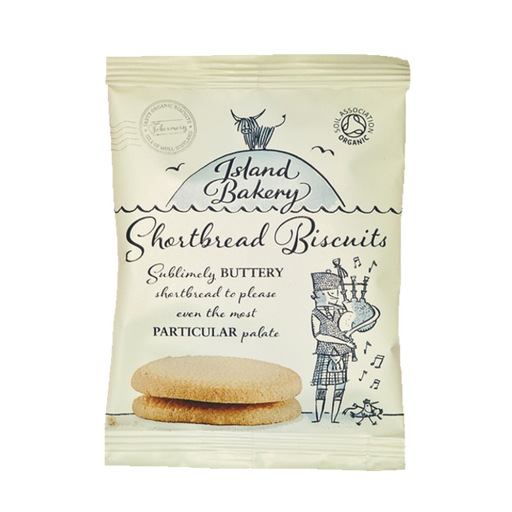 No image available
A 25 g shortbread option for serving with tea. Check the current pack’s ingredients and allergen statements against your guests’ requirements.
 No image available
A 400 g digestive variant for the tea table, rather than the plain digestives compared above. Check the current pack for ingredients, sweeteners and allergen warnings before serving.
The name alone cannot tell you. The named Sainsbury’s digestives are labelled suitable for vegans, while Waitrose Essential digestives say they may contain milk. For a guest with an allergy, check the current pack against their requirements.
Follow the storage directions on the pack you open, rather than assuming shortbread and digestives have identical instructions.
For food prepacked for direct sale in Scotland, Food Standards Scotland says that, since 1 October 2021, the label must show the product name and a full ingredients list with legally required allergens emphasised. That labelling rule does not establish whether a particular biscuit meets a guest’s requirements; check the food and its label before selecting it.