Students filling a shared cupboard
If several people will use the pack, consider its size and whether opened biscuits can be kept in an airtight container. A larger pack is only useful if it suits the household’s tastes and dietary needs.


Choose plain digestives if you want a wheat-based biscuit for a shared cupboard; choose all-butter shortbread if the buttery flavour is the reason for buying it. For either choice, check the exact pack’s allergens, nutrition information, quantity and storage instructions—especially if housemates have different dietary requirements.
If several people will use the pack, consider its size and whether opened biscuits can be kept in an airtight container. A larger pack is only useful if it suits the household’s tastes and dietary needs.
Plain digestives and all-butter shortbread offer different ingredient profiles and flavours. Decide which you want to eat, then compare the nutrition panels of the particular packs you are considering rather than relying on the category name.
Wheat, milk and precautionary nut warnings differ between the cited products. Check each labelled variety before putting it in a cupboard shared with someone who needs to avoid an ingredient.
Consider these: If you want a crisp, wheat-based biscuit for the shared cupboard; Waitrose lists McVitie’s Original Digestives as suitable for vegans.
Bear in mind: A vegan label does not establish that a biscuit is free from wheat or suitable for every allergy.
Consider this: If you specifically want butter-led shortbread to share as a treat.
Bear in mind: The cited Walker’s and M&S all-butter products contain milk and wheat; check each pack for further allergen warnings.
| Priority | What to check | Your needs |
|---|---|---|
| Dietary suitability | Read the ingredients, highlighted allergens and precautionary statements on the exact pack. If avoiding wheat or gluten, look for a specifically labelled product; check other allergens separately. | I need a biscuit that everyone who will eat it can have. A wheat-free shortbread can still contain milk: M&S lists butter in its Made Without Wheat rounds and warns that they are not suitable for people with nut or peanut allergies. |
| Nutrition and portions | Compare similar products per 100g, then use the per-biscuit or per-serving figures to understand portions. Where available, traffic-light labels show fat, saturates, sugars and salt at a glance, as explained by the Food Standards Agency on GOV.UK. | If biscuits will be a regular cupboard item, I want to compare the packs I might actually buy rather than assume every digestive or shortbread has the same recipe. |
| Flavour and ingredients | Check whether the pack is plain, chocolate-covered or all-butter. An all-butter label and a traditional shortbread name are not interchangeable: Dean’s lists vegetable margarine alongside butter in its Traditional Shortbread Fingers. | For a straightforward biscuit to share, I might choose plain digestives; when buttery shortbread is the point of the purchase, I want the particular pack’s ingredients to match that preference. |
| Pack size and storage | Check the pack weight, number of packs and instructions for storage after opening. Plan for an airtight container if the label calls for one. | A twin pack could suit a shared cupboard, while a smaller pack may be easier to finish when I am buying only for myself. |
Recipes and toppings differ, so the category name alone does not tell you the ingredients or nutrition of a particular pack.
Compare the labelled ingredients and per-100g nutrition of the varieties you are deciding between.
M&S Made Without Wheat shortbread contains butter and carries nut and peanut suitability warnings. A label addressing one dietary requirement does not settle the others.
Check the full ingredient list and precautionary wording on the physical pack against each person’s requirements before sharing it.
Several of the cited biscuit packs call for airtight storage after opening. That matters when a shared pack may stay open between visits to the cupboard.
Follow the pack instructions and choose a quantity you expect to use or share.
These are examples of shortbread and digestive ranges to compare; the named products have different ingredients and labelling.
Walker’s sells shortbread fingers and other shortbread formats. Its cited Fingers pack lists 32% butter.
Dean’s makes traditional shortbread fingers, including the cited 125g pack.
M&S lists conventional Scottish all-butter shortbread and a Made Without Wheat variety.
Waitrose lists own-label digestives alongside branded conventional and gluten-free digestives.
Tesco lists a 400g own-label Digestive Biscuits product.
These options cover plain, gluten-free, sugar-free and chocolate digestives for a student cupboard. They do not stand in for the all-butter shortbread route discussed above; compare each biscuit’s exact pack label with the needs of anyone who will share it.
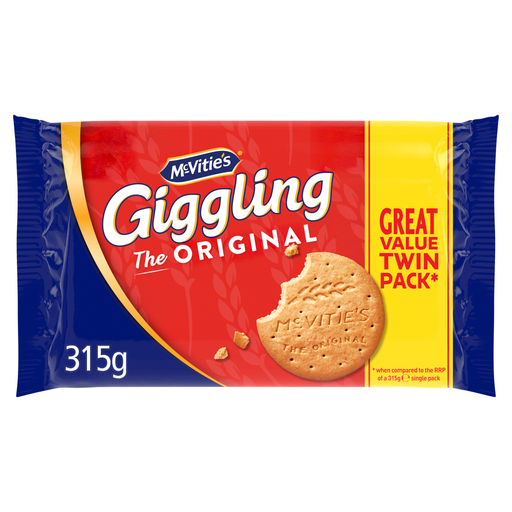 No image available
Two packs of plain digestives offer a format to consider for a shared cupboard. Check the pack’s allergen declaration and follow its storage instructions after opening.
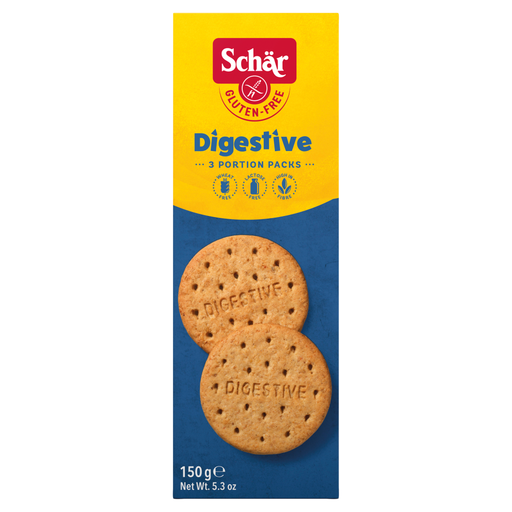 No image available
A labelled gluten-free digestive to consider when conventional wheat-based biscuits do not meet a dietary requirement. Check the physical pack for its complete ingredients and allergen warnings; gluten-free does not answer every allergen question.
 No image available
A 400g sugar-free digestive option for someone seeking that specific labelled variety. Check the ingredients, sweetener information and full nutrition panel rather than assuming the label describes the biscuit’s other nutritional characteristics.
 No image available
Two packs of dark chocolate digestives offer a different flavour choice from plain digestives. Check the chocolate variety’s own allergen and nutrition labels; do not use figures for the plain biscuit as a substitute.
 No image available
A 400g milk chocolate digestive pack to consider if housemates prefer a chocolate variety. Check this product’s ingredients and per-100g nutrition separately from plain and dark chocolate digestives.
The name is not a reason to expect a digestive effect. Waitrose’s Schär Digestive listing explicitly describes “digestive” as a traditional biscuit name, so choose the product by its ingredients, labelling and flavour instead.
Check the exact pack’s ingredient list, highlighted allergens and precautionary warnings against each person’s requirements. Wheat, milk and nut-related warnings differ among the shortbread and digestive examples here; a free-from claim for one ingredient does not resolve the others.
Use the physical pack for the final check before anyone eats the biscuits. The cited Tesco, Waitrose and M&S listings advise checking product labels because recipes or product information can change.
Follow the particular pack’s instructions. The cited products specify cool, dry storage and an airtight container after opening, which is worth arranging before putting a large shared pack in the cupboard.