Tea-break treat seekers
Shortbread offers a butter-based option for a tea or coffee break. Fingers, rounds and assortments also give you different ways to serve it, whether you are having one biscuit or putting out a plate to share.


Choose all-butter shortbread if you want a buttery, crumbly biscuit to serve with tea, particularly in fingers or an assortment for sharing. Choose a plain digestive if you prefer a crisp wheatmeal biscuit; if you need to avoid gluten, look for a product specifically labelled gluten-free rather than relying on the word ‘digestive’. In every case, check the current pack for allergens, nutrition per biscuit and storage directions.
The choice starts with the biscuit you want alongside tea, then any dietary requirements that narrow the options.
Shortbread offers a butter-based option for a tea or coffee break. Fingers, rounds and assortments also give you different ways to serve it, whether you are having one biscuit or putting out a plate to share.
If you prefer a crisp wheatmeal biscuit, compare standard digestives by their ingredients and per-biscuit nutrition. Check the current pack for wheat, milk and any other relevant allergen statements.
Look for a biscuit specifically labelled gluten-free or wheat-free. That label does not settle other dietary questions, so read the full ingredients and allergen information for the exact product.
Decide on the texture and serving format first, then compare the labels of products that meet your dietary needs.
| Priority | What to check | Your needs |
|---|---|---|
| Texture and occasion | Compare butter-based shortbread with a wheatmeal digestive. For guests, check whether the shortbread comes as fingers, rounds or an assortment. | I want a buttery biscuit to put out with tea, or I would rather have the familiar crunch of a digestive from the biscuit tin. |
| Allergens and dietary fit | Read the exact pack’s ingredients, emphasised allergens and any ‘may contain’ statement. If gluten avoidance matters, check for specific gluten-free labelling rather than assuming a biscuit type is suitable. | A biscuit needs to meet my dietary requirements, including any allergens beyond wheat or gluten. |
| Portion and nutrition | Compare per-biscuit values for a tea-break serving and per 100g values across different biscuit sizes. Tesco lists 71kcal and 3.1g fat per biscuit for McVitie’s Original Digestives 360g; Waitrose lists 74kcal and 3.2g fat per biscuit for Essential Digestives 400g. Check the current packs before using those figures to choose. | I want to compare the amount I would actually serve, without assuming that either biscuit category has the same nutrition across every product. |
| Pack format and storage | Choose a pack size you expect to use and follow its storage directions after opening. The M&S shortbread assortment listing specifies cool, dry storage and an airtight container once opened. | If I am buying for several people, an assortment may suit the table; for a smaller tea break, I would check how the remaining biscuits need to be stored. |
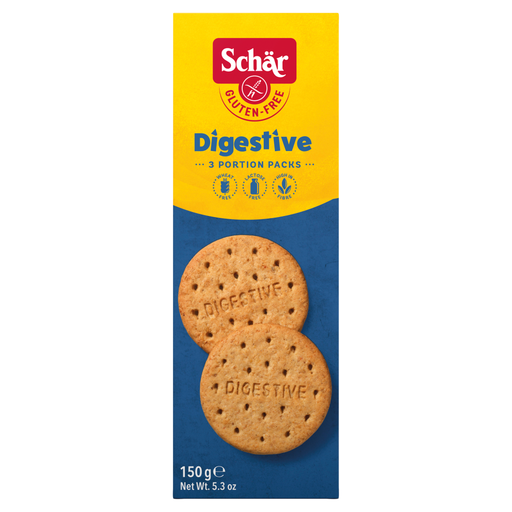
The name describes a traditional biscuit style, not a reason to expect a digestive effect. The Waitrose listing for Schär Gluten Free Digestive makes that distinction explicitly.
Choose by flavour, texture and dietary fit. If nutrition matters to your comparison, use the values on the current pack.
The checked shortbreads list wheat and milk, while the standard digestive examples contain wheat and may contain milk. A gluten-free digestive may still have other allergen statements.
For an allergy or intolerance, read the exact product’s current ingredients and precautionary statements rather than relying on its category or a shop filter.
A larger pack does not tell you the nutrition of one biscuit, and biscuits of different sizes are not directly comparable on a per-biscuit basis alone.
Use per-biscuit figures for the serving you have in mind and per 100g figures to compare products across formats. Where shown, traffic-light labelling offers another way to view the labelled values.
Ingredients and allergen information can change, so a listing may differ from the pack you receive.
Before buying or serving biscuits for someone with a dietary requirement, read the label on the physical pack.
These examples show how recipes, formats and dietary labels vary; check the individual product rather than treating a brand’s whole range as one recipe.
Its Petticoat Tails are a traditional shortbread format for serving with tea.
Its all-butter fingers offer a familiar shortbread shape for a biscuit plate.
Its shortbread range includes a 650g all-butter Scottish assortment for a larger serving occasion.
Its listings include Essential Digestives and a Schär product labelled gluten-free and wheat-free.
Its checked listing is for McVitie’s Original Digestives 360g, a standard digestive option.
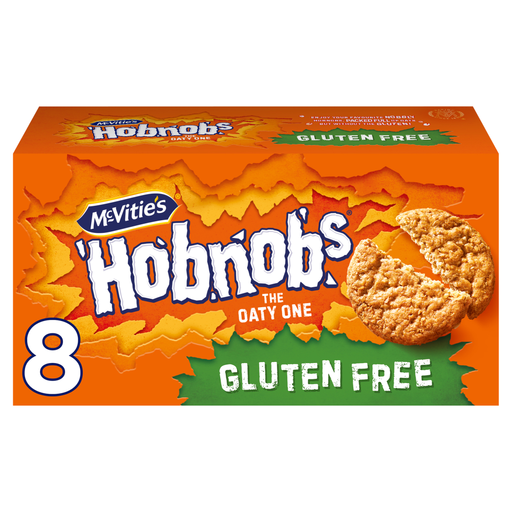
These options cover a gluten-free digestive, two other digestive or oat-biscuit choices, and a small shortbread pack. Hobnobs are oat biscuits, not shortbread or digestives, so compare them as a separate tea-break option.
 No image available
A digestive option labelled gluten-free for a tea break. Read the current pack for its full ingredients and other allergen statements; ‘digestive’ does not describe a digestive benefit.
 No image available
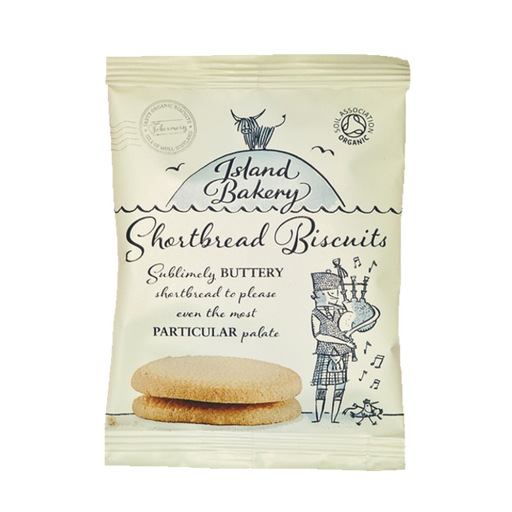
A 25g shortbread option if you want a small pack with tea rather than a larger assortment. Check its current ingredients and allergen information before serving.
 No image available
A 400g digestive pack with ‘Sugar Free’ in the product name. Compare the current nutrition and ingredients label with other digestives, including its sweeteners and any consumption notice; check the allergen statements too.
 No image available
A gluten-free oat-biscuit alternative for tea, rather than a shortbread or digestive. Check the current pack for the complete ingredients and allergen statements.
Do not infer a digestive benefit from the name. The Waitrose listing for Schär Gluten Free Digestive says ‘digestive’ is a traditional British biscuit name, not a claim that it aids digestion. Choose according to the biscuit’s taste, ingredients and dietary fit.
Do not assume it is. The checked Walker’s, Dean’s and M&S shortbreads contain wheat and milk; Walker’s also lists possible nut cross-contact for its Petticoat Tails. Read the current label of the exact product, including any ‘may contain’ statement.
A standard digestive containing wheat flour is not a gluten-free choice. Tesco labels the checked McVitie’s Original Digestives suitable for vegans, but that does not establish the status of other digestives or settle every allergen requirement. If gluten avoidance is needed, choose a specifically labelled product and check its full pack label.
Check per-biscuit figures for the serving you are considering and per 100g figures when biscuit sizes differ. GOV.UK guidance describes traffic-light labelling as a way to compare labelled nutrition at a glance where it is provided; read the current pack for the values of the products you are choosing between.
Follow the directions on the individual pack. For example, the checked M&S shortbread assortment specifies a cool, dry place and an airtight container after opening. Check the date and storage instructions on the pack you buy.