For a large family shop, compare sugars per 100g to judge the recipe, then check the sugar and energy in the number of biscuits people are likely to eat. A sweetener-based shortcake-style biscuit offers a different option if a much lower stated sugar figure matters most, but its ingredients, energy and serving size still need checking; a smaller portion does not make an ordinary shortbread recipe lower in sugar.
Who is this choice for?
Families comparing biscuit recipes
If several people will share the biscuits, compare the exact packs’ sugars per 100g before deciding how many to buy. Sweetener-based shortcake-style biscuits and ordinary all-butter shortbread have different ingredient lists, so the sugar figure is not the only distinction.
Households planning shared portions
A stated per-biscuit figure helps you work out a serving, while the per-100g figure lets you compare recipes on the same weight basis. Separate bags may make dividing snacks convenient, but they do not change the recipe.
Shoppers checking ingredients and allergens
Check the physical pack for each person who will eat the biscuits. The products described by Sainsbury’s, Walker’s Shortbread and Marks & Spencer contain wheat and milk; Farmhouse Biscuits lists wheat and oats for its Viennese Shorties. Precautionary allergen wording can differ between products.
What should you compare?
Start with the recipe and its per-100g label, then work out a realistic serving and a pack quantity that suits the household.
Sweetener-based shortcake-style biscuits
Consider when: A very low stated sugar figure matters more than choosing a traditional all-butter shortbread recipe. Farmhouse Biscuits lists 0.2g sugars per 100g for its Sugar Free Viennese Shorties.
Bear in mind: The same Farmhouse Biscuits label lists 491kcal per 100g and maltitol, with a warning that excessive consumption may cause laxative effects.
Ordinary all-butter shortbread
Consider when: The household wants all-butter shortbread and you can choose servings using the exact pack’s label.
Bear in mind: The checked recipes have different sugar figures. Sainsbury’s lists 14.8g per 100g for its Highland fingers, Waitrose lists 14.9g for its fingers, Walker’s Shortbread lists 16.2g and Marks & Spencer lists 17.0g for their respective fingers. These figures do not establish a reduced-sugar claim for any pack.
| Priority | What to check | Your needs |
|---|
| Recipe sugar | Compare sugars in g per 100g for the exact packs. Read the sweetener and ingredient list if considering a sugar-free alternative. | I want to compare recipes on the same weight basis, rather than assume that a smaller biscuit or a sugar-free name tells me everything about the product. |
| Serving size | Check the biscuit weight, stated sugars and energy per serving, and how many biscuits are likely to be eaten at once. | A per-biscuit figure is useful for planning a snack, but I also need to know what several biscuits add up to. |
| Pack quantity | Compare net weight and stated servings. Decide whether a shared pack or separate bags fits how the household will divide the biscuits. | There should be enough for our planned use without choosing a larger quantity solely because it comes in one pack. |
| Ingredients and storage | Read ingredients, allergen and precautionary statements on the physical pack. Follow its directions after opening. | Everyone sharing the biscuits needs a suitable recipe, and an opened pack needs to be stored as its label directs. |
Common buying mistakes
-
Calling a pack ‘reduced sugar’ after comparing two labels
A lower sugars-per-100g figure in one selected pack describes that comparison; it does not establish a regulated claim for the product.
Use the exact figures to compare the packs you are considering, without treating either ordinary shortbread as a verified reduced-sugar product.
-
Equating sugar-free with lower energy
Farmhouse Biscuits lists 0.2g sugars and 491kcal per 100g for its Sugar Free Viennese Shorties. Its label also warns that excessive consumption may cause laxative effects.
Read the full nutrition and ingredient panel, and compare the serving you expect to eat.
-
Choosing a pack format without checking the recipe
Separate bags can help divide biscuits, while a larger pack changes the quantity available. Neither format changes that product’s sugars per 100g.
Choose the format for your planned use, then check the exact pack’s nutrition, allergens and storage directions.
Brand and product-line references
These examples refer to particular labelled products or formats, not every shortbread made by each brand.
Walker’s Shortbread
Traditional fingers and a separate mini-shortbread multipack offer different ways to serve a household.
- Walker’s Shortbread lists 12 fingers, 32% butter and 16.2g sugars per 100g for its 250g fingers. Waitrose lists the mini multipack as six 25g bags.
- The figures for the 250g fingers do not describe the mini bags or establish that either product is reduced sugar.
Dean’s
Its Traditional Shortbread Fingers provide an example of a recipe containing both butter and vegetable margarine.
- Dean’s of Huntly lists 17.1g sugars per 100g for the 125g Traditional Fingers.
- That nutrition figure applies to this pack, not the entire Dean’s range.
M&S
Its Scottish All Butter Shortbread Fingers are one option for comparing an all-butter recipe by label.
- Marks & Spencer lists 34% butter and 17.0g sugars per 100g for the 210g fingers.
- M&S advises checking the pack as product details can change; other formats need their own labels checked.
Waitrose
Its Shortbread Fingers label gives both per-100g and per-biscuit sugar figures.
- Waitrose & Partners lists 14.9g sugars per 100g and 3.0g per finger for the 200g, 10-finger pack.
- Waitrose says recipes change, so check the pack rather than applying these figures to its whole range.
Tesco
Tesco Shorties and the separately listed Paterson’s selection illustrate why pack size and recipe need separate checks.
- Tesco lists 20.7g sugars per 100g for its 300g Shorties and lists a 1kg Paterson’s shortbread selection.
- Shorties contain palm oil, oatmeal and invert sugar syrup; their nutrition figures cannot be applied to the Paterson’s selection.
Sainsbury’s
Its Highland All Butter Fingers have a labelled serving count for planning shared portions.
- Sainsbury’s lists 10 servings, 14.8g sugars per 100g and 3.0g per finger for the 200g pack.
- Sainsbury’s says this product is unsuitable for customers with a nut or oat allergy because of manufacturing methods, and advises checking current pack details.
Farmhouse Biscuits
Its Sugar Free Viennese Shorties are a sweetener-based shortcake-style alternative, rather than an established like-for-like all-butter shortbread.
- Farmhouse Biscuits lists 0.2g sugars per 100g and maltitol in this product.
- The same label lists 491kcal per 100g and warns that excessive consumption may cause laxative effects.
Joybuy product options
For this family-shop comparison, these options are a 120g butter biscuit gift box and a 25g shortbread pack. Check each product’s nutrition label before choosing it for a lower-sugar preference.
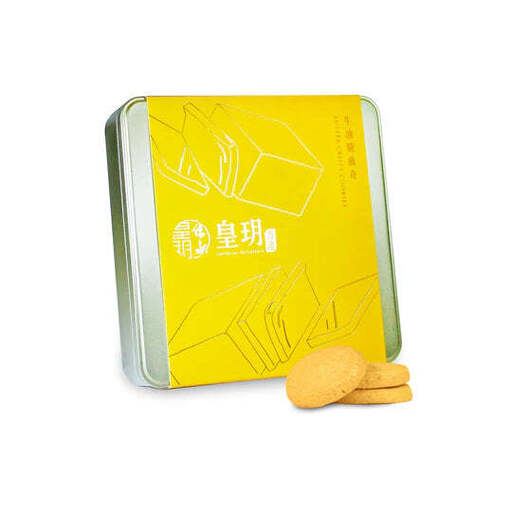 Image unavailable
Imperial Patisserie Butter Crispy Cookies Gift Box 120g
This 120g butter biscuit gift box is an option when biscuits will be shared; check its sugars per 100g and pack quantity against the household’s planned servings. It is described as crispy cookies, not traditional shortbread.
View on Joybuy
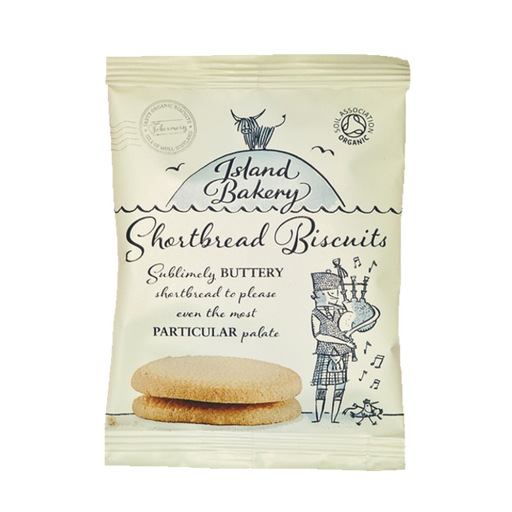 Image unavailable
Island Bakery Organic Shortbread 25g
The 25g pack is a small shortbread option. For a large family shop, consider how many packs the household would use and compare the exact nutrition label with other recipes.
View on Joybuy
Questions about buying and sharing
Does ‘sugar free’ mean a biscuit has little energy?
No. Farmhouse Biscuits lists 491kcal and 67.6g carbohydrate per 100g for its Sugar Free Viennese Shorties, alongside 0.2g sugars per 100g. Compare the full nutrition panel and the amount you expect to eat, not just the sugar description.
What should I check before sharing shortbread with someone who has a food allergy?
Check the physical pack’s ingredients and precautionary allergen statements for the exact product. The ordinary fingers described by Sainsbury’s, Walker’s Shortbread and Marks & Spencer list wheat and milk, while Farmhouse Biscuits lists wheat and oats for its Viennese Shorties and warns of possible traces of other allergens. Recipes and manufacturing cautions differ.
How should I store a larger pack after opening?
Follow that pack’s directions. Sainsbury’s advises keeping its Highland All Butter Fingers in a cool, dry place and transferring them to an airtight container once opened; Walker’s Shortbread advises a cool, dry place for its 250g fingers.


