Hosts serving tea on several days
Separate portions can be handed out without opening one sharing pack for every occasion. Check the number of sealed inner packs if some biscuits are also going into lunchboxes.


Choose separately wrapped portions if biscuits will be handed out over several tea breaks or packed in lunchboxes; for one shared tea, a plain pack is simpler to plate, while an assortment offers different styles. Compare sealed pack count with biscuit count, and check ingredients for each guest. Age alone does not determine whether shortbread is suitable to swallow: Kent Community Health NHS Foundation Trust identifies dry biscuits as a concern for people with dysphagia and advises following individual guidance.
The useful pack format depends on whether you are serving everyone together, setting portions aside or accommodating a particular guest.
Separate portions can be handed out without opening one sharing pack for every occasion. Check the number of sealed inner packs if some biscuits are also going into lunchboxes.
A pack of plain fingers can be plated together; an assortment gives guests a choice of styles. Count the portions you intend to serve and check ingredients across the selection.
Check the exact pack for allergens. If a guest has dysphagia, follow their individual swallowing advice before offering a dry, crumbly biscuit, as Kent Community Health NHS Foundation Trust advises.
Decide how the biscuits will be served, then compare actual portions, ingredients and the information given for each serving.
| Priority | What to check | Your needs |
|---|---|---|
| Usable portions | Count sealed inner packs separately from biscuits. Walker’s Shortbread specifies 24 wrapped twin packs of 40 g; Waitrose lists ten fingers in its sharing pack. | I’m serving several people or spreading tea breaks over a few days, so the number of portions matters more than the outer pack alone. |
| Serving format | Check whether each serving stays wrapped until needed. For a shared assortment, check which styles it contains; M&S lists rounds, fingers and chocolate-chunk pieces. | For lunchboxes, I want separate packs. At one tea table, I may prefer biscuits to plate together or a choice of styles. |
| Ingredients and texture | Read the current ingredients and allergen statements for the exact pack. For a guest with dysphagia, follow their individual swallowing advice rather than assuming a smaller biscuit is suitable; Kent Community Health NHS Foundation Trust flags dry biscuits as a concern. | A guest may need an ingredient avoided or may have advice about which textures they can manage. I need to check before serving. |
| Nutrition per serving | Compare the same measure on each label, such as per biscuit or per 100 g. Tesco lists 92 kcal and 2.4 g sugars per 18 g finger; Waitrose lists 102 kcal per finger. | I want to know what the portion I actually serve contains, rather than judging it by the weight of the whole pack. |
Walker’s Shortbread describes wrapped twin packs, whereas the examined Waitrose and Tesco finger packs do not establish separate wrapping.
Check the number of sealed inner packs, not just the biscuit count, if you need portions for separate days or lunchboxes.
An opened sharing pack also needs storage after serving; follow the directions on its label.
Ingredients vary between packs. Kent Community Health NHS Foundation Trust also identifies dry biscuits among textures that can be difficult for someone with dysphagia.
Ask about each guest’s needs, check the exact allergen label and follow individual swallowing advice where applicable.
Dean’s lists wrapped foodservice portions separately from its all-butter retail fingers. Its examined single-finger and twin-round cases were marked unavailable on Dean’s site.
Check the exact variant’s ingredients, case size and ordering status before planning servings around it.
These examples illustrate different serving formats; a brand name alone does not establish wrapping, ingredients or suitability for a particular guest.
Its display box is a separate-serving option: Walker’s specifies 24 film-wrapped twin packs of 40 g.
The examined foodservice formats include individually wrapped single fingers and twin-round packs.
The examined Scottish shortbread selection contains rounds, fingers and chocolate-chunk pieces for a shared table.
The examined plain all-butter finger pack contains ten biscuits for sharing.
The examined 210 g all-butter finger pack is a plain sharing-pack option.
The examined 200 g Highland all-butter finger pack lists ten servings.
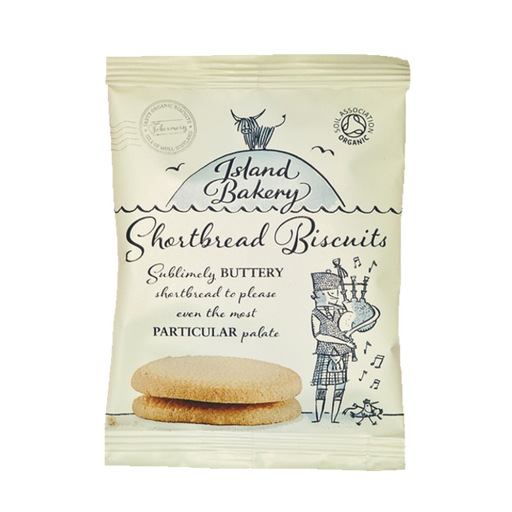
This 25 g shortbread option is relevant when you are counting individual portions. If you need sealed servings for several guests or lunchboxes, confirm the packaging format before choosing how many to order.
 No image available
The stated 25 g pack size can help you count portions for a tea gathering. Check whether the packaging provides the separate sealed servings you need, and read the current ingredient and allergen label before serving guests.
Size alone does not establish that it is suitable. Kent Community Health NHS Foundation Trust identifies dry biscuits among foods that can be difficult for people with dysphagia and advises following the person’s speech and language therapist’s guidance on texture.
No. “All-butter” describes the recipe, not its allergen suitability. Check the exact pack’s current ingredients and precautionary statements; the examined M&S assortment states that it is unsuitable for people with a nut allergy.
Follow that pack’s storage directions and check its date. Tesco advises keeping its examined shortbread fingers in an airtight container after opening; directions can differ between products.
Compare the case’s sealed-pack count with the portions you expect to use. Dean’s describes approximately 80 single-finger packs or 60 twin-round packs in the examined cases, both of which it marked unavailable on its site.
Read the date and storage directions on the pack you receive. A product listing cannot tell you the best-before date of that individual pack.