Biscuit eaters managing diabetes
If you want an occasional shortbread or digestive, compare the carbohydrate in the portion you would eat rather than treating either biscuit type as approved for diabetes.


Neither shortbread nor digestives are automatically suitable for everyone with diabetes. Compare total carbohydrate in the portion you intend to eat, then consider sugars, saturated fat and advice from your diabetes team; a lower-sugar claim does not establish a lower-carbohydrate choice. Biscuit sizes and recipes differ, so check the current pack rather than choosing by type alone.
If you want an occasional shortbread or digestive, compare the carbohydrate in the portion you would eat rather than treating either biscuit type as approved for diabetes.
Use the exact pack’s serving information to plan a portion. For individual questions about adjusting insulin to carbohydrate intake, Diabetes UK advises speaking with your healthcare team.
If you are choosing between plain shortbread and digestives, weigh portion size and total carbohydrate alongside sugars, saturated fat and ingredients.
Start with the amount you would actually eat: a smaller biscuit and a different recipe can both change a per-biscuit comparison.
| Priority | What to check | Your needs |
|---|---|---|
| Carbohydrate per portion | Read total carbohydrate per biscuit and the stated biscuit weight. If comparing different sizes, use each pack’s per-100g figure for a like-sized portion. | I want to plan the amount I will eat, rather than assume a digestive or shortbread has less carbohydrate. Waitrose & Partners lists 10.0 g per Essential Digestive biscuit and 12.2 g per shortbread finger; those servings are different sizes. |
| Sugars and claims | Read “of which sugars” alongside total carbohydrate for the same serving. Check serving size and ingredients on biscuits described as reduced-sugar or containing sweeteners. | A lower-sugar description alone does not answer my carbohydrate question. Diabetes UK advises individual guidance for people adjusting insulin when polyols are involved. |
| Saturated fat | Compare saturated fat for the number of biscuits you intend to eat, not just the per-100g figure. | I want to consider more than carbohydrate when choosing a portion. Tesco lists 2.8 g saturated fat per 18 g shortbread finger; Sainsbury’s lists 3.7 g per Highland shortbread finger. |
| Ingredients and allergens | Read the purchased pack’s ingredient and allergen information, particularly if you have an allergy. Check it again when buying a different recipe or pack. | If an ingredient matters to me, the actual pack needs to work for my requirements as well as my planned portion. |
Waitrose & Partners lists 3.5 g sugars and 10.0 g total carbohydrate per Essential Digestive biscuit. The figures answer different questions.
For carbohydrate planning, read total carbohydrate for the portion you intend to eat, alongside sugars.
Per-biscuit figures describe particular recipes and serving sizes. They do not establish a conclusion for every shortbread or digestive.
Compare the exact packs on the same portion basis, including carbohydrate and saturated fat.
Walker's Shortbread lists 59.5 g carbohydrate per 100 g for its 160 g shapes assortment, while a similarly named Joybuy 160 g assortment lists 62 g per 100 g.
Use the nutrition information for the precise product you purchase rather than transferring figures between listings.
These figures describe the named products, not every biscuit made or sold by each brand or retailer.
Scottish shortbread in fingers and mixed shapes, including a 160 g shapes assortment.
Traditional shortbread fingers, including a 125 g pack.
Mini shortbread fingers offer another portion format to compare with standard fingers.
Its named plain digestive and shortbread finger provide examples of the two biscuit types.
Own-label all-butter shortbread fingers with nutrition information for an 18 g finger.
Own-label Highland all-butter shortbread fingers with per-biscuit nutrition information.
This shortbread option is relevant if you prefer shortbread and want to check a 25 g product against the portion you plan to eat. The choice between shortbread and digestives still depends on the exact packs you compare.
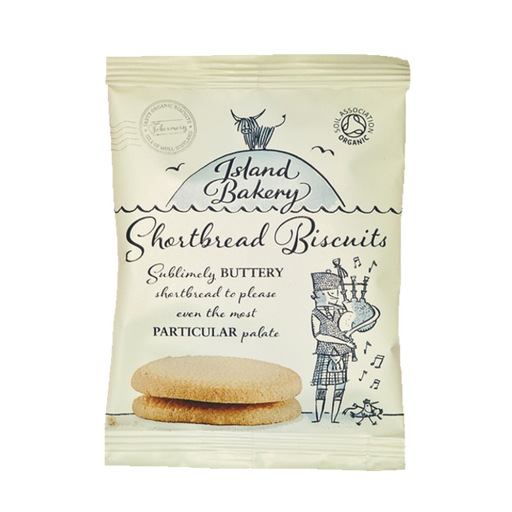 No image available
If you are considering a shortbread portion, use this product’s 25 g size to check the purchased pack’s total carbohydrate and saturated fat figures for the amount you intend to eat.
Do not use that wording as a suitability test. Diabetes UK says it does not recommend snacks labelled “diabetic”; compare the portion and nutrition label instead, alongside individual advice where needed.
Follow the instructions on the purchased pack. Waitrose & Partners says its Essential Digestive Biscuits should be kept in an airtight container once opened.
Check the purchased pack’s ingredient and allergen information before choosing a biscuit if you have an allergy. UK government food-labelling guidance identifies ingredients, including allergens, as information to look for on food labels.