Classic all-butter shortbread is an option for guests who want that style of biscuit and can eat wheat and milk. When gluten must be avoided, choose explicitly labelled gluten-free shortbread, but check its milk ingredients and nut warnings separately. A digestive biscuit is a different option, not a remedy for digestive symptoms: compare the exact pack’s ingredients and nutrition, and keep allergen information available when serving.
Who is choosing?
Festival hosts serving mixed diets
Keep the identity and ingredient information for each biscuit available after opening the packs. If gluten-free and wheat-containing biscuits are offered together, use separate, clean serving arrangements where cross-contact matters.
Guests avoiding gluten or milk
Check the exact biscuit rather than relying on its category name. Walker’s and M&S gluten-free shortbread examples both list butter (milk), so gluten-free does not also mean milk-free.
Guests comparing biscuits for digestive comfort
Compare ingredient and nutrition labels with ingredients they already know they need to consider. The word “digestive” and a fibre figure do not establish how an individual will feel after eating a biscuit.
What should you check?
Classic shortbread
Consider it: For guests who want an all-butter shortbread and can eat wheat and milk.
Bear in mind: The classic Walker’s, Dean’s and retailer examples listed here contain wheat flour and butter (milk).
Gluten-free shortbread
Consider it: For a guest avoiding gluten, choose a product explicitly labelled gluten-free and retain its pack details.
Bear in mind: Walker’s gluten-free rounds list milk and a may-contain-nuts warning; M&S Made Without Wheat rounds list milk and say they are unsuitable for people with nut or peanut allergy.
Digestive biscuits
Consider them: If a guest prefers this biscuit style or wants to compare the labelled ingredients and nutrition of particular products.
Bear in mind: McVitie’s Original Digestives contain wheat, and the name makes no promise about relief from digestive symptoms.
| Priority |
What to check |
Your needs |
| Gluten and serving |
Check for an explicit gluten-free label when required. Keep gluten-free biscuits apart from wheat-containing biscuits and use clean, separate serving utensils. |
I need a guest avoiding gluten to be able to identify their biscuit and take it without contact with the wheat-containing ones. |
| Milk and other allergens |
Read the exact pack’s ingredients and precautionary warnings. Walker’s and M&S gluten-free shortbread examples contain butter (milk); their nut information differs. |
Gluten-free alone does not answer my question if a guest also avoids milk or needs to check nut warnings. |
| Nutrition labels |
Compare like measures, such as per 100g, rather than different serving sizes. Walker’s Shortbread lists 2.1g fibre and 30.3g fat per 100g for its classic fingers; Waitrose lists 3.7g fibre and 21.3g fat per 100g for McVitie’s Original Digestives. Those figures describe these two products, not every shortbread or digestive. |
I want to compare the biscuits themselves without assuming that the one called “digestive” will affect how I feel. |
| Loose service |
Keep original packs or clear ingredient information available. If selling loose biscuits, provide the required allergen information before purchase; GOV.UK explains the requirement for England, Wales and Northern Ireland, and Food Standards Scotland confirms the requirement for Scottish food businesses. |
Once packets are open on a shared table or stall, guests still need to know which biscuit contains which allergens. |
| Portions |
Check the pack format and distinguish per-biscuit or per-serving figures from values per 100g. Separately packed formats can keep each biscuit identifiable during distribution. |
For a gathering, I want portions that are practical to hand out without losing the information that belongs to each biscuit. |
Serving mistakes to avoid
-
Assuming gluten-free covers every allergen
The Walker’s and M&S gluten-free shortbreads cited here contain milk. Walker’s lists a may-contain-nuts warning, while M&S says its rounds are unsuitable for people with nut or peanut allergy.
Check the exact pack against each guest’s requirements and keep its ingredient information with the biscuits.
-
Choosing “digestive” as a symptom claim
McVitie’s Original Digestives contain wheat. Their labelled fibre and fat values differ from Walker’s classic shortbread fingers, but neither the name nor those figures predict an individual response.
Use the exact ingredient and nutrition panel to compare biscuits, taking account of ingredients the guest already knows they need to consider.
-
Discarding wrappers before serving
Once biscuits are served loose, guests can lose the information needed to identify them, and shared utensils can bring different foods into contact.
Retain the packs or accessible ingredient information, and use clean, separate serving arrangements where needed.
Brand and retailer examples
These product examples show why it is worth checking the particular biscuit rather than treating a brand name as an allergen or nutrition description.
Walker’s Shortbread
Walker’s lists classic fingers, gluten-free rounds and separately packed formats.
- Its product information allows the classic fingers and gluten-free rounds to be checked separately.
- Classic fingers list wheat and milk; the gluten-free rounds list milk and may contain nuts.
Dean’s
Dean’s lists an all-butter shortbread fingers product.
- The listed ingredients include wheat flour and salted butter containing milk.
- The maker’s description of how the fingers are baked does not establish a digestive benefit.
M&S
M&S lists Made Without Wheat all-butter shortbread rounds as a gluten-free option.
- The listed recipe uses rice and maize flours rather than wheat flour.
- It contains butter (milk), and its listing says it is unsuitable for people with nut or peanut allergy. Check the current pack if the recipe changes.
Waitrose
Waitrose lists its own shortbread fingers and, separately, McVitie’s Original Digestives.
- The two listings provide product-specific ingredients for comparing shortbread with a digestive biscuit.
- Waitrose shortbread fingers list wheat and milk and may contain nuts. The McVitie’s digestive is not Waitrose-made shortbread.
Tesco
Tesco lists Finest Scottish Shortbread Fingers as a classic shortbread example.
- This product’s listed ingredients include wheat flour and butter (milk).
- Those ingredients describe this product, not every Tesco biscuit; Tesco advises checking the current pack.
Sainsbury’s
Sainsbury’s lists Highland All Butter Shortbread Fingers.
- This product’s listing identifies wheat flour and butter containing milk.
- It says the fingers are unsuitable for customers with nut or oat allergy due to manufacturing methods; check the current pack.
Joybuy biscuit options
These options include a shortbread, a digestive biscuit and a gluten-free oat biscuit. The oat biscuit is not gluten-free shortbread, so choose by the biscuit type and the exact pack information your guests need.
 No image available
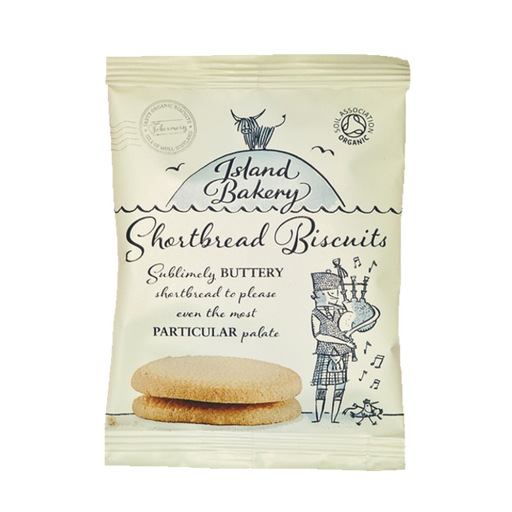
Island Bakery Organic Shortbread 25g
A shortbread option in a stated 25g pack size for planning festival portions. Check the pack’s ingredients and allergen information before serving it to guests with dietary restrictions.
View on Joybuy
 No image available
Gullon Zero Sugar Free Original Digestives 400g
A 400g digestive-biscuit option rather than shortbread. Do not use the word “digestive” or the product’s sugar-free name to infer an effect on symptoms; check its ingredient, nutrition and sweetener information for the guests you are serving.
View on Joybuy
 No image available
Nairns Gluten Free Biscuit Breaks Chunky Oats, Dark & Coconut 160g
A gluten-free-labelled oat biscuit for a guest who wants a biscuit other than shortbread. The named variant is Chunky Oats, Dark & Coconut in a 160g pack; check the exact pack for milk warnings and whether its oat ingredients meet the guest’s requirements.
View on Joybuy
Questions about choosing and serving
Does a digestive biscuit help digestion?
Its name does not establish that it treats digestive symptoms. Compare the exact biscuit’s ingredients and nutrition with ingredients you already know matter to you; a fibre or fat figure cannot predict an individual response.
Is gluten-free shortbread also milk-free?
Not necessarily. Walker’s gluten-free rounds and M&S Made Without Wheat all-butter rounds both list butter (milk), so check the exact pack for anyone avoiding milk.
How should I keep track of biscuits after opening the packs?
Keep each biscuit identifiable alongside its ingredient information, and follow the pack’s storage instructions. Where cross-contact matters, use clean, separate serving arrangements rather than mixing biscuits or utensils.
What allergen information does a festival food stall need to provide?
A food business must provide information about regulated allergens in both prepacked and loose food, though the presentation differs. GOV.UK explains ingredient-list labelling and information for loose items in England, Wales and Northern Ireland; Food Standards Scotland confirms allergen-information requirements for Scottish food businesses. Keep the relevant product information available when biscuits are taken out of their original packs.


