Afternoon snack shoppers
If you are choosing between shortbread and a plain digestive, start with the recipe and texture you want, then consider how many biscuits you plan to eat.


Choose all-butter shortbread if a butter-based, crumbly biscuit is what you want; choose a plain digestive if you prefer a wheat-based biscuit. Check the exact recipe, the number of biscuits you intend to eat and any allergen warnings: a lower figure per biscuit does not make two differently sized biscuits a like-for-like comparison.
If you are choosing between shortbread and a plain digestive, start with the recipe and texture you want, then consider how many biscuits you plan to eat.
Per-biscuit figures describe the listed biscuit, while per-100 g figures give you a common weight basis. You need both to compare different pack formats with your intended portion.
Check the exact pack rather than relying on the biscuit name. Dean’s listed all-butter shortbread contains wheat and milk; McVitie’s Original Digestive contains wheat and carries a precautionary milk statement.
Decide which biscuit recipe appeals to you, then compare the portion and the current pack label before buying.
| Priority | What to check | Your needs |
|---|---|---|
| Recipe | Read the ingredients if you want all-butter shortbread. Dean’s lists salted butter in its All Butter Fingers, but both butter and vegetable margarine in its Traditional Fingers; McVitie’s Original Digestive lists wholemeal wheat flour. | I want a butter-based shortbread, or I would rather have a plain digestive. The word “traditional” alone will not settle that choice. |
| Portion | Check nutrition per biscuit and per 100 g, alongside the number of biscuits you intend to eat. Waitrose lists 102 kcal and 3.1 g saturates per shortbread finger; McVitie’s lists 71 kcal and 1.5 g per Original Digestive. These are differently sized biscuits. | For one afternoon snack, I want to know what my intended portion contains, not treat a lower per-biscuit figure as a comparison of equal weights. |
| Allergens | Read the current ingredients and precautionary statements for the exact pack. Dean’s listed all-butter fingers contain wheat and milk; McVitie’s Original Digestive contains wheat and may also contain milk. | If I am buying for someone with an allergy, I need the pack’s specific warnings before choosing either type. |
| Pack use | Check pack weight, serving information and storage directions. Sainsbury’s advises keeping its listed shortbread fingers in a cool, dry place and in an airtight container after opening. | A pack should suit how many biscuits I expect to eat and how I will store the rest. |
Dean’s Traditional Shortbread Fingers list vegetable margarine as well as butter; its separately named All Butter Fingers have a different recipe.
If the butter-based recipe is your reason for choosing shortbread, read the ingredients on the exact pack.
Waitrose’s listed shortbread finger has 102 kcal and 3.1 g saturates, while McVitie’s Original Digestive has 71 kcal and 1.5 g. The figures describe individual biscuits of different sizes.
Use per-100 g information for a common weight basis, then check the number of biscuits in your intended portion.
The listed Dean’s all-butter fingers contain wheat and milk. McVitie’s Original Digestive contains wheat and says it may also contain milk.
Check the current physical pack’s ingredients and precautionary statements whenever a relevant allergy affects the purchase.
These examples show how named products differ; their details do not apply to every biscuit made by the same brand.
Walker’s describes its Shortbread Fingers as an all-butter recipe made with four ingredients.
Dean’s lists both All Butter Shortbread Fingers and a separate Traditional Shortbread Fingers recipe.
Waitrose lists all-butter shortbread fingers with nutrition given per finger.
Its listed Highland All Butter Shortbread Fingers give nutrition per biscuit and storage directions.
M&S lists 210 g Scottish All Butter Shortbread Fingers and presents them as an afternoon-tea biscuit.
McVitie’s Original is a plain-digestive reference for shoppers comparing it with shortbread.
These options include a 25 g shortbread pack and a 400 g digestive pack for the afternoon-snack choice.
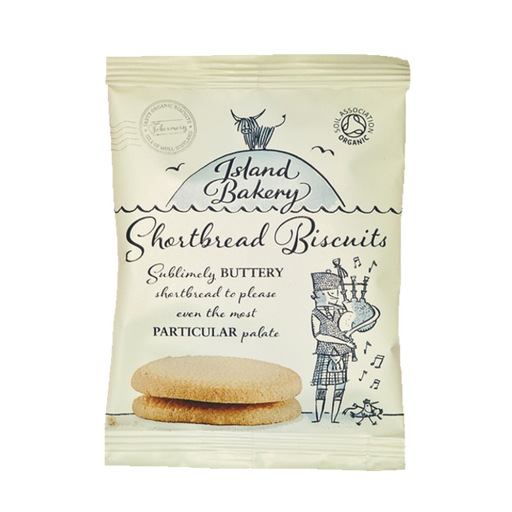 No image available
The 25 g pack gives you a defined amount for an afternoon snack. If an all-butter recipe matters to you, check its ingredients; the product information identifies wheat and milk.
 No image available
This 400 g pack is a digestive alternative to shortbread. Check the serving information for the number of biscuits you plan to eat. The product information identifies wheat, warns that milk and soya may be present, and cautions that excessive consumption may have a laxative effect.
No. Dean’s Traditional Shortbread Fingers list both salted butter and vegetable margarine, while its separate All Butter Shortbread Fingers list salted butter without margarine. Read the exact pack’s ingredients if the recipe affects your choice.
Follow the directions on the pack you buy. Sainsbury’s advises storing its listed shortbread fingers in a cool, dry place and in an airtight container after opening.
For schools covered by the Requirements for School Food Regulations 2014, Schedule 4 says cakes and biscuits must not be provided as food other than a school lunch. This is an England school-provision rule, not a restriction on an ordinary household purchase. The Department for Education said in September 2026 that proposed updated standards for September 2027 remained subject to Parliamentary approval.
No blanket conclusion about biscuit sales follows from that description. The Department of Health and Social Care’s less-healthy-food guidance concerns specified advertising restrictions, while England’s school-food regulations address provision in applicable schools. A particular product and setting must be considered under the relevant rule.