Butter-biscuit tea drinkers
If butter flavour and a crumbly bite matter most, compare all-butter shortbread recipes. Check the pack’s wheat, milk and precautionary allergen information for everyone who will eat it.


Choose shortbread if you want a buttery, crumbly biscuit with your tea, or a plain digestive if you prefer an uncoated wheatmeal biscuit. A chocolate digestive adds a coating, but compare the exact packs’ ingredients, allergens and per-100g labels rather than assuming varieties have the same recipe.
If butter flavour and a crumbly bite matter most, compare all-butter shortbread recipes. Check the pack’s wheat, milk and precautionary allergen information for everyone who will eat it.
A plain digestive offers an uncoated wheatmeal biscuit. Compare the ingredients and pack size: McVitie’s, Tesco and Sainsbury’s list different plain recipes.
If you want a chocolate coating, decide between the specific milk- and dark-chocolate recipes. Their ingredients and labelled sugar values differ from the plain versions.
Choose when: Butter flavour and a crumbly biscuit are the point of the tea break.
Bear in mind: Butter content and other ingredients differ between makers; check the particular recipe.
Choose when: You want an uncoated wheatmeal biscuit rather than a butter-focused shortbread.
Bear in mind: “Plain” describes the style, not a common ingredient list or allergen profile.
Choose when: A chocolate coating is part of what you want with your tea.
Bear in mind: Coatings change the ingredients and labelled nutrition; dark chocolate does not necessarily mean milk-free.
| Priority | What to check | Your needs |
|---|---|---|
| Flavour and texture | Compare the exact recipe: Walker’s lists 32% butter in its Shortbread Fingers and Dean’s lists 31% salted butter in its Fingers. McVitie’s lists a 30% coating for each of its Milk Chocolate and Dark Chocolate Digestives. | I’d choose a butter-focused biscuit for a crumbly tea-break bite, a plain digestive for wheatmeal flavour, or a coated one when I want chocolate. |
| Ingredients and allergens | Read the ingredients and precautionary statements on the pack. Walker’s Fingers contain wheat and milk; McVitie’s Original Digestives may contain milk, and its Dark Chocolate Digestives list butter oil (milk). | If someone eating the biscuits needs to avoid an ingredient, I can’t decide from “plain”, “all-butter” or “dark chocolate” alone. |
| Portion and label values | Use per-100g values to compare recipes on the same weight basis, then check the amount you intend to eat. McVitie’s lists 15.1g sugars per 100g for Original Digestives, 28.5g for Milk Chocolate Digestives and 26.6g for Dark Chocolate Digestives; these are its specified recipes, not category averages. | I want the flavour I’ve chosen, but also want to compare the labelled figures for the particular biscuits and portion I’ll have. |
| Pack and storage | Check net weight and the number of biscuits where stated; packs need not contain the same quantity. Follow the purchased pack’s storage instructions after opening. Tesco advises keeping its Digestives in a cool, dry place and an airtight container once opened. | A pack should suit how often I’ll have biscuits with tea, without leaving an opened pack for longer than I intend. |
Plain and coated digestives have different labelled sugar values. The NHS Eatwell Guide includes biscuits in its advice on having foods high in fat, salt and sugar less often and in smaller amounts.
Choose the flavour you want, then compare the exact packs’ per-100g labels and the portion you expect to eat.
The researched shortbread recipes contain wheat and milk, while McVitie’s Dark Chocolate Digestives list a milk ingredient. A plain digestive can also carry a milk precautionary statement.
Check the ingredients and precautionary allergen information on the pack each person will eat.
A finger count and a pack weight answer different questions: Waitrose lists ten shortbread fingers in 200g, while the researched Tesco Digestives pack weighs 400g.
Check the net weight, stated biscuit count where available and current availability before choosing a pack.
These examples illustrate differences between specific recipes; a brand name alone does not establish the ingredients of every pack.
Its Shortbread Fingers are an all-butter option for a butter-focused tea break.
Its 150g All Butter Shortbread Fingers offer another butter-focused recipe.
Its Original, Milk Chocolate and Dark Chocolate Digestives provide three distinct recipes to compare.
Its Scottish All Butter Shortbread Fingers come in a researched 210g pack.
Its own-label Shortbread Fingers are a 200g all-butter pack containing ten fingers.
Its 400g Digestive Biscuits are an own-label plain wheatmeal reference.
Its 400g Digestives are another own-label plain wheatmeal recipe.
These Joybuy options cover plain and chocolate digestives for the tea-break decision. Choose the biscuit style first, then check the pack quantity and current label for the variant you select.
 No image available
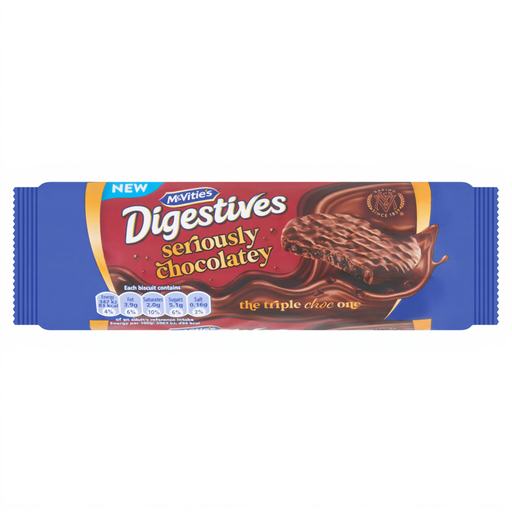
A dark-chocolate digestive option if you want a coated biscuit with tea. This twin pack contains 2 x 266g; check the pack’s ingredients, particularly if milk must be avoided.
 No image available
A 250g chocolate-digestive pack for a tea break where you want a coated biscuit. Compare its own ingredient and per-100g labels with other chocolate varieties rather than assuming they share a recipe.
 No image available
A single 400g pack for someone choosing dark-chocolate digestives. Compare that quantity with the twin pack and read the current ingredient label if milk or another allergen matters.
 No image available
A 400g milk-chocolate digestive pack if you prefer that coating to a plain or dark-chocolate biscuit. Check this pack’s ingredients and per-100g values when comparing variants.
 No image available
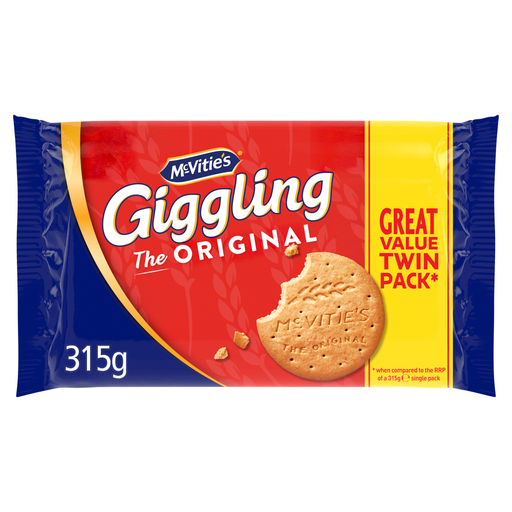
An uncoated digestive option if you prefer a plain biscuit with tea. The Joybuy listing describes a 2 x 315g pack and lists 15% wholemeal wheat flour; check this pack’s label rather than applying figures from a different pack listing.
No. McVitie’s lists butter oil (milk) in its Dark Chocolate Digestives recipe. Read the ingredients and precautionary information on the exact pack if someone needs to avoid milk.
Check the ingredients list and any precautionary allergen statement on the pack. GOV.UK guidance says that allergens from the 14 specified groups, when present as ingredients in prepacked food, must be clearly labelled in the ingredients list.
Follow the instructions on the pack you buy. Tesco says to keep its Digestives in a cool, dry place and in an airtight container once opened.
A best-before date concerns quality, according to GOV.UK guidance; it differs from a use-by date, which concerns safety. Check the purchased pack’s date and storage instructions.
For UK purchases, GOV.UK guidance says the seller must offer a full refund for an item that is faulty or not as described. Some perishable items have different change-of-mind return rules, but that exception does not remove remedies for faulty goods.