Families planning holiday treats
Compare shortbread with digestives by recipe and serving size, rather than treating them as the same biscuit. NHS Healthier Families recommends fruit and vegetables instead of biscuits for routine children’s snacks.


Choose shortbread for a buttery biscuit or an Original digestive for a different, wheat-based recipe; neither name tells you which is more suitable for a particular child. Check the purchased pack’s ingredients, allergens and serving information before offering either as a treat. For routine children’s snacks, NHS Healthier Families recommends fruit and vegetables in place of biscuits.
Compare shortbread with digestives by recipe and serving size, rather than treating them as the same biscuit. NHS Healthier Families recommends fruit and vegetables instead of biscuits for routine children’s snacks.
The specified shortbreads from Walker’s and Tesco contain wheat and milk. McVitie’s specified Original digestive contains wheat and may contain milk. Check the current pack for the child who will eat it.
Identify the setting before applying food-service requirements. The Department for Education’s school-food guidance addresses food provided in state-funded schools in England; its holiday activities and food programme is a separate programme for eligible children.
Start with the biscuit type, then check the exact pack for allergens and a serving size you can use.
| Priority | What to check | Your needs |
|---|---|---|
| Biscuit type | Read the ingredient list rather than interpreting “shortbread digestive” as one recipe. Walker’s Shortbread lists 32% butter in its specified fingers; McVitie’s Original is a different, wheat-based biscuit. | I’m choosing between a buttery shortbread and a classic digestive, not looking for one biscuit that is both. |
| Serving | Use figures for the stated serving: Tesco lists 92 kcal and 2.8 g saturates per 18 g shortbread finger. McVitie’s lists 71 kcal per biscuit for its specified Original digestive; the servings are not stated as equal weights. | For an occasional biscuit treat, I want to know how much one finger or biscuit represents before comparing packs. |
| Allergens | Check the purchased pack’s ingredients and precautionary statements. Walker’s specified fingers contain wheat and milk and may contain nuts; McVitie’s specified Original contains wheat and may contain milk. | A child’s allergy makes the exact product and its current label more important than the biscuit category. |
| Pack and storage | Check the piece count and storage directions. Walker’s specified 150 g pack states eight fingers; Tesco directs shoppers to keep its specified fingers in an airtight container once opened. | If I’m serving biscuits on several days, the number of pieces and directions for an opened pack matter. |
Shortbread and Original digestives have different recipes. The word “digestive” does not establish a nutritional or medical benefit.
Choose the biscuit type you want, then compare ingredients and nutrition using the serving stated on each pack.
The specified biscuits have different wheat, milk and nut statements, and product information can change.
Read the purchased pack for every child with a relevant allergy; do not assume another product from the same brand has the same recipe.
The Department for Education’s school-food guidance concerns provision in state-funded schools in England. Its proposed changes for September 2027 are subject to Parliamentary approval, while holiday activities and food programme provision has its own setting.
Establish who provides the food and which programme or setting applies before deciding what a provider may serve.
These examples identify particular shortbread and digestive products, not characteristics shared by every product from each brand.
Its specified 150 g Shortbread Fingers pack contains eight fingers.
Its specified All Butter Shortbread Fingers come in a 150 g pack.
Its specified All Butter Shortbread Fingers come in a 210 g pack.
Its specified Scottish All Butter Shortbread Fingers come in a 210 g pack.
The specified Original is a digestive-biscuit comparison, not an all-butter shortbread.
These Joybuy options are digestives, including the Original and variants with different recipes or coatings. They do not represent the shortbread side of the choice; compare each exact pack before serving.
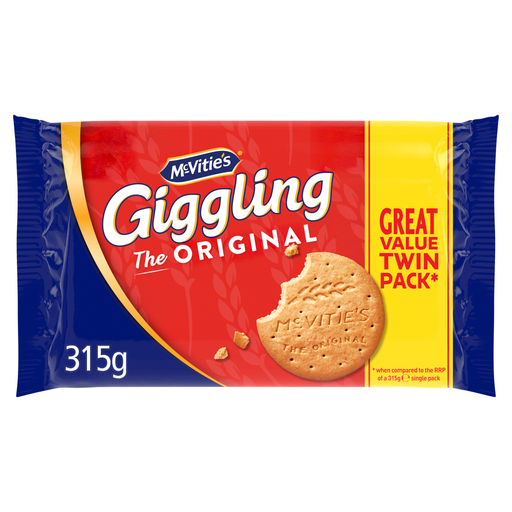 No image available
An Original digestive option if you prefer that biscuit to shortbread. This listing is a 2 x 315 g pack; check its own ingredients, allergens and nutrition rather than applying figures from a different pack.
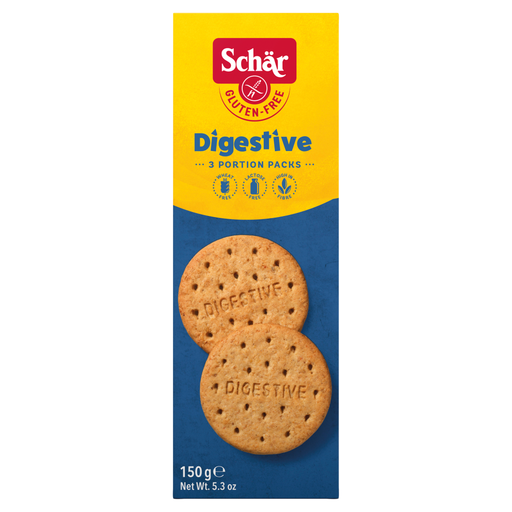 No image available
A gluten-free-labelled digestive variant rather than the wheat-based Original used in the main comparison. Check the purchased 150 g pack’s full allergen and precautionary statements for the child who will eat it.
 No image available
A milk-chocolate digestive rather than the uncoated Original. Use this 400 g variant’s own label when checking a serving and relevant allergens; figures for the plain biscuit are not interchangeable.
 No image available
A differently formulated digestive, not the standard Original recipe. For a child’s snack, check this 400 g pack’s sweetener information, excessive-consumption warning and allergen statements before choosing it.
 No image available
A dark-chocolate-coated digestive in a 2 x 266 g format, rather than the plain biscuit used for the main comparison. Check this variant’s pack for per-biscuit nutrition and allergens before planning a serving.
No nutritional or medical benefit follows from the name. Choose using the particular biscuit’s ingredients and nutrition label, not an assumed effect.
Read the exact purchased pack, including precautionary statements, before serving. The specified shortbreads contain wheat and milk; Walker’s warns of possible nuts, M&S says its specified fingers are unsuitable for people with nut or peanut allergies, and McVitie’s specified Original digestive may contain milk.
Follow the purchased pack’s directions. Tesco instructs shoppers to keep its specified shortbread fingers in a cool, dry place and in an airtight container after opening.
The Department for Education’s school-food guidance covers food and drink provided in state-funded schools in England, not a family serving biscuits at home. A holiday-club provider should check the requirements for its own programme and setting separately.
No. The Department for Education’s guidance of 14 September 2026 says those changes are subject to Parliamentary approval and proposed to take effect from September 2027; they should not be treated as current requirements.