Shift-bag snack packers
If you carry a biscuit to work, compare separately wrapped portions with a larger pack that will need storing once opened. Check how much you would take for one break, not just the total pack weight.


Choose shortbread if you want a butter-containing biscuit, a plain digestive if you prefer a wheatmeal biscuit, or a chocolate digestive if the coating is part of what you want. For a night-shift break, the pack format matters too: compare a wrapped portion with a larger pack you would need to store after opening, then check the exact biscuit’s ingredients and nutrition label. Plan meals separately rather than relying on biscuits to get through the shift.
If you carry a biscuit to work, compare separately wrapped portions with a larger pack that will need storing once opened. Check how much you would take for one break, not just the total pack weight.
If you are deciding between shortbread and digestives, start with the ingredients and style you prefer. A chocolate-coated digestive is another distinct choice, rather than a substitute for every plain biscuit.
If wheat, milk or precautionary allergen statements matter to you, read the current pack. To compare nutrition across different biscuit sizes, look at both the per-100g values and the stated portion.
Choose the biscuit style first, then a pack format that works for your break; use the label to compare the particular products, not their names alone.
| Priority | What to check | Your needs |
|---|---|---|
| Biscuit style | Compare the exact shortbread ingredients with those of a plain wheatmeal digestive. If you want chocolate, check the coated product separately; recipes differ. | I would rather choose a biscuit for its flavour and ingredients than assume shortbread and digestives will be interchangeable. |
| Pack format | Check whether portions are wrapped separately, how many biscuits or packs are included, and what the label says about storage after opening. | A portion I can put in my work bag may suit one break; for several shifts, I also need somewhere to keep the rest of an opened pack. |
| Nutrition and portion | Use per-100g sugars and saturates to compare recipes on the same basis. Check per-biscuit values and biscuit size when deciding how many to carry. | If I pack two biscuits, I want to know what the label counts as one biscuit. A per-100g figure alone does not describe my portion. |
| Ingredients and storage | Read the current ingredients and allergen statements, including any ‘may contain’ wording. Follow the particular pack’s storage instructions. | When an ingredient matters to me, I need to check the pack I will eat, not rely on a familiar recipe or an older listing. |
The name describes a biscuit style; it does not establish an effect on digestion.
Choose between plain and chocolate digestives by their ingredients, portion and flavour rather than an assumed health effect.
Biscuit sizes and label denominators differ, so those figures do not make a like-for-like comparison.
Compare recipes using per-100g figures, then read the per-biscuit information for the portion you intend to pack. The NHS identifies per-100g labelling as a way to compare foods.
Recipes and precautionary allergen statements can differ between products and change over time.
Check the current physical pack whenever an ingredient or allergen affects your choice.
Walker’s Shortbread lists its twin-pack fingers as a case of 24 × 40g packs, so the total quantity matters if you only want a few snacks.
Compare the number of portions and the seller’s delivery terms with a smaller pack before ordering.
A case also leaves more biscuits to store between shifts.
These product-line examples show how biscuit style and pack format vary; they are separate from the Joybuy options below.
Walker’s Shortbread lists both a 250g fingers carton and a case of 24 wrapped twin packs.
Dean’s lists traditional shortbread rounds in a 130g pack.
M&S Food lists Scottish all-butter shortbread fingers, plain digestives and individually wrapped milk-chocolate digestive bars.
Waitrose & Partners lists shortbread fingers and Essential plain digestives.
Tesco lists all-butter shortbread fingers in a 210g pack.
Sainsbury’s lists plain digestives in a 400g pack.
These Joybuy options include shortbread, plain and chocolate digestives, plus a chocolate biscuit finger if you want a different style. Compare the pack sizes with the portion you plan to carry.
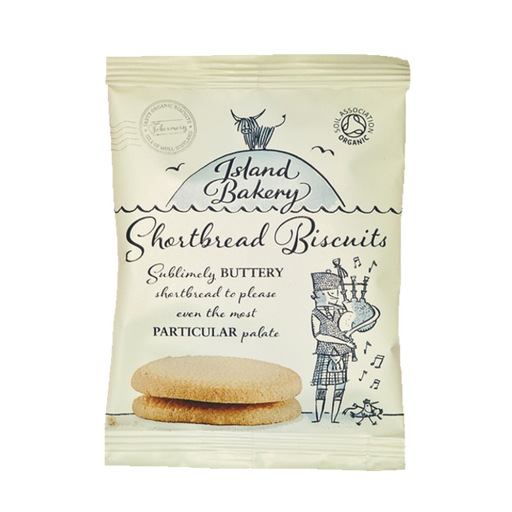 No image available
The 25g size gives you a defined amount of shortbread to consider for one break. Check the packaging if you need the biscuit to stay separately wrapped in your work bag.
 No image available
Choose this route if you want a dark-chocolate digestive rather than a plain biscuit. The twin pack contains 2 × 266g; check how you will carry a portion and store an opened pack.
 No image available
This 400g digestive pack is a plain-biscuit option for more than one break. Check the current ingredients and nutrition label, and plan how to carry a portion while keeping the remaining biscuits as the pack directs.
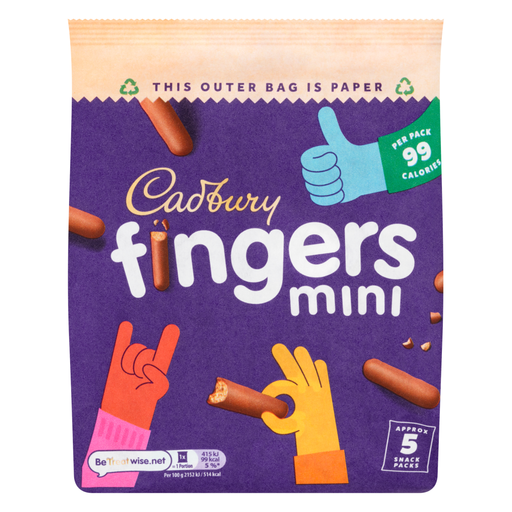 No image available
These biscuit fingers are an alternative if you want a chocolate biscuit rather than the shortbread or digestive styles discussed above. Check whether the 96.5g bag matches the amount you intend to take on a shift.
The listed biscuits are ready to eat; the practical choice is how much to carry and whether the pack keeps the rest separate. Plan meals and drinks for the shift rather than treating a biscuit snack as the meal.
Follow the particular pack’s instructions. Sainsbury’s digestives and Waitrose Essential digestives specify an airtight container after opening, whereas Walker’s cited twin-pack fingers come wrapped in pairs.
No digestive benefit is established by the name. If you prefer this style, compare the particular biscuit’s ingredients and label rather than choosing it for an assumed health effect.
Read the current pack’s ingredients and precautionary allergen statement before eating. Walker’s cited shortbread fingers contain wheat and milk and may contain nuts; Waitrose’s specified Essential digestives may contain milk. The Food Standards Agency also cautions that a vegan label alone does not guarantee suitability for someone with a food allergy.