Everyday tea-break shoppers
Choose the biscuit style you want first: butter-led shortbread, a plain digestive or a chocolate-coated digestive.


Choose all-butter shortbread for a butter-led biscuit, a plain digestive for the wheaty style without a coating, or a chocolate digestive when you want chocolate with your tea. Before buying, compare the exact packs’ ingredients, allergy advice and nutrition on the same basis; the recipes and biscuit sizes differ.
Choose the biscuit style you want first: butter-led shortbread, a plain digestive or a chocolate-coated digestive.
Check the pack quantity and the exact ingredients and allergy advice before serving biscuits to other people.
Compare saturates and sugars per 100 g, then look at the per-biscuit figures and how many biscuits you expect to have.
Start with the biscuit style, then compare the labels of the packs you are considering.
| Priority | What to check | Your needs |
|---|---|---|
| Biscuit style | Look for an all-butter shortbread recipe, a plain digestive or a chocolate coating. Check the particular product rather than assuming all digestives share a recipe. | I want a butter-led biscuit with tea, or I would rather have a plain wheaty digestive. If chocolate is the point, I will choose a coated variant. |
| Ingredients and allergens | Read the exact pack’s ingredients and precautionary allergy advice. McVitie’s Original says it may contain milk; the checked Tesco digestive lists dried skimmed milk. | If someone eating the biscuits has an allergy, I need the label for the product being served, not an assumption based on its biscuit type. |
| Nutrition and portions | Compare saturates and sugars per 100 g, then check the per-biscuit amount and biscuit size. NHS food-label guidance explains the distinction between per-100 g and per-portion figures. | I want to compare different-sized biscuits fairly and understand the figures for the number I expect to eat. |
| Pack and storage | Check net weight, biscuit count where stated, and the chosen pack’s storage directions after opening. | For a shared tea break, I want enough biscuits for the group; for several smaller breaks, I need to know how to store the rest. |
The checked recipes differ, including in their ingredients and how milk appears in digestive products.
Pick the biscuit style you want, then read that product’s ingredients and allergy advice.
A per-biscuit figure describes that manufacturer’s biscuit, which may be a different size from another product’s.
Use per-100 g figures for a like-for-like comparison, then use the per-biscuit figures to consider your portion.
Retailers warn that recipes and allergy information can change, and precautionary warnings differ between products.
Read the delivered pack before serving biscuits to someone with an allergy.
These product examples show what to compare on a label; a brand name alone does not establish a recipe or allergy warning for every biscuit it makes.
Its Shortbread Fingers are an all-butter shortbread example.
Its 150 g All Butter Shortbread Fingers offer another shortbread recipe to compare.
Its Scottish All Butter Shortbread Fingers are a further shortbread example.
Its Shortbread Fingers provide a stated biscuit count alongside the recipe.
Its checked own-label products include all-butter shortbread fingers and plain digestives.
Its Highland All Butter Shortbread Fingers are another product-specific shortbread reference.
Its Original and Milk Chocolate Digestives illustrate the plain and coated choices.
These options include plain and chocolate digestives alongside a shortbread pack. Compare their formats and the labels of the products you are considering.
 No image available
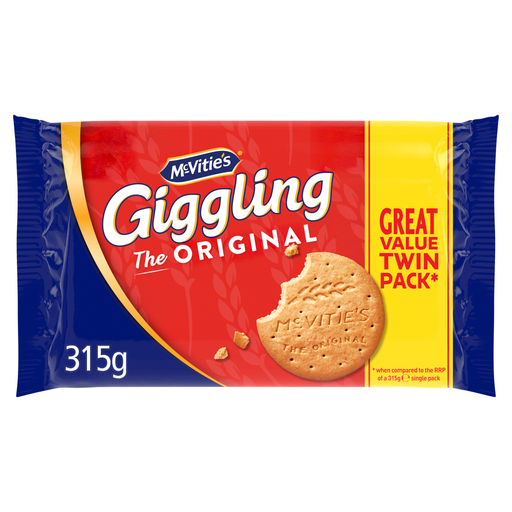
A plain digestive option if you do not want a chocolate coating. This is a 2x315g pack; check its label for ingredients, allergy advice and the nutrition figures relevant to your portion.
 No image available
A 400g milk chocolate digestive option when you want a coated biscuit with tea. Compare the pack’s ingredients, allergy advice and per-biscuit nutrition with those of a plain digestive.
 No image available
A 400g plain digestive variant labelled Sugar Free. Check the pack’s ingredient list, allergy advice and nutrition information rather than treating the name as a judgement about the whole biscuit.
 No image available
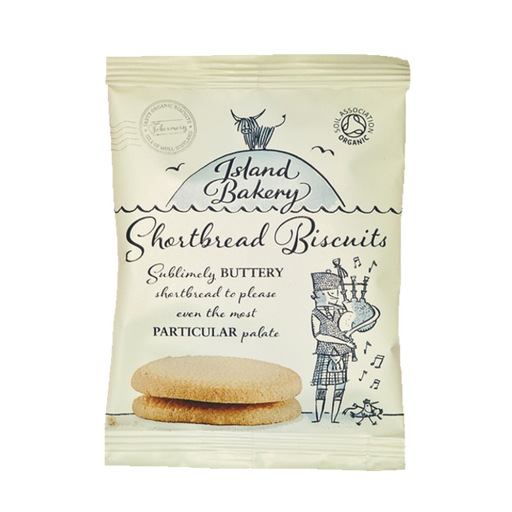
A 25g shortbread pack to consider for one tea break rather than a larger pack for sharing. Check its ingredients and allergy advice against the digestive options before choosing.
 No image available
A dark chocolate digestive option if you want a coated biscuit but not the milk chocolate variant. The twin pack is labelled 2 x 266g; check the current pack for ingredients, allergy advice and nutrition per portion.
No. The checked all-butter shortbread fingers list butter, while McVitie’s Original Digestives list wheat flours and vegetable oil. Choose by the particular recipe and biscuit style you want.
No. The checked Tesco digestive lists dried skimmed milk, while McVitie’s Original says it may contain milk. For an allergy, read the exact pack’s ingredients and precautionary advice.
Use the delivered pack’s label before serving the biscuits, particularly when an allergy matters. The checked M&S and Waitrose pages warn that product information can change; contact the seller or manufacturer if you need clarification about that product.
Compare the same measure per 100 g first, then look at per-biscuit figures and biscuit size for the portion you expect to have. NHS food-label guidance distinguishes per-100 g information from information given per portion.
No. The Food Standards Agency distinguishes best-before dates, which relate to quality, from use-by dates, which relate to safety. Follow the date and storage directions on the particular pack.