
24/7 Customer Support

Free returns

Same-day & Next-day Delivery

Quality Guaranteed

Unlock Your Welcome Offers: FREE Delivery | Up to 80% OFF | Free 30-day JoyPlus trial
Download the APP
By Joybuy Product Recommendation OfficerPublished: 2026-07-23
Is your shower starting to feel cluttered? Bottles lining the floor, soap bars slipping away and razors perched precariously on the edge of the tub are common frustrations. A well-chosen shower caddy can transform a chaotic space into a tidy, functional and more relaxing environment.
However, with so many options available—from suction cup models to floor-to-ceiling tension rods—finding the right bathroom organiser for your specific needs can feel overwhelming. This guide is designed to cut through the clutter, offering practical advice to help you select a durable and effective solution for your UK home, whether you are a homeowner, a renter in a flat or a parent managing bath time chaos.
Before you decide, consider these key factors to ensure your new organiser meets your daily needs and fits your bathroom perfectly.
For many, especially renters or those who simply wish to avoid damaging their tiles, a no drill shower shelf is the priority. These solutions offer stability without permanent fixtures.
The damp, humid environment of a shower is a breeding ground for rust and mildew. The material of your caddy is crucial for its longevity.
Consider what you need to store. A single person may only need space for a few items, while a family will require much more.
Here are a few standout options that address different needs and bathroom layouts.

Why It Stands Out: This two-pack of shelves from TAILI offers a robust, damage-free storage solution. The installation is remarkably simple—just press the suction cups firmly against a smooth surface. Constructed from durable ABS plastic, these shelves feature an impressive 22 lbs (10 kg) weight capacity combined, making them suitable for holding multiple large bottles. The fast-draining design, with 22 drainage holes and a slightly inclined base, ensures your toiletries stay dry.

Why It Stands Out: If you need maximum storage, this tension rod shower caddy is an excellent choice. It transforms an empty corner into a four-tier storage tower. Made from coated steel for rust resistance, its standout feature is the impressive height range, adjustable from 95 cm to 315 cm, making it suitable for most UK bathrooms. The shelves can be positioned at any height along the rod, providing a customisable layout for all your products.
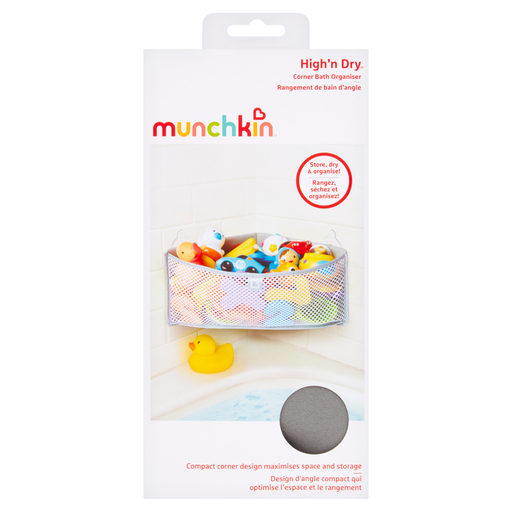
Why It Stands Out: This organiser from Munchkin is specifically designed to solve the problem of bath toy storage. It tucks neatly into a corner, keeping toys contained and off the floor of the tub. The mildew-resistant mesh fabric allows water to drain away completely, helping toys to air dry quickly and reducing the risk of mould. It attaches with four suction cups and even includes mounting discs to help it adhere to lightly textured surfaces.
If these recommendations aren't quite what you're looking for, or if you prefer a different style, there are many other designs to consider. For a simple and classic solution, explore our wider collection of hanging shower basket options to find the perfect fit for your bathroom.
1. How do I stop my suction cup shower caddy from falling? The key is a clean, suitable surface. First, ensure the wall is a smooth, non-porous material like glass or glossy tile. Clean both the wall and the suction cup with a household cleaner to remove any soap residue or oils, then dry them completely. When applying, press firmly from the centre outwards to push all the air out and create a strong vacuum. Avoid placing cups over grout lines.
2. What is the best material for a shower caddy to prevent rust? To avoid rust in a damp bathroom, look for materials like high-grade stainless steel, coated aluminium or quality plastics like ABS. These are specifically chosen for their durability and resistance to corrosion. Always check the product details for terms like "rust-proof" or "rust-resistant".
3. Can a tension rod shower caddy damage my ceiling or tub? When installed according to the manufacturer's instructions, a tension rod shower caddy is very safe for your home. They are designed with soft plastic or rubber caps on both ends to protect surfaces and distribute pressure evenly. The main things to avoid are over-tightening the rod and using it on sloped or fragile ceilings.