
24/7 Customer Support

Free returns

Same-day & Next-day Delivery

Quality Guaranteed

Unlock Your Welcome Offers: FREE Delivery | Up to 80% OFF | Free 30-day JoyPlus trial
Download the APP
Choosing a shower gel seems straightforward until a heavily fragranced formula leaves skin feeling tight, a small bottle runs out quickly, or a “sensitive” label does not match your ingredient requirements. UK shoppers also face a wide range of claims around natural origin, hydration, hypoallergenic formulas and sustainability.
The most practical approach is to look beyond front-of-pack wording and compare the formula, size, intended use and full ingredient list.
A product may contain a high proportion of natural-origin ingredients but still include fragrance, essential oils or surfactants that do not suit every user. If you have reactive or dry skin, check whether the formula contains parfum, colourants, essential oils or known fragrance allergens such as limonene and linalool.
A fragrance-free or unscented hypoallergenic shower gel may be a more suitable starting point, although “hypoallergenic” does not guarantee that every individual will tolerate it.
Ingredients such as glycerin, aloe, plant oils and emollient conditioners can help skin feel softer after washing. However, a body wash is rinsed away. It should not automatically be treated as a substitute for a leave-on moisturiser, particularly if your skin is persistently dry or uncomfortable.
A 5-litre refill can reduce packaging per millilitre and suit a family, salon or workplace. It can be inconvenient for a small household if the formula is not suitable, storage is limited, or the product is decanted into unlabelled containers. Compare cost per 100ml, pump or pouring practicality, and the product’s stated storage guidance before buying in bulk.
For dry skin, look for a nourishing body wash or moisturising shower gel containing ingredients such as glycerin, aloe, glyceryl oleate or other conditioning agents. If fragrance is a concern, select a fragrance-free option and read the current packaging carefully.
People with sensitive skin may wish to prioritise:
A sensitive skin shower gel is not necessarily sulphate-free, so check the INCI list rather than relying on the product name. Terms such as “sulphate-free”, “vegan” and “natural origin” describe different characteristics and should not be treated as interchangeable.
Surfactants create lather and remove sweat, oil and dirt. Common examples include sodium laureth sulphate, sodium myreth sulphate, cocamidopropyl betaine and coco-glucoside. Their presence does not alone determine whether a product will suit you, but a formula with several cleansing agents may feel different from a creamy, low-foam cleanser.
For an acne body cleanser, check whether exfoliating ingredients such as salicylic acid, citric acid or gluconolactone are included. These products require careful use: avoid broken or irritated skin, follow the label instructions and stop if redness, itching or stinging develops. They are cosmetic cleansers, not a replacement for medical advice.
Common UK sizes range from 250ml to 720ml. A smaller bottle can be useful for travel or trying an unfamiliar formula, while a 450ml to 720ml pump may offer greater convenience for regular household use.
For sustainability, look for specific information such as recycled plastic packaging, biodegradable formula, recyclable bottles or a refill format. “Eco-friendly” on its own provides little detail. If you are seeking a vegan body wash, check for a clear vegan statement or recognised certification where available.
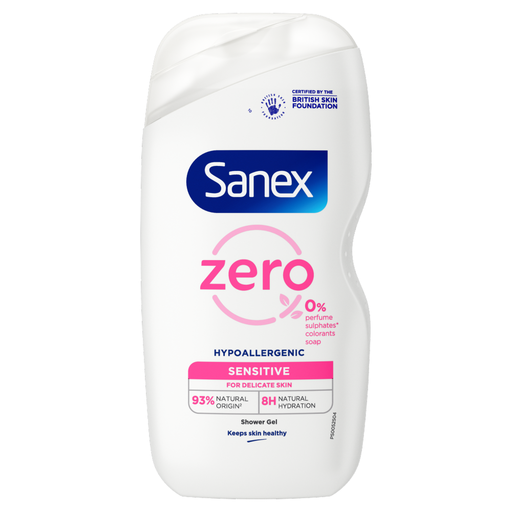
Why This Fits Their Persona: A straightforward 450ml option for shoppers who want an unscented daily cleanser without committing to a bulk format.
Its listed formula contains no fragrance, colourants, sulphates or soap, helping shoppers avoid relying on vague “mild” wording.
Unscented format; 450ml size; includes glycerin and sodium lactate.
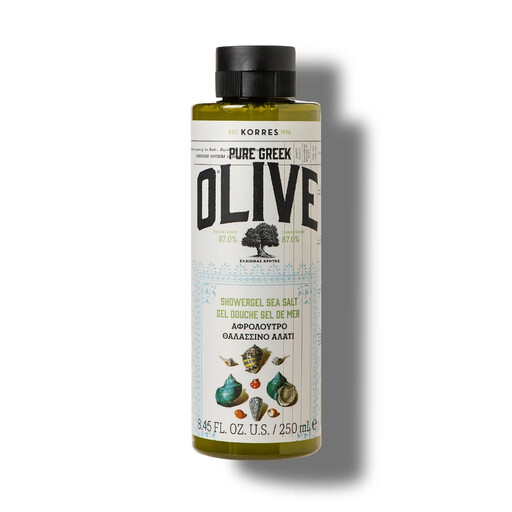
Why This Fits Their Persona: Suitable for shoppers prioritising a foaming, scented wash with olive leaf extract, aloe and wheat proteins in a compact 250ml bottle.
The ingredient list is available for checking, including fragrance allergens, so buyers can assess suitability rather than assuming “nourishing” means fragrance-free.
Contains aloe and glycerin; 250ml format; designed for bath or shower use.
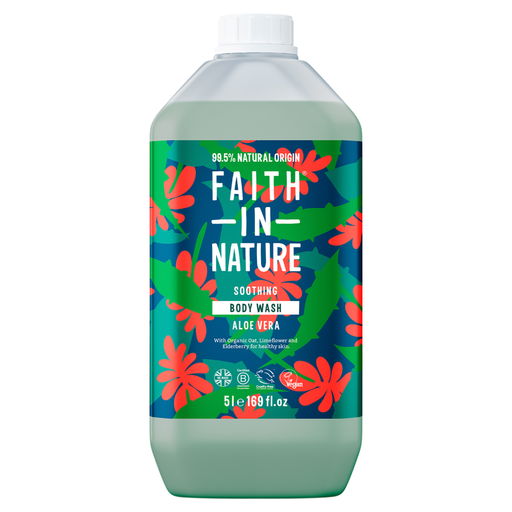
Why This Fits Their Persona: A practical bulk body wash for larger households, salons, shared accommodation or businesses with suitable refill storage.
The 5L quantity is clearly stated, helping buyers compare volume and plan decanting instead of overpaying for repeated small bottles.
Vegan Society approved; recyclable refill bottle; contains aloe vera and 99.5% natural-origin ingredients according to the product description.
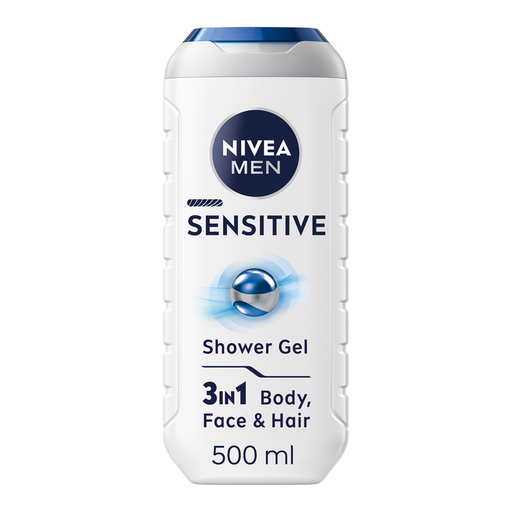
Why This Fits Their Persona: The men’s 3-in-1 shower gel format combines body, face and hair cleansing for gym bags, travel or a simplified daily routine.
The product description identifies its three intended uses, 500ml capacity, plant-based moisturiser and microplastic-free formula.
Body, face and hair use; 500ml size; packaging is described as recycled plastic.
We have compiled a complete, real-time list of products that fully satisfy these strict selection criteria and UK safety regulations.
Many shower gels are formulated for daily cleansing, but suitability depends on your skin and the product. Use lukewarm rather than very hot water, apply a modest amount and rinse thoroughly. If skin feels persistently tight or irritated, consider reducing frequency, changing formula or seeking professional advice.
The terms are often used interchangeably. “Shower gel” commonly describes a clear or gel-textured cleanser, while “body wash” may refer to a creamier liquid. The ingredient list, fragrance and intended use matter more than the name on the front of the bottle.
There is no universal lifespan because usage varies by household size, shower frequency and amount dispensed. A 450ml or 500ml bottle may suit regular personal use, while a 720ml or 5L format can reduce replacement frequency. Check the product label for storage and after-opening guidance, and always verify ingredients before use.