
24/7 Customer Support

Free returns

Same-day & Next-day Delivery

Quality Guaranteed

Unlock Your Welcome Offers: FREE Delivery | Up to 80% OFF | Free 30-day JoyPlus trial
Download the APP
Choosing shower gel and body wash should be simple, but crowded shelves can make it easy to pay for features you do not need. Fragrance, oversized packaging and claims about long-lasting freshness may attract attention, while the details that affect everyday use are often overlooked.
As the Joybuy Product Recommendation Officer, I focus on practical distinctions that help UK shoppers compare bath and body products without relying on marketing language alone.
A strong scent can make a shower feel luxurious, but it does not indicate how suitable a product is for your skin. Fragranced formulas may contain declared allergens such as limonene, linalool or citral. If you are fragrance-conscious, check the full ingredient list rather than choosing based only on the front label.
This also applies when buying men's shower gel, women's body wash or a luxury body wash. Gendered packaging mainly reflects scent and presentation; the more useful comparison is the formula, size and intended use.
A 3-in-1 shower gel can save space in a gym bag or shared bathroom, but hair, face and body may have different cleansing requirements. Products designed for all three areas are convenient, yet people with dry, reactive or easily irritated skin may prefer a dedicated body wash or sensitive skin shower cream.
A large shower gel can offer practical value for families or frequent users, but a one-litre bottle takes up more shelf space and may be awkward to handle. Pump packaging can help, while smaller bottles are more suitable for limited bathroom storage or travel. Also consider whether the scent is one you will want to use repeatedly, rather than selecting a size based only on the price per millilitre.
For regular cleansing, look for a formula that matches how your skin feels after washing:
Terms such as “vegan shower gel”, “cruelty-free” and recyclable packaging describe ethical or packaging attributes, not automatically skin compatibility. Check the exact certification or statement on the product page and packaging.
Compare both net content and how the bottle will be used. Common sizes around 200–500ml are manageable for individual bathrooms, while 700ml–1,000ml formats can suit busy households. Travel products should be checked for capacity and closure quality.
For transporting your own cleanser, travel refillable bottles can reduce the need to buy multiple miniature products. A 50ml bottle is compact for hand luggage, but it must be cleaned, dried and sealed properly before packing.
UK cosmetic products should provide an ingredient list using standard INCI names, directions, warnings and responsible-person details. Before buying, check:
No shower gel should be used on broken or irritated skin unless the label specifically directs it. Stop using a product if irritation develops and seek medical advice if symptoms persist.
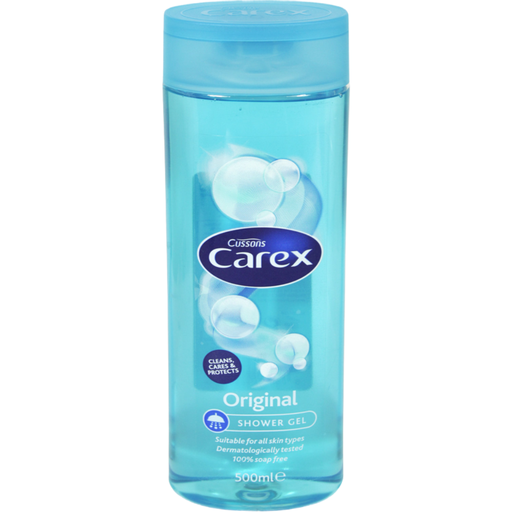
Why This Fits Their Persona: A 500ml format is practical for everyday family use, with a light original fragrance and a straightforward shower routine.
The clearly stated 500ml content makes it easier to compare with smaller bottles, while the ingredient list allows fragrance-conscious shoppers to check the formula.
500ml bottle; glycerin and Polyquaternium-7 are listed among the ingredients; suitable for external body cleansing.
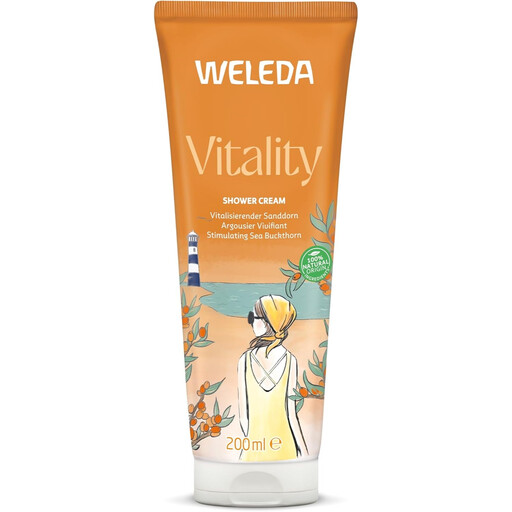
Why This Fits Their Persona: This smaller shower cream suits shoppers who prioritise a creamy texture, plant-based surfactants and a citrus-led fragrance for daily use.
The product details identify the 200ml size and describe the fragrance and cleansing format, helping buyers assess whether the sensory experience matches their preference.
200ml format; sea buckthorn oil, glycerin and plant-based surfactants are listed; vegan-friendly formulation.
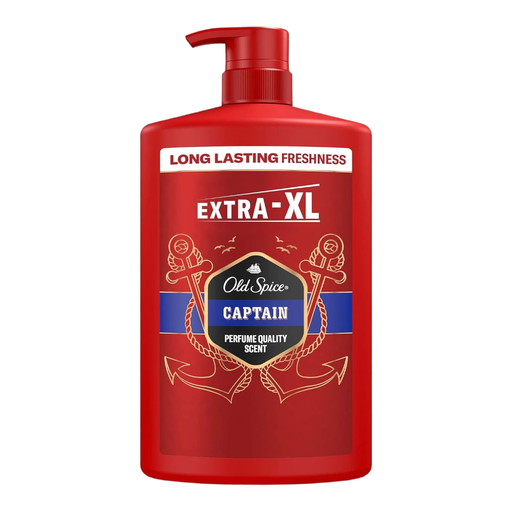
Why This Fits Their Persona: The one-litre pump bottle is suited to frequent users, shared bathrooms and shoppers wanting one product for hair, face and body.
The 3-in-1 function is stated clearly, so buyers can weigh convenience against the need for separate facial or hair products.
1,000ml capacity; pump format; designed for hair, face and body; ocean, sandalwood and bergamot fragrance profile.
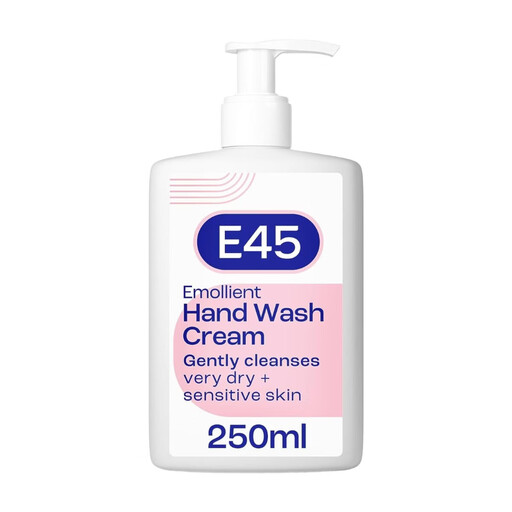
Why This Fits Their Persona: A fragrance-free, non-foaming wash cream is a practical option for shoppers who find conventional shower gels too drying or strongly scented.
It avoids relying on a perfume-led experience and is described as soap-free, detergent-free and non-foaming. The label should still be checked before use.
250ml size; fragrance-free formulation; emollient ingredients including petrolatum, mineral oil and glycerin.
We have compiled a complete, real-time list of products that fully satisfy these strict selection criteria and UK safety regulations.
Use only as much daily cleansing product as needed to cover the skin, and rinse thoroughly. A washcloth or shower puff can create more lather, but it should be rinsed and allowed to dry between uses. Keep bottles closed and away from direct sunlight or excessive heat.
If a product leaves the shower floor slippery, rinse the area carefully. This is particularly important with richer emollient wash creams. For travel, fill refillable bottles before departure, tighten the lids and place them in a separate leak-resistant toiletry bag.
Many products are labelled for daily use, but suitability depends on the formula and your skin. If your skin feels tight or uncomfortable after washing, consider reducing water temperature, using less product or switching to a moisturising body wash or fragrance-free option.
There is no fixed lifespan because usage varies. A 200–250ml bottle may suit occasional or individual use, while 500ml–1,000ml bottles are more practical for frequent or shared use. Check the period-after-opening symbol and storage guidance on the packaging.
They can reduce the number of bottles you buy and carry, but value depends on the price per millilitre and how quickly the product is used. Compare the net content, dispensing format and whether you would otherwise need separate hair, face and body products.