
24/7 Customer Support

Free returns

Same-day & Next-day Delivery

Quality Guaranteed

Unlock Your Welcome Offers: FREE Delivery | Up to 80% OFF | Free 30-day JoyPlus trial
Download the APP
For many of us in the UK, from students in halls to busy families needing a quick meal, instant noodles are a cupboard staple. The promise of a hot, flavourful dish in minutes is hard to resist. Yet, the reality can often be a let-down. When it comes to shrimp instant noodles, the gap between the picture on the packet and the meal in your bowl can be particularly wide. Before you fill your basket, it helps to know what to look for to avoid common shopping pitfalls.
As a Joybuy Product Recommendation Officer, my role is to help you navigate the options and find products that deliver on their promise. Here are a few frequent issues we see and how to sidestep them.
To ensure you get a delicious and satisfying meal, focus on a few core parameters. These details will tell you far more about the product than the marketing claims on the packaging.
The noodle itself is the foundation of your meal. The preparation method directly impacts taste, texture and cooking time.
The flavour profile is determined by the seasoning base and its origin.
Finally, consider how and when you will be eating them.
Based on these practical criteria, here are a few recommendations tailored to different needs and preferences.
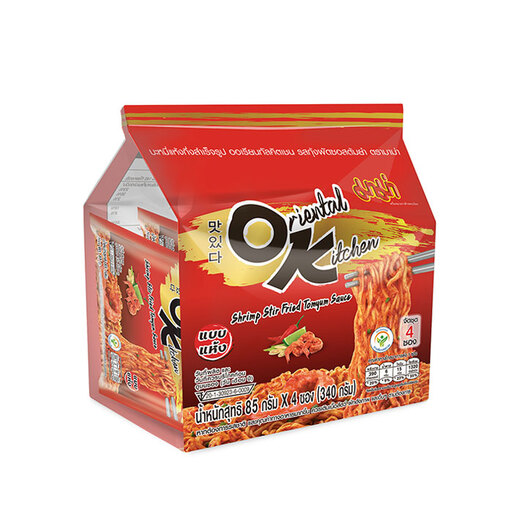
Why This Fits Their Persona: Perfect for those who crave authentic, bold Thai flavours. The stir-fry format and intense tom yum paste offer a more engaging cooking experience and a vibrant, spicy-sour taste that goes far beyond a simple soup.
It sidesteps the "single sachet" trap by providing separate seasoning powder and a rich chilli paste, allowing for a complex, multi-layered flavour. The noodles are designed for stir-frying, ensuring they hold their texture.
Authentic Thai tom yum stir-fry experience. Separate paste and powder sachets give you more control over the final flavour and spice level.
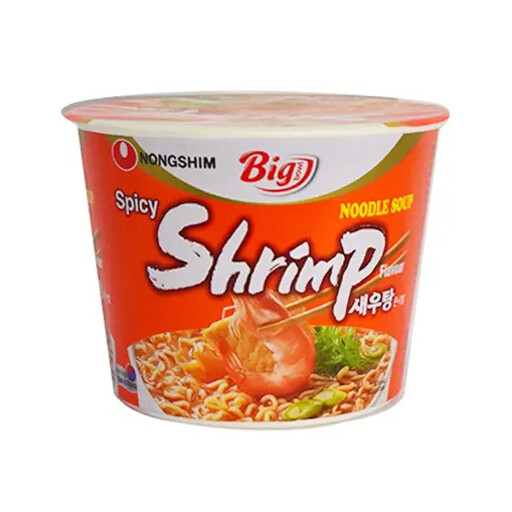
Why This Fits Their Persona: The ultimate in convenience for a quick, satisfying meal at the desk or between lectures. The all-in-one bowl format means no extra pot or bowl is needed, and it provides a substantial portion.
As a bowl noodle from a reputable Korean brand, it's designed for simple "add water" prep without the noodles turning to mush. The included fish flakes, dried shrimp and vegetables offer more substance and texture than a basic powder.
All-in-one bowl format for maximum convenience and minimal clean-up. The NongShim ramen brand is known for its satisfyingly chewy noodles and robust Korean noodles flavour.
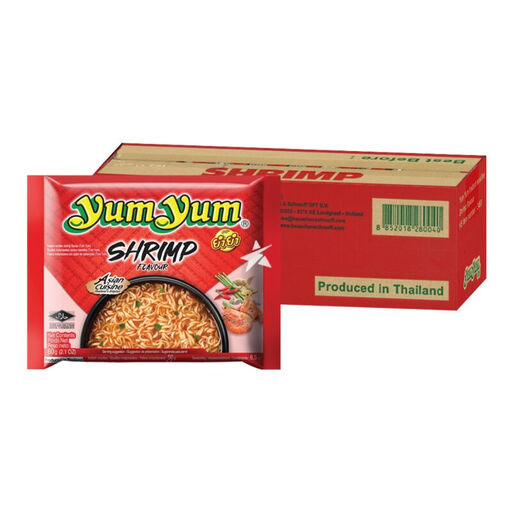
Why This Fits Their Persona: An economical choice for stocking the pantry. The creamy, savoury shrimp flavour is a well-established crowd-pleaser and is less intensely spicy, making it a versatile option for various family members.
This Asian noodle multipack provides excellent value for money. The flavour is consistent and reliable, delivering a creamy and savoury broth that avoids the "salty water" pitfall of some budget options.
Great value with a 10-pack format. The creamy and savoury flavour profile has a wide appeal, making it a safe and dependable choice for a family cupboard.
We have compiled a complete, real-time list of products that fully satisfy these strict selection criteria and UK safety regulations.
The easiest way to elevate any instant noodle is by adding fresh ingredients. A soft-boiled egg, a handful of fresh spinach, some chopped spring onions or a few cooked prawns can transform a simple snack into a more complete meal. A squeeze of fresh lime juice can also brighten up the flavour of many seafood broths.
Yes, for on-the-go situations, bowl noodles are unmatched in convenience. They require no extra dishes and are perfect for an office lunch or a quick meal in a dorm room. However, packet noodles, especially in multipacks, generally offer better value for money and give you the freedom to prepare them in a pot with your own additions.
While often used interchangeably, there can be a difference in flavour. Prawn noodles and shrimp noodles typically focus on the sweet, distinct flavour of that one crustacean. Seafood ramyun, on the other hand, usually implies a more complex broth made from a blend of different seafood, which might include fish, squid, clams and mussels alongside shrimp, creating a deeper and more layered umami taste.