
24/7 Customer Support

Free returns

Same-day & Next-day Delivery

Quality Guaranteed

Unlock Your Welcome Offers: FREE Delivery | Up to 80% OFF | Free 30-day JoyPlus trial
Download the APP
Shrimp paste can mean several different products. A small tub of fermented seasoning, a ready-to-eat Thai dip, a frozen hotpot ingredient and a spicy prawn sambal may all appear under similar search terms, yet they serve very different purposes.
The most common buying mistakes come from choosing by the product name alone. A jar labelled shrimp paste sauce may already contain chilli, sugar, fish sauce and lime, while frozen shrimp paste for hot pot usually needs thorough cooking. Checking the ingredient list, storage instructions and intended use before ordering helps prevent wasted food and unsuitable purchases.
Traditional fermented shrimp paste is concentrated, salty and strongly aromatic. It is normally added in small quantities to curry pastes, stir-fries, salads or dipping sauces. It is not necessarily designed to be eaten directly from the container.
By contrast, a Thai shrimp paste sauce such as Nam Prik Kapi is ready to eat and may include chilli, garlic, lime juice and palm sugar. It can be served with vegetables, rice or grilled food without additional cooking.
A larger tub does not automatically contain more seafood. Compare the quantitative ingredient declaration, which shows the percentage of shrimp where available. For example, some frozen products list shrimp at 80%, 90% or 95%, whereas a prepared chilli sauce may use shrimp paste as one component of a wider recipe.
This distinction matters if you want a pronounced seafood texture, rather than a sauce in which shrimp contributes mainly saltiness and umami.
Frozen hotpot products need to remain at -18°C or below. They should not be refrozen after thawing, so check delivery arrangements and make sure freezer space is available when your order arrives.
Shelf-stable jars still require care after opening. Many should be refrigerated and tightly sealed, while some sauces specify a defined consumption period. Always follow the label supplied with the product, as packaging information can change.
For a springy hotpot texture, look for a clear shrimp percentage and cooking instructions. A product containing 95% shrimp, for instance, is positioned differently from a sauce containing 5% shrimp paste. Surimi, starch, oils and seasonings can also affect texture and flavour.
For Thai and Southeast Asian cooking, a shorter ingredient list may suit recipes requiring a concentrated fermented base. Mae Pranom Thai Shrimp Paste Sauce 100g lists shrimp and salt, while the Mae Pranom version in oil combines fermented shrimp with soybean oil for a smoother consistency.
Check whether the product is:
Frozen shrimp paste should be cooked until fully opaque and piping hot. Some products can be cooked directly from frozen, while others recommend thawing first.
In the UK, shellfish allergens must be declared clearly. Shrimp paste products may also contain fish, eggs, soya, sesame, peanuts, wheat or sulphites, depending on the recipe and manufacturing environment.
Salt levels vary significantly. Mae Pranom Thai Shrimp Paste Sauce 100g lists approximately 20g of salt per 100g, while Lobo Spicy Shrimp Paste Sauce contains 3.8g per 100g. Both are concentrated products, so small serving quantities may be appropriate. Read the current packaging and bold allergen information carefully, particularly if cooking for guests.
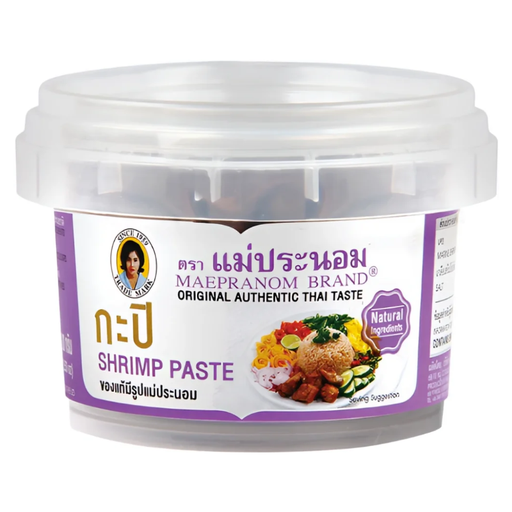
Why This Fits Their Persona: A compact 100g tub suits first-time buyers who want to try Thai cooking without committing to a large container. It is intended for use in curry pastes, sauces and stir-fries.
The ingredient list identifies shrimp at 65% and salt, making it clear that this is a concentrated cooking ingredient rather than a complete dipping sauce.
Thailand is listed as the country of origin; refrigerate after opening and use small quantities in recipes.
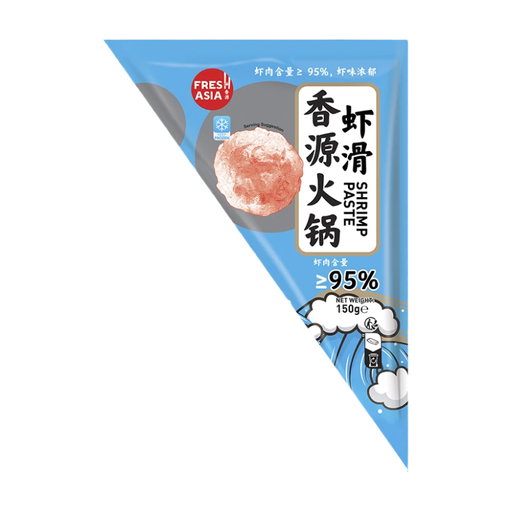
Why This Fits Their Persona: This frozen option is suited to shoppers prioritising a clearly stated seafood proportion and a bouncy texture for hotpot meals, soups or boiling.
The product specifies 95% shrimp and explains that it should be scooped into simmering broth until floating and fully opaque.
Provides 12g protein per 100g; store frozen at -18°C or below and do not refreeze after defrosting.
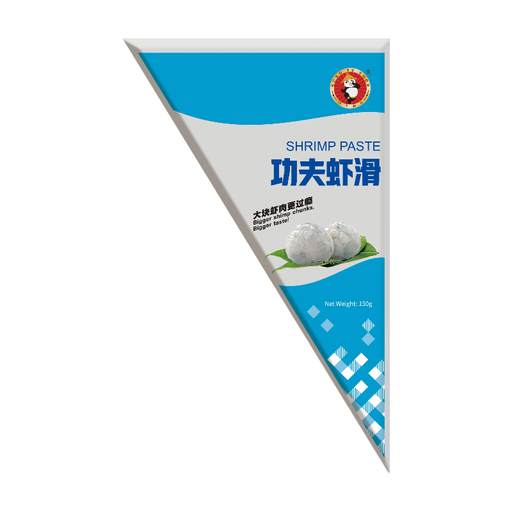
Why This Fits Their Persona: Designed for regular hotpot cooks who also want an option for frying. Its 80% shrimp and 10% fish surimi formulation provides a clearly defined seafood base.
The label identifies shrimp, fish and egg allergens, helping households check suitability before serving a shared hotpot.
Suitable for hotpot and frying; it must be kept at or below -18°C and cooked thoroughly before eating.
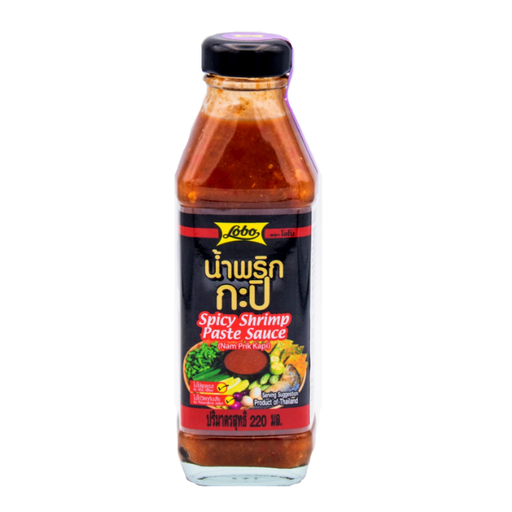
Why This Fits Their Persona: A practical choice for anyone wanting a Thai-style dipping sauce without mixing a recipe from separate ingredients.
It is labelled ready to eat, so it is not mistaken for uncooked frozen shrimp paste. The bottle also gives clear refrigeration guidance after opening.
Made in Thailand; includes chilli, garlic, lime juice and dried shrimp, and can be used with vegetables, rice and grilled food.
We have compiled a complete, real-time list of products that fully satisfy these strict selection criteria and UK safety regulations.
For fermented Thai shrimp paste, begin with a small amount and fry it briefly if the recipe recommends this. It can be blended with chilli, lime, garlic or sugar to create a Thai-style dip. A ready-made spicy shrimp sauce can be spooned over rice, vegetables or noodles, but check its salt and chilli content before adding more seasoning.
Frozen hotpot shrimp paste should be handled as a raw seafood product unless the packaging states otherwise. Use clean utensils, follow the stated cooking time and avoid eating it uncooked. Once defrosted, follow the product’s specific refrigeration and consumption instructions.
The terms are often used interchangeably in UK food listings. However, products differ in recipe and format. Some are fermented shrimp seasonings, while others are fresh frozen seafood mixtures intended for hotpot, boiling or frying. Always check the ingredients and cooking instructions.
There is no single lifespan for every product. Shelf-stable jars commonly need refrigeration after opening, and some sauces specify a period such as 21 days or four weeks. Keep the container tightly sealed, use clean utensils and follow the best-before and storage information on the packaging.
Yes, but choose a frozen product specifically marked for hotpot or cooking. Scoop it into simmering broth and cook until fully opaque and thoroughly hot. Ready-to-eat Thai sauces and fermented pastes are generally used as seasoning or dipping accompaniments rather than dropped into the broth as raw seafood.