
24/7 Customer Support

Free returns

Same-day & Next-day Delivery

Quality Guaranteed

Unlock Your Welcome Offers: FREE Delivery | Up to 80% OFF | Free 30-day JoyPlus trial
Download the APP
Shopping for Sichuan food products in the UK can be difficult when similar-looking sauces, noodles and snacks differ significantly in ingredients, preparation and storage. A product described as “Szechuan” may deliver chilli heat but little of the fragrant, tingling sensation associated with Sichuan peppercorns. Others may appear convenient while requiring freezing, boiling or refrigeration after opening.
This guide helps you compare Sichuan snacks, Sichuan sauces, peppercorn products, noodles, hot pot ingredients and ready meals using information that matters at home.
Sichuan cooking is not defined by heat alone. Sichuan peppercorns contribute a distinctive aromatic and tingling sensation, while chilli, fermented bean paste, garlic, ginger, vinegar and soy sauce build further flavour. A sauce with a high chilli percentage may still contain only a small amount of Sichuan peppercorn.
Check the ingredient list and, where provided, the quantitative ingredient declaration. For example, Ji Xiang Ju Mala Sauce lists 39% chilli peppers and 2% Sichuan peppercorns, making its flavour profile clearer than a product using only broad terms such as “spicy seasoning”.
Sichuan sauces and instant meals are often concentrated. Comparing calories alone can be misleading: salt, fat and serving size may have a greater effect on how you use the product.
For example, the listed nutrition for RISHIJI Sichuan Peppercorn & Small Seafood-Flavoured Dipping Sauce shows 9g of salt per 100g, while Ji Xiang Ju Mala Sauce lists 15.19g per 100g. These figures do not mean you must avoid the products, but they do support using smaller quantities and balancing meals with plain noodles, vegetables or rice.
Common allergens in this category include soya, wheat, gluten, sesame, peanut, celery and seafood. Frozen Sichuan ready meals and dumplings also require enough freezer space and reliable cold-chain delivery.
Read the current packaging before eating, particularly if you have an allergy or intolerance. Storage instructions vary: some sauces require refrigeration after opening, while frozen products should be kept at -18°C or below and not refrozen once thawed.
Choose between:
Yaomazi Sichuan Peppercorn Oil is listed with either rapeseed oil and Sichuan pepper, or soybean oil and green Sichuan pepper, depending on the product listing. Always check the specific ingredient panel, as these are separate product versions.
A ready-to-use sauce can be poured over cooked ingredients, whereas a concentrated paste normally needs cooking. AHG Szechuan Hot & Sour Soup Paste should be mixed with approximately 300–400ml of water or stock, boiled and simmered with selected ingredients. It should not be eaten raw.
For quick meals, check preparation time and equipment. Some Sichuan noodles need boiling water and draining; frozen momos require steaming; self-heating rice bowls use a separate heating pack and need careful handling.
A small 24g pepper powder bottle suits occasional cooking, while a 250ml peppercorn oil bottle is more practical for frequent noodles, salads and hot pot meals. Multi-pack noodles may offer convenience for households, but seasoning sachets can be high in salt, so using only part of the packet is a simple way to adjust intensity.
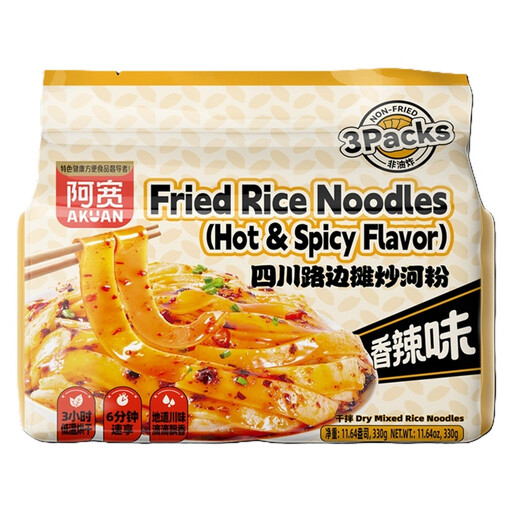
Why This Fits Their Persona: A three-pack gives new shoppers a straightforward way to try Sichuan-style noodles without buying several separate sauces and seasonings.
Separate oil and seasoning packets let you adjust the amount rather than automatically using the full seasoning quantity.
Non-fried rice noodles; three 110g packs; preparation uses boiling water and a 5–6 minute standing time.
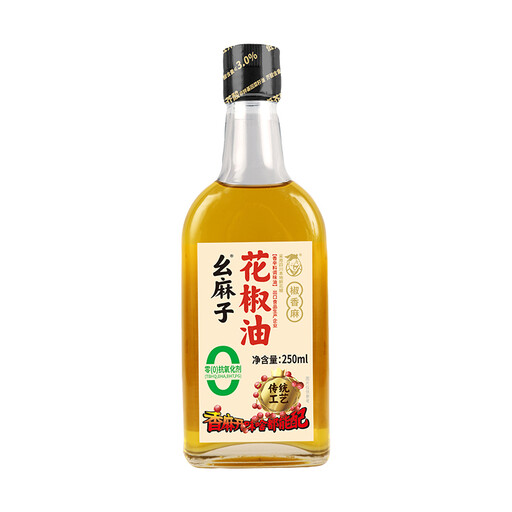
Why This Fits Their Persona: A dedicated peppercorn oil suits cooks who want to control the finishing aroma across several Sichuan dishes.
The listed ingredients are rapeseed oil and Sichuan pepper, making it easier to identify the source of the pepper flavour.
250ml bottle; suitable for noodles, cold dishes, dipping sauces, stir-fries and hot pot; zero listed salt per 100ml.
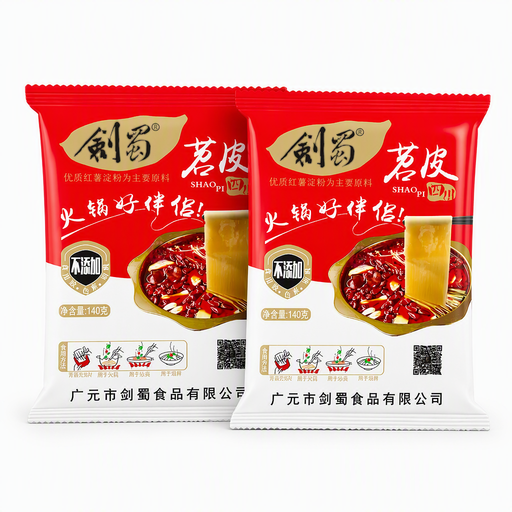
Why This Fits Their Persona: Regular hot pot cooks can keep these shelf-stable noodles ready for group meals, stir-fries or chilled salads.
The two-pack format and stated uses make the quantity and intended cooking methods clear before purchase.
Made primarily with sweet potato and tapioca starch; chewy texture; suitable for hot pot, stir-frying and cold salads.
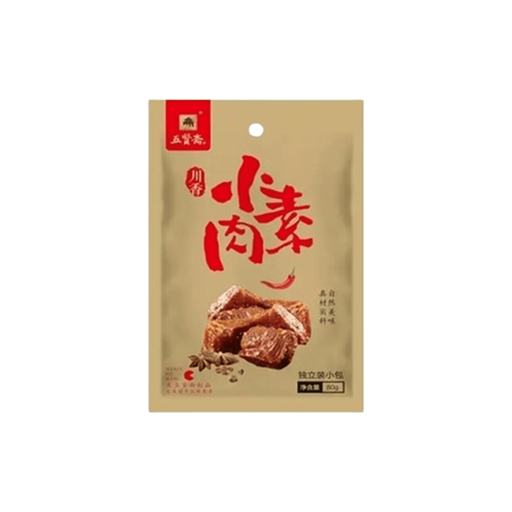
Why This Fits Their Persona: This ready-to-eat option works for vegetarians wanting a portable, spicy snack without cooking a full meal.
The listing identifies wheat gluten and soybeans, helping shoppers distinguish a plant-based product from meat snacks.
80g ready-to-eat format; listed protein content of 24.8g per 100g; refrigerate after opening.
We have compiled a complete, real-time list of products that fully satisfy these strict selection criteria and UK safety regulations.
Start with a manageable combination: Sichuan pepper powder or peppercorn oil, a ready-to-use mala sauce and noodles or rice. This allows you to build flavour gradually instead of committing to a large hot pot ingredient set. Check whether the sauce is ready to use or must be cooked, and add it in small amounts.
Use part of the seasoning sachet, dilute concentrated sauce with unsalted cooking water and add plain vegetables, tofu or an egg. Avoid adding extra soy sauce until the dish has been tasted. Nutrition labels should be compared per 100g and per serving where both are provided.
Look for products specifically described as vegetarian, while still checking the full allergen and ingredient information. Wuxianzhai Sichuan Style Vegetarian Meat is listed as plant-based but contains wheat gluten and soybeans. Some hot and sour or Kung Pao pastes may be suitable with tofu and vegetables, but their labels should be checked for possible milk, nuts or seafood cross-contact before purchase.