
24/7 Customer Support

Free returns

Same-day & Next-day Delivery

Quality Guaranteed

Unlock Your Welcome Offers: FREE Delivery | Up to 80% OFF | Free 30-day JoyPlus trial
Download the APP
Sichuan instant noodles can deliver chilli heat, Sichuan peppercorn aroma and a satisfying chewy texture in minutes. However, packaging often makes different products look similar, while the actual noodle type, seasoning format, portion size and salt content can vary considerably.
Before buying, UK shoppers should look beyond phrases such as “authentic” or “street food flavour”. The more useful questions are: Is the noodle fried or non-fried? Does it need boiling or soaking? How much seasoning can be adjusted? And is the pack size suitable for one meal or regular household use?
Sichuan cuisine is not defined by chilli alone. Sichuan peppercorn creates a distinctive tingling, aromatic sensation, often described as mala when combined with chilli. Some spicy Chinese noodles focus mainly on oil and heat, while Sichuan peppercorn noodles, dan dan noodles and Chongqing noodles may offer more layered seasoning through peppercorn, sesame, vinegar, garlic or fermented ingredients.
Check the ingredient list for Sichuan peppercorn or Sichuan pepper oil, rather than relying only on front-of-pack wording.
Preparation varies. Some products require a saucepan, while others can be soaked in a bowl. For example, the Huiji You Ni Yi Mian Meat Sauce Sichuan Peppercorn Stir-Fried Noodles require 800ml of boiling water and six minutes of cooking before draining and mixing. By contrast, the Lamianfan Chongqing Small Noodles cup is designed for boiling water and a four-minute covered preparation.
This distinction matters in university accommodation, an office kitchen or a small London flat where hob access may be limited.
A single 95g or 110g pack may suit a quick lunch or snack, whereas a multi-pack instant noodles bundle is more practical for regular meals. Seasoning sachets can also contain a substantial proportion of the product’s salt and oil. The Lamianfan Chongqing Small Noodles 5-Pack, for instance, lists 5.7g of salt per 100g, while other products have different declared values.
Use the nutrition panel as a comparison tool and consider adding only part of the oil or powder sachet if you prefer a milder bowl.
Look for the stated water volume, cooking time and draining instructions. Dry-tossed noodles generally need the water removed before sauce is added, while cup noodles are usually designed to retain some broth or moisture.
For a desk-friendly option, a cup format such as Lamianfan’s 113g serving takes four minutes with boiling water. For a more traditional texture, products requiring three to eight minutes of boiling may be preferable.
Multiple sachets can create more layered flavour, but they also make preparation less straightforward. Instant dan dan noodles may include sesame paste, soy sauce, chilli oil, pickled vegetables and Sichuan pepper oil. Chongqing noodles may include pea or bean components, dried vegetables and a spicy sauce.
Check whether the oil is added before or after cooking and whether sachets can be adjusted separately. This is useful when sharing food with someone who prefers less heat.
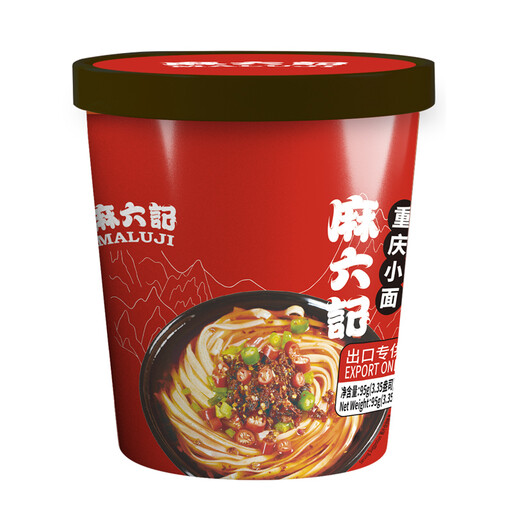
Why This Fits Their Persona: A compact single serving for shoppers trying Chongqing-style flavour without committing to a larger multipack. It includes spicy aromatic oil and a vegetable packet for a quick meal or snack.
The 95g format makes portion planning clear, while the ingredient list identifies chilli, sesame and Sichuan pepper. Review the label carefully if you have allergies.
Single serving; includes oil, seasoning and vegetables; suitable for custom toppings.
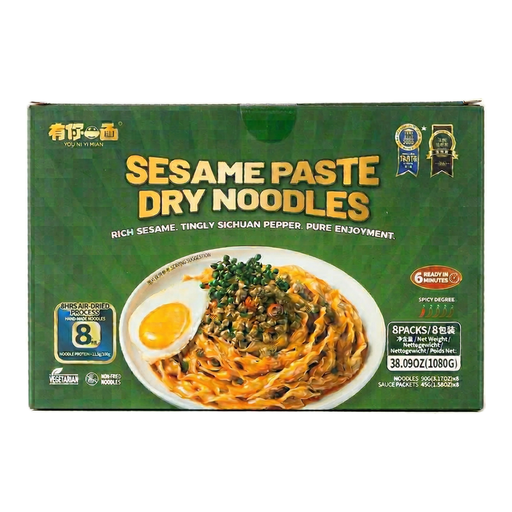
Why This Fits Their Persona: A larger pack for Sichuan food enthusiasts who prioritise semi-dried fresh noodles and a firm texture. Eight individual 135g portions suit planned lunches and dinners at home.
The product specifies non-fried, semi-dried noodles and separate sauce components, making the texture and preparation format clearer than a generic “instant” description.
Eight single portions; non-fried noodle format; Sichuan pepper, chilli and sesame seasoning.
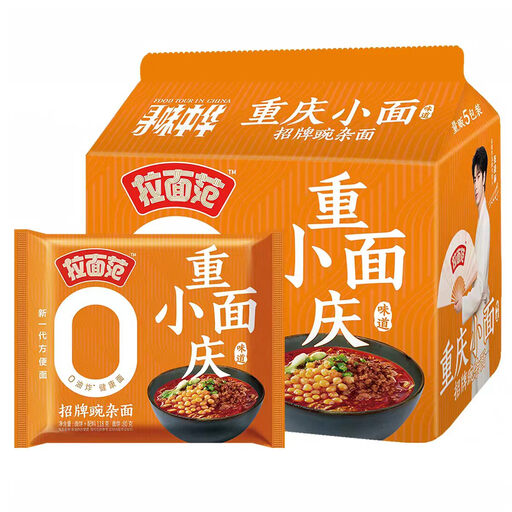
Why This Fits Their Persona: A five-pack designed for households, shared kitchens and busy professionals who want repeatable quick noodle meals. The pea and bean seasoning gives it a different profile from standard chilli-only noodles.
The pack states five portions, a three-minute cooking method and a non-fried noodle cake. Its declared salt value is 5.7g per 100g, so portion and sachet choices should be considered.
Five-pack format; ready in four minutes by the cup method; includes peas and dried vegetables.
We have compiled a complete, real-time list of products that fully satisfy these strict selection criteria and UK safety regulations.
No. Heat levels vary by recipe and sachet quantity. Sichuan peppercorn adds aroma and a tingling sensation, while chilli provides heat. Starting with part of the oil sachet allows easier adjustment.
Not necessarily. Preparation depends on the noodle format. Some non-fried noodles cook in around three minutes, while semi-dried noodles may require six to eight minutes. Always follow the product’s instructions rather than judging by the “non-fried” description.
A single pack suits occasional lunches or snacks. A four- or five-pack works for repeat use, while an eight-pack such as HUI JI Youyimian is more suitable for households or shoppers planning several servings. Check net weight, servings per pack and the best-before information before purchasing.