
24/7 Customer Support

Free returns

Same-day & Next-day Delivery

Quality Guaranteed
Download the APP
Categories
If you've ever experienced that electrifying, tingling sensation in a truly authentic Sichuan dish, you've met the soul of the cuisine: the Sichuan peppercorn. This unique ingredient is the source of the famous málà (麻辣) flavour profile, a combination of numbing (má) and spicy (là). Yet, for many home cooks in the UK, capturing this distinct taste can be a challenge. Navigating the options—whole, ground, or oil—and knowing which to choose for your mapo tofu or hot pot can be confusing.
As a Joybuy Product Recommendation Officer, my role is to help you find the right ingredients for your culinary adventures. This guide will walk you through the different forms of Sichuan peppercorn, offer practical tips for selecting the right one and present our top recommendations to help you bring the vibrant flavours of Sichuan cooking into your kitchen.
Before adding an item to your basket, understanding the key differences between the available forms will ensure you get the perfect result for your recipe. This is more than just a spice; it's a versatile ingredient that shines in different preparations.
Whole Sichuan Peppercorns: These are the dried husks of the prickly ash tree. For the most potent and aromatic flavour, whole Sichuan peppercorns should be lightly toasted in a dry pan before being ground. They are essential for infusing oils and broths, making them a key component for authentic hot pot ingredients and homemade chilli oil. The process of toasting and grinding releases their full, complex aroma just before use.
Sichuan Pepper Powder: For convenience, Sichuan pepper powder is a fantastic time-saver. This pre-ground spice can be sprinkled directly into stir-fries, used in marinades, or mixed with salt to create a classic dipping condiment for fried foods. It provides the signature numbing effect without the extra step of grinding.
Sichuan Pepper Oil: This is perhaps the easiest way to introduce the málà sensation to your cooking. Sichuan pepper oil is an infused oil that can be drizzled over finished dishes like noodles, dumplings, or cold appetisers. It acts as a finishing touch, adding an instant layer of fragrance and that characteristic tingle.
The term Sichuan peppercorn (or Szechuan pepper) actually covers a few varieties, most commonly red and green. Red peppercorns tend to have a warmer, more floral aroma and a slightly less intense numbing effect. Green peppercorns, on the other hand, offer a brighter, more citrus-forward fragrance and a more pronounced numbing quality. The choice between them often comes down to the specific dish and personal preference.
Based on product specifications and suitability for home cooks, here are our recommendations for adding authentic Sichuan flavour to your pantry.
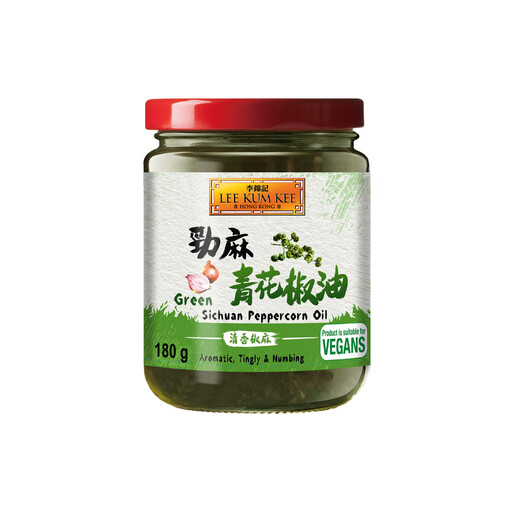
LEE KUM KEE Green Sichuan Peppercorn Oil 180g
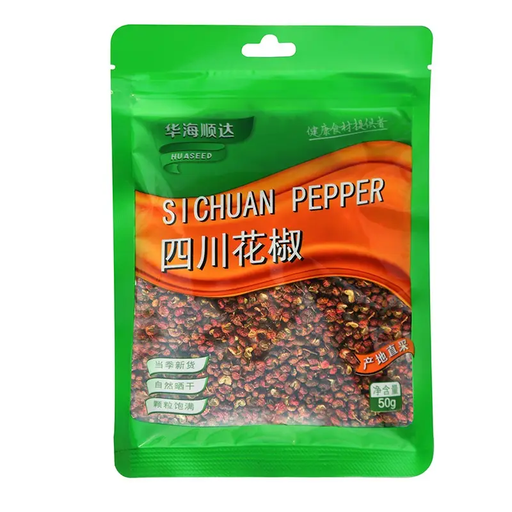
HUASEED Sichuan Peppercorns 50g
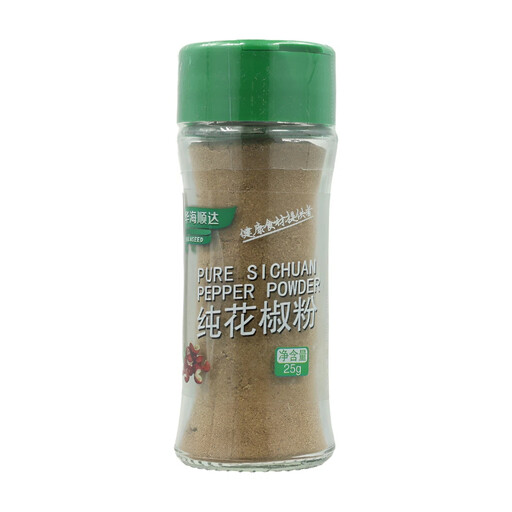
HUASEED Pure Sichuan Pepper Powder 25g
The world of Sichuan cuisine is rich with complex flavours. Beyond the essential numbing pepper, authentic dishes often call for ingredients like Pixian chilli bean paste (Doubanjiang), fermented black beans (Douchi) and various chilli oils.
If you're ready to expand your pantry and explore further, browse our curated collection of Sichuan seasoning to find everything you need for your next culinary creation.
No, they are entirely different. Black pepper (from the Piper nigrum plant) provides a sharp heat. Sichuan pepper (from the Zanthoxylum genus) is not technically a pepper but a dried berry husk. It provides a unique tingling, numbing sensation and has a distinct citrus-like aroma. They are not interchangeable in recipes.
The primary sensation is a tingling numbness known as má. This is not a flavour in the traditional sense but a physical feeling on the tongue and lips. This is accompanied by fragrant, citrusy and sometimes piney aromatic notes. When combined with chillies, it creates the famous málà (numbing and spicy) profile that defines Sichuan cuisine.
For the best results, place the whole Sichuan peppercorns in a dry frying pan over low heat. Toast them for a few minutes, stirring frequently, until they become highly fragrant. Be careful not to burn them. Once cooled, you can grind them into a powder using a spice grinder or pestle and mortar. This freshly ground powder can then be used to season dishes, or the whole toasted peppercorns can be used to infuse cooking oil.