
24/7 Customer Support

Free returns

Same-day & Next-day Delivery

Quality Guaranteed

Unlock Your Welcome Offers: FREE Delivery | Up to 80% OFF | Free 30-day JoyPlus trial
Download the APP
Sichuan peppercorn products can make a quick bowl of noodles or a hot pot meal far more characterful, but the differences between oils, sauces and ready-to-cook meals are easy to overlook. UK shoppers may buy a large jar that is too salty for everyday use, an oil with a weak pepper aroma, or noodles that require more preparation than expected.
Before choosing, watch for three common pitfalls:
For a direct peppercorn flavour, check the quantitative ingredient declaration where available. The Yaomazi oil made with rapeseed oil lists 40% Sichuan pepper, while another version contains 33% green Sichuan pepper in a soybean oil base. These percentages offer a clearer comparison than phrases such as “extra aromatic”.
The type of peppercorn also affects the flavour profile. Green peppercorn is commonly associated with a fresh, pronounced numbing sensation, while red varieties may provide a deeper, warmer aroma. For cold salads, Sichuan-style noodles and dipping sauces, a clear finishing oil is usually more practical than a heavily flavoured cooking oil.
Traditional pressing or low-temperature processing may be relevant to shoppers prioritising aroma. However, treat these as production details rather than guarantees of personal taste. The most useful check is whether the ingredient list and recommended uses match your intended dishes.
A Sichuan mala sauce is normally a blend rather than a single spice. The Ji Xiang Ju sauce lists 39% chilli peppers and 2% Sichuan peppercorns, alongside broad bean paste, garlic, ginger and pickled mustard tuber. This makes it suitable for stir-fries, noodles, dips and hot pot, but its stated salt content is 15.19g per 100g.
That figure matters when planning portions. Use a small amount first, then adjust with water, stock, vegetables or plain noodles. If you are comparing a spicy Sichuan sauce with a lighter Sichuan dipping sauce, check sugar and salt as well as chilli. The RISHIJI seafood-flavoured sauce lists 24.4g sugars and 9g salt per 100g, so it is better treated as a measured dressing than poured freely over every meal.
Ready-to-cook noodles are convenient because the sauce packets remove the need to buy several separate ingredients. Check whether the pack contains wheat, soy, sesame or other allergens before serving. The Hui Ji noodles contain wheat and soybeans, while the LEE KUM KEE noodles contain soybeans, wheat and sesame and may contain eggs.
Also check storage instructions. Unopened oils and sauces generally need a cool, dry or dark place away from direct sunlight. Once opened, follow the packaging guidance carefully; some ready-to-use dipping sauces should be refrigerated and consumed promptly.
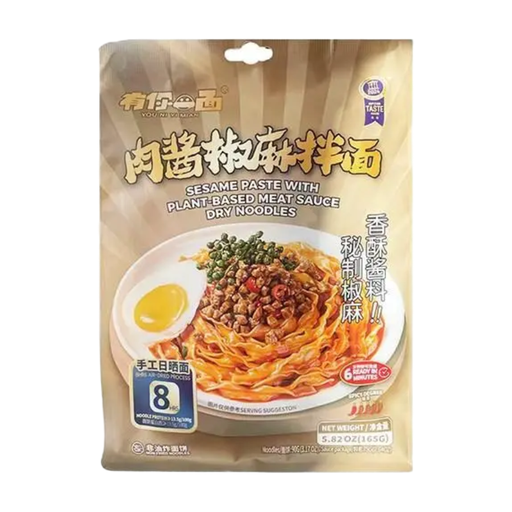
Why This Fits Their Persona: A practical entry point for UK shoppers who want a quick Sichuan-style noodles meal without buying separate oil, sauce and seasonings. Cook, drain and combine the included packets.
The 135g format makes the portion and preparation requirements clear, while separate sauce packets let you adjust the seasoning rather than committing to a whole jar.
Includes noodle, Sichuan peppercorn, pork and seasoning sauce packets; suggested toppings include cucumber, peanuts or an egg.
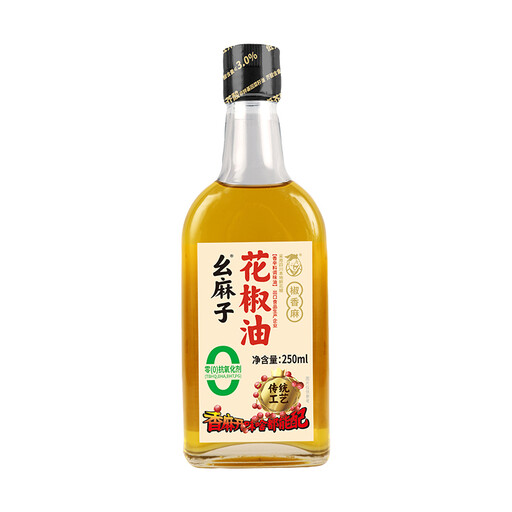
Why This Fits Their Persona: Suitable for cooks who want to control the amount of oil and pepper aroma across several dishes, from cold noodles to hot pot and stir-fries.
The listed ingredients are rapeseed oil at 60% and Sichuan pepper at 40%, making the formula easier to assess than a vague “spicy oil” description.
250ml glass bottle; no allergens are listed; recommended for finishing cold dishes, noodles, dips, stir-fries, hot pot and barbecue.
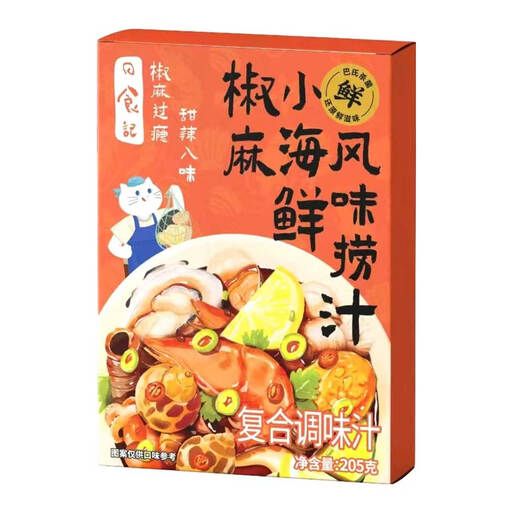
Why This Fits Their Persona: Designed for shoppers who regularly prepare seafood, shellfish or chilled salads and want a ready-to-use dressing rather than a general-purpose mala paste.
Its instructions specify approximately 1kg of ingredients per 205g bag and a 10-minute resting period, helping prevent over-pouring.
No heating is required; lemon juice adds acidity; the pack can be diluted with water and should be refrigerated after opening.
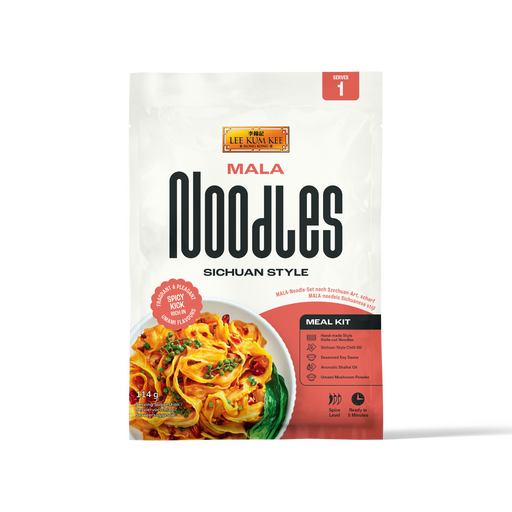
Why This Fits Their Persona: A convenient cupboard option for lunches, late dinners or student kitchens where a complete sauce set and wide noodles are useful.
The product clearly identifies its dry stir-fried format and complete sauce packet, so it is not mistaken for a soup noodle or separate chilli oil.
114g pack with wide knife-cut noodles, seasoned soy sauce, peppercorn chilli oil, shallot oil and mushroom seasoning.
For a flexible pantry, pair one Sichuan peppercorn oil with a jar of Sichuan mala sauce. The oil can finish salads, noodles and hot pot, while the sauce provides chilli, bean paste and aromatics for stir-fries. If you mainly cook seafood or cold dishes, a dedicated Sichuan dipping sauce may be more suitable than a salty hot pot sauce.
Read the full label before purchasing, particularly for soy, wheat, sesame and gluten allergens. Heat levels and the numbing sensation can vary, so start with a small quantity when serving guests or adapting a recipe.
We have compiled a complete, real-time list of products that fully satisfy these strict selection criteria and UK safety regulations.
Sichuan peppercorn oil is a pourable finishing ingredient, usually used to add aroma and a numbing sensation to noodles, salads, dips and cooked dishes. Spicy Sichuan sauce is thicker and often includes chilli, bean paste, garlic, ginger, soy and other seasonings. It contributes both flavour and salt, so use it more selectively.
For cold dishes, drizzle it directly over noodles, cucumber or salad. For stir-fries, braises, barbecue and hot pot, add it towards the end of cooking, as indicated on the product instructions, to retain more of its pepper aroma. Begin with a teaspoon and adjust to taste.
Shelf life depends on the product and packaging. Keep unopened products in a cool, dry or dark cupboard according to the label. After opening, follow the stated storage instructions; some sauces require refrigeration and prompt consumption. Always check the best-before information printed on the packaging.