
24/7 Customer Support

Free returns

Same-day & Next-day Delivery

Quality Guaranteed

Unlock Your Welcome Offers: FREE Delivery | Up to 80% OFF | Free 30-day JoyPlus trial
Download the APP
Sichuan peppercorn products can transform simple noodles, stir-fries and hot pot into dishes with a distinctive citrus aroma and tingling “ma la” sensation. However, the range includes whole spices, granules, powders, infused oils, chilli sauces and ready-to-eat meals, each suited to a different cooking style.
The main shopping challenge is knowing whether you are paying for useful flavour, convenient preparation or simply attractive packaging. Before choosing, check the ingredient list, peppercorn quantity, storage instructions and intended use.
Sichuan peppercorn is not the same as a conventional chilli. Chilli mainly contributes heat, while Sichuan peppercorn is associated with a fragrant, citrus-like aroma and a numbing or tingling sensation. A sauce with a high chilli percentage may be hot but contain only a small amount of Sichuan peppercorn.
For example, the Ji Xiang Ju Mala Sauce contains 39% chilli peppers and 2% Sichuan peppercorns. This makes it suitable for shoppers seeking a prepared, spicy mala sauce, but it may not suit someone looking primarily for a strong peppercorn aroma.
Infused oils vary considerably. Compare the declared peppercorn percentage rather than relying only on terms such as “intense” or “traditional”. ChuanLaoHui Green Sichuan Peppercorn Oil states a minimum of 5% green Sichuan peppercorn, while the red version lists 8% Sichuan peppercorns. Yaomazi products list higher declared quantities, depending on the bottle formulation.
Green peppercorn oil, often associated with a fresher and lighter aroma, may work well in cold dishes and dipping sauces. Red Sichuan peppercorn oil can provide a deeper, more pronounced seasoning profile. Neither is automatically suitable for every recipe.
Prepared Sichuan sauces and noodles can contain wheat, soya or sesame. Some seasoning products also include flavour enhancers or preservatives. Always read the UK packaging before purchase, particularly when cooking for children, guests or anyone managing food allergies.
Salt levels can also differ sharply. The Ji Xiang Ju Mala Sauce lists 15.19g of salt per 100g, while an oil containing only vegetable oil and peppercorn ingredients may list no salt. Ready-to-eat Sichuan noodles are convenient, but their sauce packets can make them substantially more seasoned than a homemade dish.
Choose dried Sichuan peppercorns if you want control over the preparation. Whole peppercorns can be dry-toasted, infused into oil or added to broths and braises. Granules release flavour more quickly and are convenient for hot pot seasoning, marinades and stir-fries. Powder is ready to sprinkle into soups, dipping sauces and Sichuan noodles.
Look for a clear ingredient declaration. Products such as Fang Jia Pu Zi Dried Sichuan Peppercorns list 100% dried Sichuan peppercorn, while HUASEED Dahongpao Sichuan Pepper Granules list 100% Sichuan pepper granules. A single-ingredient product makes it easier to adjust flavour without adding extra salt, sugar or chilli.
Sichuan peppercorn oil is generally used as a finishing oil or seasoning oil rather than a replacement for everyday cooking oil. Check:
A 150ml bottle may suit occasional use, while a 250ml or 360ml bottle is more practical for households that regularly prepare cold dishes, noodles, hot pot dips or stir-fries. Add oil near the end of cooking when the label recommends it, as prolonged high heat may reduce its fresh aroma.
A Sichuan chilli sauce or mala sauce is convenient for noodles, dumplings, stir-fries and hot pot. Compare the balance of chilli, peppercorn, broad bean paste, soya sauce, sugar and salt. A ready-to-use sauce is quick, but a dry spice or oil gives you more control over the final taste.
For instant noodle products, check whether the pack requires brewing or boiling, the recommended water volume and the number of portions. The ISDG Instant Japanese Soba Noodles require hot water and approximately five minutes of steeping. Hui Ji Youyimian Sichuan Pepper Noodles provide eight individual 135g portions, which may suit regular family use more closely than single-serve cups.

Why This Fits Their Persona: A small 24g bottle offers a straightforward way for UK home cooks to try Sichuan seasoning without buying a larger pack.
The ingredient list identifies Sichuan pepper as the product ingredient, making it easier to distinguish from a chilli-heavy sauce.
Ready-ground format; suitable for marinades, soups, stir-fries and hot pot dips.
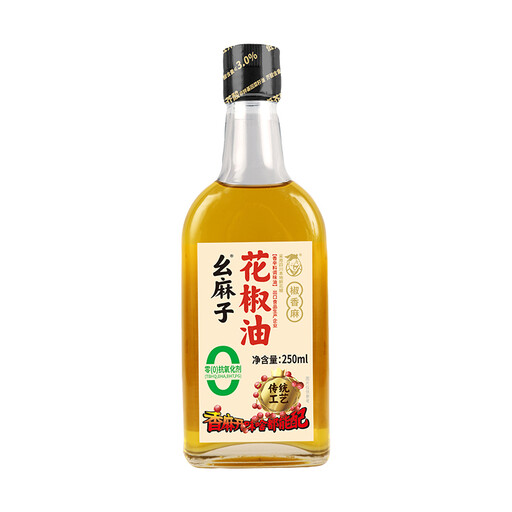
Why This Fits Their Persona: Suitable for cooks who want a declared peppercorn percentage and a larger bottle for repeated use across Chinese dishes.
The listed formulation specifies rapeseed oil and Sichuan pepper, with a declared pepper quantity of 40% for this product listing.
250ml format; suitable for noodles, cold dishes, dipping sauces, stir-fries and hot pot.
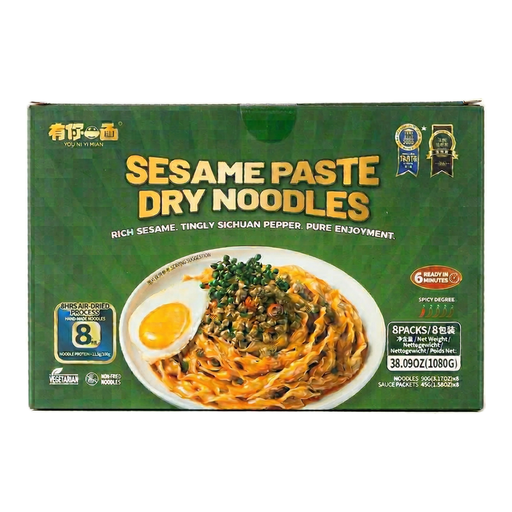
Why This Fits Their Persona: Designed for households, students or frequent noodle eaters who want portioned Sichuan-style meals without mixing a sauce from scratch.
The pack clearly states eight individual 135g portions and provides cooking instructions, helping buyers assess quantity before ordering.
Semi-dried, non-fried noodles; individual portions; included sauce, seasoning powder and oil packets.
Keep dried spices in a sealed container away from light, heat and moisture. Whole peppercorns generally retain their aroma better than ground spices because less surface area is exposed to air. Use clean, dry utensils and check the best-before information on the packaging.
For Sichuan peppercorn oil, close the lid tightly after opening and follow the label’s storage guidance. Some products recommend refrigeration after opening. Prepared sauces should usually be refrigerated once opened and used within the period stated on the packaging.
We have compiled a complete, real-time list of products that fully satisfy these strict selection criteria and UK safety regulations.
They can be used whole or ground in mapo tofu, hot pot seasoning, braised dishes, marinades, stir-fries, dipping sauces and Sichuan noodles. Dry-toasting whole peppercorns before grinding can release more aroma, but use moderate heat to avoid scorching.
Sichuan peppercorn oil is primarily used for fragrance and tingling sensation rather than chilli heat. However, some products include chilli or are designed to accompany spicy sauces, so check the ingredients before buying. Add a few drops first, then adjust to taste.
Shelf life depends on the product and storage conditions. Keep dry spices airtight and protected from moisture. For oils and sauces, follow the packaging instructions, close the container securely and refrigerate when advised. The aroma of opened spices and oils may gradually weaken even when the stated best-before date has not passed.