
24/7 Customer Support

Free returns

Same-day & Next-day Delivery

Quality Guaranteed

Unlock Your Welcome Offers: FREE Delivery | Up to 80% OFF | Free 30-day JoyPlus trial
Download the APP
Finding suitable Sichuan spicy sauces and seasonings in the UK can be difficult when similar-looking jars vary widely in salt, heat, texture and intended use. A sauce labelled “mala” may be strongly peppery, mainly salty or simply chilli-hot. Meanwhile, a large jar is not automatically better value if you only use a spoonful at a time.
This guide helps you compare Sichuan chilli sauce, Chinese chilli oil, mala seasoning, pickled vegetables and related cooking ingredients by checking practical details rather than relying on front-of-pack claims.
Sichuan cooking often combines chilli heat with the citrus-like aroma and tingling sensation of Sichuan peppercorns. These are different flavour characteristics. A plain chilli powder may add heat and colour but no noticeable peppercorn aroma, while a mala sauce should list Sichuan peppercorns or pepper oil among its ingredients.
Check the ingredient list for the balance that suits your cooking. For example, Ji Xiang Ju Mala Sauce lists 39% chilli peppers and 2% Sichuan peppercorns, alongside broad bean paste, garlic, ginger and pickled mustard tuber. This gives a more layered profile than a single-ingredient chilli powder.
Many Chinese cooking condiments contain oil, salt, pickled vegetables or fresh aromatics. Once opened, flavour and texture can change if the product is left in a warm kitchen cupboard. Product instructions differ, so check whether the jar should be refrigerated after opening, kept sealed or consumed promptly.
A multi-pack of small portions can be more practical for occasional diners. It reduces the time an opened pack remains exposed to air and is useful for packed lunches, congee or quick noodles.
Sichuan sauces can be concentrated. The listed salt content may be high, particularly in mala sauces, pickles and hot pot seasoning. Use the nutrition panel to decide how much additional soy sauce or salt your recipe needs.
Allergen information also matters. Common ingredients include soybeans, wheat, sesame, peanuts and mustard. For instance, Chuan Wa Zi Chilli Oil Sauce contains peanuts and sesame, while Ji Xiang Ju Mala Sauce contains soybean and wheat. Always read the current packaging, especially if cooking for guests.
For a numbing-spicy finish, look for Sichuan peppercorns, Sichuan pepper powder or pepper oil. Green pepper oil may provide a fresher, more pronounced aroma, while a blended mala seasoning can also contain salt, sugar, chilli and flavour enhancers.
For straightforward heat, chilli powder or crushed chilli may be more flexible. A product such as CUIHONG Chilli Powder combines chilli with rapeseed oil, sesame and spices, making it suitable for dry dipping, marinades, stir-fries or homemade Chinese chilli oil.
Choose according to how you cook:
Small jars are sensible for first-time buyers or households with limited cupboard space. Larger packs suit frequent hot pot diners and families who regularly prepare stir-fries or noodles. Compare the net weight with the recipe quantities you normally use, not only the shelf price.

Why This Fits Their Persona: A ready-to-eat introduction to spicy pickled vegetables for rice, porridge, noodles and simple weekday meals.
Its 188g size avoids committing to a very large jar, while the ready-to-eat format requires no separate preparation.
Crisp pickled mustard stems in chilli oil; suitable as a topping or stir-fry ingredient.
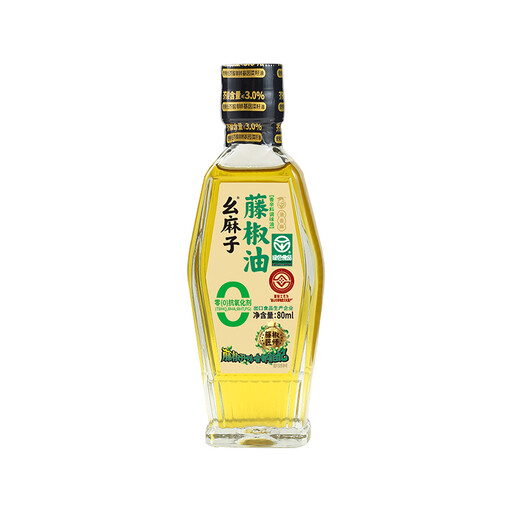
Why This Fits Their Persona: A compact option for cooks who want to control the final level of Sichuan pepper aroma dish by dish.
The ingredient list is short: rapeseed oil and green Sichuan pepper, rather than a broad blend with several flavour components.
80ml bottle; suitable for noodles, cold dishes, hot pot and stir-fries.
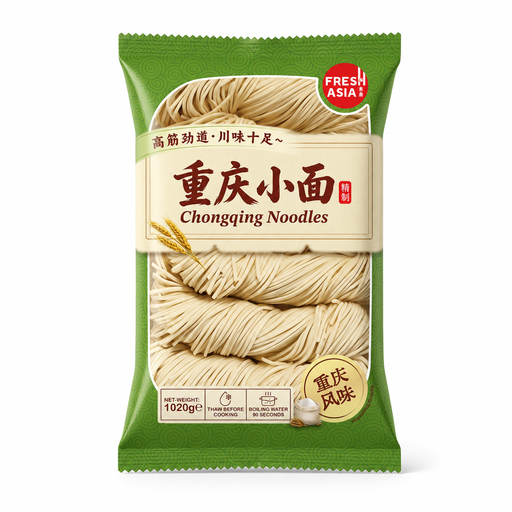
Why This Fits Their Persona: A substantial noodle base for frequent Chongqing noodles, spicy dipping sauce bowls and quick shared meals.
The 1,020g pack is suited to regular use, rather than paying repeatedly for small individual noodle portions.
Wheat flour makes up 76% of the listed ingredients; the noodles can be paired with chilli oil or mala sauce.
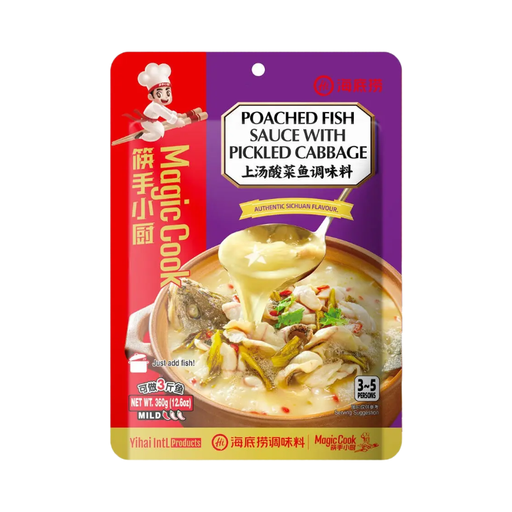
Why This Fits Their Persona: Useful for households wanting a guided route to a sour and spicy Sichuan pickled fish dish.
It is clearly positioned for pickled fish, so buyers are less likely to mistake a specialist cooking base for an everyday dipping sauce.
360g pack; includes pickled mustard tuber, chilli, garlic, ginger and Sichuan pepper.
We have compiled a complete, real-time list of products that fully satisfy these strict selection criteria and UK safety regulations.
For Chongqing noodles, combine cooked noodles with a spoonful of Chinese chilli oil, soy sauce, vinegar and Sichuan pepper powder. Add pickled vegetables for crunch.
For a spicy dipping sauce, mix chilli oil with a little black vinegar and sesame paste. Add fresh garlic only when serving, as it changes the storage requirements.
For stir-fries, start with a small amount of mala seasoning or Sichuan chilli sauce, then taste before adding salt. Pepper oil is usually added near the end to preserve its aroma.
Sichuan chilli sauce is usually a thicker blend containing chilli, oil, aromatics and sometimes bean paste or pickled vegetables. Chinese chilli oil is generally oil-based, often with chilli pieces, sesame or Sichuan pepper, and works well as a finishing condiment.
Follow the product label. Some products advise refrigeration after opening, while others require a cool, dry cupboard and prompt consumption. Use a clean spoon, keep the container sealed and check for changes in smell, colour or texture.
Not automatically. Check the allergen declaration for soybeans, wheat, sesame, peanuts and mustard. Products made on shared production lines may also carry a cross-contamination statement, so read the current UK packaging before purchase.