
24/7 Customer Support

Free returns

Same-day & Next-day Delivery

Quality Guaranteed

Unlock Your Welcome Offers: FREE Delivery | Up to 80% OFF | Free 30-day JoyPlus trial
Download the APP
A side table seems like a simple purchase, but it’s often the final piece that ties a room together. Whether you need a spot for a cup of tea, a lamp or a place to drop your keys, the right table makes a space more functional and stylish. However, the market is filled with options that look good online but fail to deliver in a real home. Many buyers find themselves with a wobbly, easily-damaged or awkwardly-sized piece of furniture.
As a Joybuy Product Recommendation Officer, my role is to help you navigate these choices. This guide cuts through the marketing jargon to focus on what truly matters, helping you avoid common pitfalls and find a table that genuinely suits your home and lifestyle.
Before you add anything to your basket, be aware of these frequent issues that lead to buyer's remorse:
end table that is much lower than your sofa arm is awkward to use, while a console table that is too deep can obstruct a narrow hallway. Functionality is lost when the dimensions are wrong for the space.To ensure you get a functional and lasting piece, focus on these key parameters.
The material dictates a table's durability, weight and maintenance needs.
wooden side table made from oak, pine or mango wood offers excellent durability and a timeless look. It's heavier, which adds stability, but can be more of an investment. Look for details on the finish, such as wax or lacquer, which protects the wood.metal side table often features in modern or industrial designs. Steel and iron frames provide great stability. Check for a powder-coated or treated finish to prevent rust and chipping, ensuring it maintains its appearance over time.marble side table is heavy, stable and luxurious, but it is also porous and requires sealing to prevent stains. High-quality marble-effect tops offer a similar aesthetic with less maintenance and at a lower cost, but it's important to verify the quality of the surface to ensure it's resistant to daily wear.A table's stability comes from its design and construction, not just its weight.
round side table, a pedestal or tripod base is often more stable than four thin, splayed legs. For a long, narrow hallway table, check for central supports or a robust frame.lamp table or for heavy books, check the stated maximum load. A sturdy build is non-negotiable for these uses.Measure your space and consider how you will use the table every day.
small table for living room use should ideally be level with or just below the arm of your sofa. A bedside table should be roughly the same height as the top of your mattress.nest of tables offers flexible surface area that can be tucked away neatly.console table with lower shelves is perfect for organising items in an entryway.Here are a few options that align with different needs, chosen because they address the common pitfalls effectively.
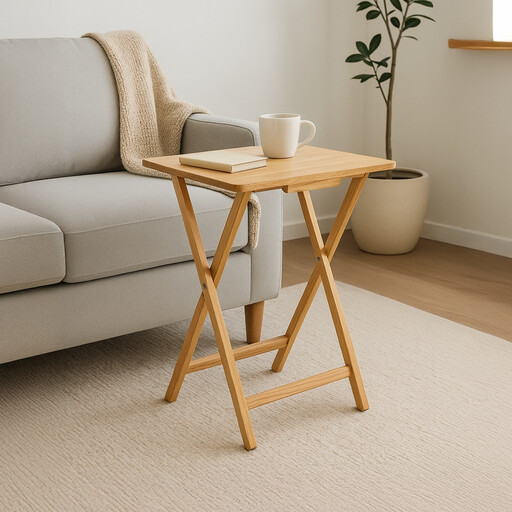
Why This Fits Their Persona: Ideal for those in flats or smaller homes who need flexibility. It serves as a temporary work surface, a snack table or an end table, and can be stored away completely when not needed.
It directly solves the "impractical proportions" pitfall for small spaces. Instead of a permanent, bulky item, its foldable design provides function on demand without cluttering the room.
Arrives fully assembled and ready to use. Its lightweight pine construction makes it easy to move and reposition anywhere it's needed.
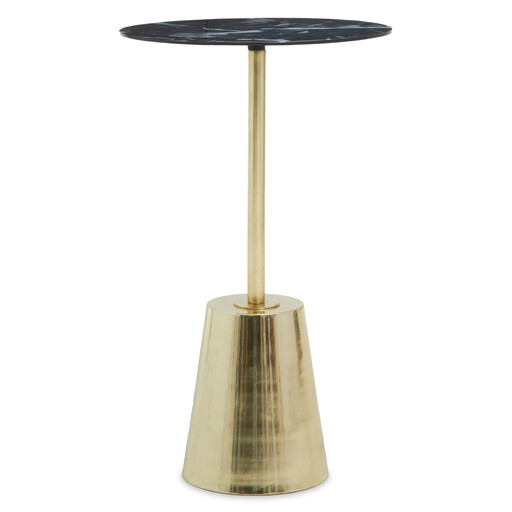
Why This Fits Their Persona: For those wanting a touch of glamour. This modern side table acts as a statement piece with its bold contrast of black marble-effect and gold metal, perfect for elevating a living room or bedroom.
It avoids the "deceptive finish" trap by offering a well-executed marble effect on a durable surface, paired with a sturdy metal base. This provides the luxe look without the high cost and porosity of real marble.
The wide, circular base provides good stability, countering the wobble factor. Its compact 38cm diameter delivers high visual impact without taking up significant floor space.
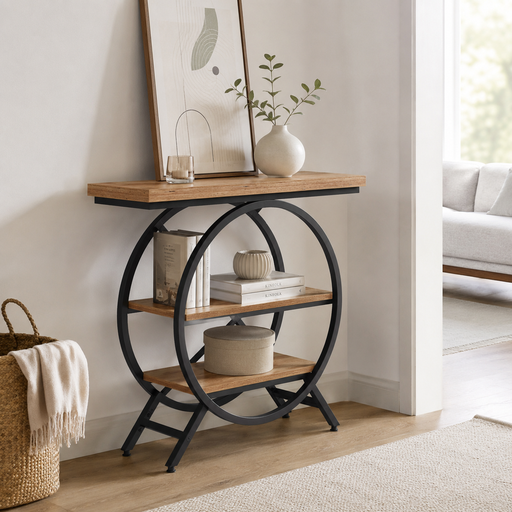
Why This Fits Their Persona: This industrial console table is perfect for high-traffic areas like hallways or behind a sofa. Its multi-tier design provides ample space for keys, mail and decorative items, helping to keep busy family homes organised.
It tackles the "wobble factor" head-on. The robust metal frame, thick particle board top and adjustable feet ensure it remains stable on uneven floors, even with a high load capacity of up to 150kg.
Offers exceptional storage with three staggered shelves, maximising vertical space. The open design keeps items accessible while the industrial aesthetic is forgiving of minor wear and tear.
We have compiled a complete, real-time list of products that fully satisfy these strict selection criteria and UK safety regulations.
Here are answers to a few common questions UK buyers have when choosing a side table.
A good rule of thumb is to choose a table that is within 5cm (2 inches) of your sofa's arm height—either slightly below or at the same level. This makes it comfortable to reach for a drink or place an item down without having to awkwardly lean up or down.
The most effective solution is to choose a table with adjustable feet. These small, screw-in levellers allow you to individually adjust the height of each leg to create a stable base on any surface. If your chosen table doesn't have them, small felt or rubber pads can be placed under the shorter leg as a temporary fix.
Weight capacity varies significantly based on material and construction. A lightweight, decorative end table might only hold 5-10kg. A sturdier wooden side table or an industrial console table with a metal frame can often support 20kg to 50kg or more. Always check the product specifications if you intend to place heavy items like a large lamp, speakers or a stack of books on it.