
24/7 Customer Support

Free returns

Same-day & Next-day Delivery

Quality Guaranteed

Unlock Your Welcome Offers: FREE Delivery | Up to 80% OFF | Free 30-day JoyPlus trial
Download the APP
For any home baker in the UK, the joy of creating a perfect pie, a batch of uniform biscuits or a beautifully decorated cake can quickly be soured by a sticky, flour-dusted countertop. A silicone baking mat with measurements seems like the perfect solution: a clean, non-stick surface that promises precision and easy clean-up. However, the market is flooded with options and many fail to deliver on their promises.
As a Product Recommendation Officer at Joybuy, I see firsthand where shoppers go wrong. Before you invest in a new dough rolling mat, it's crucial to understand the common design flaws that can turn a helpful tool into a frustrating piece of clutter.
Navigating these issues is key to finding a mat that genuinely improves your baking process.
To ensure you get a durable and reliable tool, focus on these three non-negotiable parameters. They separate the high-performers from the disappointments.
The most important factor is the material itself. Look for mats explicitly described as 100% food-grade silicone. This is a standard indicating the material is safe for contact with food and won't leach harmful substances like BPA. A quality food-grade pastry mat should be inert, meaning it won't affect the taste or smell of your bakes. It should also be thick enough to resist tearing during vigorous kneading but flexible enough to be rolled for easy storage. Heat resistance is another key benefit, allowing many mats to double as a reusable oven liner.
A truly non-slip pastry mat achieves its grip not just from the material, but from its finish. The underside should have a slightly tacky, polished texture that creates a weak static bond with your worktop. This ensures it stays firmly in place on stone, wood or laminate surfaces without needing to be taped down. When you’re rolling out a tough sourdough or a delicate pie crust mat, the last thing you want is your entire workspace shifting.
Consider the types of projects you undertake. A large silicone baking mat, typically 50x70cm or larger, provides ample space for rolling out pizza dough or large sheets of fondant for cakes. The measurement guides are equally important. Look for mats where the markings are embedded within the silicone or printed with high-grade, heat-cured ink. This ensures the concentric circles (for pies and tarts) and the ruler edges (for portioning dough) remain clear and accurate for years to come.
Instead of a generic list, we've matched specific products to different baking styles and needs. This approach helps you find a solution that truly fits your kitchen routine.
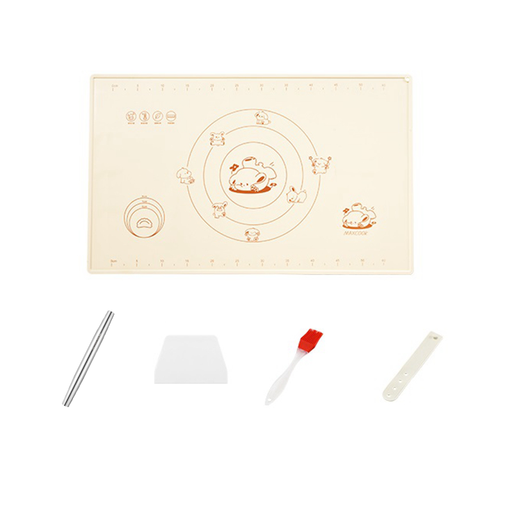
Why This Fits Their Persona: This is for the baker who wants a complete, high-quality solution straight out of the box. Ideal for those who frequently work with pastry, bread dough or fondant and require a large, stable surface and accompanying tools for a seamless workflow.
Its reinforced non-slip base directly counters the 'slipping mat' issue, while being made of 100% food-grade, BPA-free silicone addresses material safety concerns.
This is a comprehensive baking mat set, including a rolling pin and scraper. The large 50x70cm surface and clear measurement guides make it highly versatile.
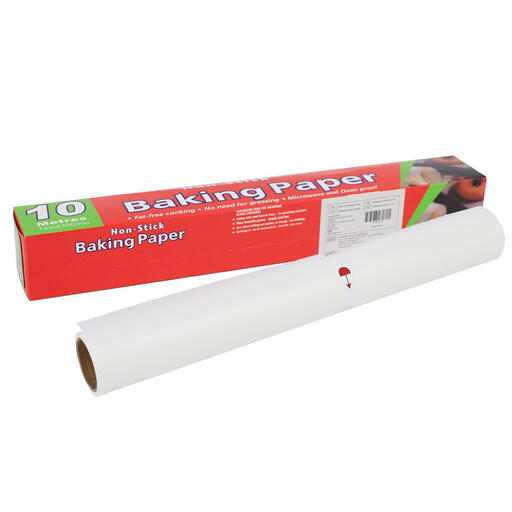
Why This Fits Their Persona: This is for the baker who prioritises speed and minimal clean-up. While not a rolling surface, it's an essential for lining tins, trays and air fryers, preventing food from sticking and making washing up much faster.
It sidesteps the issue of cleaning and maintaining a reusable mat entirely. As a disposable product, there's no risk of fading measurements or long-term wear and tear.
Extremely versatile and convenient. The 10-metre roll can be cut to fit any baking tin, loaf pan or air fryer basket, providing a reliable non-stick surface every time.
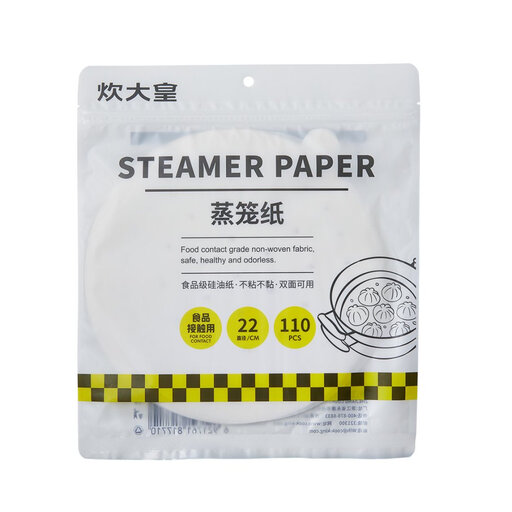
Why This Fits Their Persona: This is a specialised tool for those who love making steamed buns, dumplings and dim sum. It's not for dough prep, but for the cooking stage, where preventing delicate items from sticking to the steamer basket is the main priority.
It solves the specific problem of sticking in a high-moisture, high-heat environment where a standard silicone mat would not be used. It is purpose-built for one job and does it well.
These food-grade paper liners are pre-cut to fit standard steamers and are disposable for ultimate convenience. The 110-piece pack offers excellent value for frequent use.
We have compiled a complete, real-time list of products that fully satisfy these strict selection criteria and UK safety regulations.
For daily cleaning, simply wash your mat with warm, soapy water and a soft cloth. Avoid using abrasive scourers, which can damage the surface. For stubborn grease or residue, you can make a paste from bicarbonate of soda and water, apply it for 10-15 minutes and then rinse. To store, always roll the mat; never fold it. Folding can create permanent creases that may eventually crack.
Yes, most high-quality silicone mats are designed to be oven-safe and can function as a reusable oven liner. However, it is essential to check the manufacturer's specified maximum temperature rating, which is typically around 230°C (450°F). They are excellent for baking biscuits, scones or roasting vegetables directly on the tray, promoting even cooking and saving on washing up.
For the vast majority of home baking, the printed guides are more than sufficient. They provide excellent consistency when rolling out a fondant rolling mat to cover a cake or ensuring your pie crusts are the right diameter. While a professional patissier might still use a separate ruler for competition-level work, these mats offer a significant upgrade in precision over guesswork for everyday baking.