
24/7 Customer Support

Free returns

Same-day & Next-day Delivery

Quality Guaranteed

Unlock Your Welcome Offers: FREE Delivery | Up to 80% OFF | Free 30-day JoyPlus trial
Download the APP
Choosing silicone cake moulds can make themed baking easier, but attractive colours and claims such as “easy release” do not tell the whole story. The right mould should suit your recipes, storage space and cleaning routine, not simply look appealing online.
For UK home bakers, families and hobbyist cake makers, the most useful options are flexible enough for cakes, chocolates, jellies and frozen desserts. Before buying, check the temperature rating, cavity size, cleaning instructions and whether the mould includes useful accessories such as sticks.
Flexible silicone is useful for releasing cakes and chocolates without cracking them. However, a soft tray can be difficult to carry when filled with liquid batter. This is particularly inconvenient when transferring it to a hot oven.
A practical solution is to place the mould on a rigid baking tray before filling it. This improves stability and reduces the risk of spills. Look for dimensions that fit comfortably inside your oven and storage cupboards.
Many listings describe silicone as naturally non-stick, but release results also depend on the recipe, mould surface and cooling time. Very detailed shapes can retain crumbs or chocolate, especially if the finished food is removed too early.
A smooth interior and flexible construction support easier demoulding, but you should still follow the recipe instructions. Lightly greasing the mould may be useful for certain cakes, while chocolate and jelly often release more cleanly once fully set.
A mould may be suitable for an oven and microwave but not for a hob, grill or naked flame. Temperature ratings also vary. Several options in this guide are rated up to 230°C, while the cake pop mould described by the retailer includes information referring to both 230°C and 240°C. The product warning states a maximum of 230°C, so this lower figure should be followed.
Avoid sharp knives, metal utensils and abrasive cleaners, as these can damage silicone. A dishwasher-safe label is convenient, but handwashing may help preserve coloured surfaces over time.
For regular UK baking, check that the mould is marked as oven-safe and has a clearly stated maximum temperature. Microwave-safe cake moulds are useful for reheating or quick recipes, but they should not be used on a hob or over a naked flame unless the manufacturer specifically allows it.
Freezer-safe silicone moulds are suitable for preparing desserts ahead of an event. This is useful for frozen treats, jellies, chocolate decorations and portioned desserts. Allow hot moulds to cool before placing them in the freezer to avoid unnecessary thermal shock.
Capacity matters as much as appearance. A tray with 20 cavities is useful for parties or family baking, while a six-cavity design may be easier to fill, clean and store for occasional use.
Consider the finished shape too. Themed cake moulds, including train, gingerbread man and butterfly designs, can make children’s parties more engaging. Heart cake moulds are suited to anniversaries, Valentine’s Day and gifts, while eye-shaped chocolate moulds can create small decorative treats.
Check the external dimensions as well as cavity size. A wide tray may fit the oven but still be awkward to store in a standard kitchen drawer.
Dishwasher-safe baking moulds can reduce cleaning time, although the care instructions should take priority. Silicone with a smooth finish is generally easier to rinse than a highly textured design. For moulds used with chocolate, wash away fats promptly so they do not leave an oily residue.
Do not rely on “non-stick” wording alone. Check whether the product description specifies flexible silicone, smooth interiors, dishwasher compatibility and recommended cleaning methods.
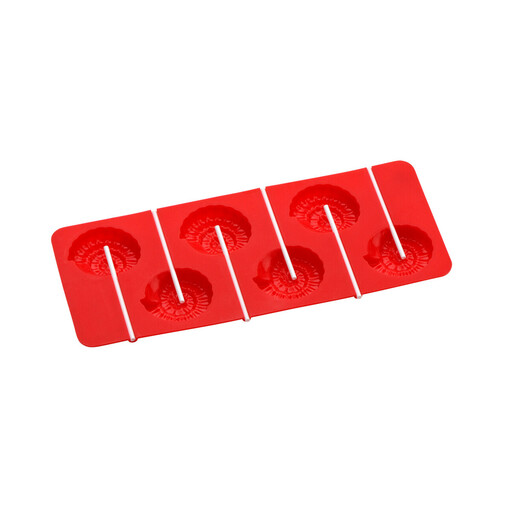
Why This Fits Their Persona: A compact option for new bakers, families and anyone who wants to try cake pops without buying a large tray.
The product specifies non-stick silicone, a 230°C heat limit and included sticks, so key compatibility details are clear before purchase.
Makes up to six shell-shaped cake pops and includes 12 polypropylene sticks; it is also suitable for oven, microwave, fridge and freezer use.
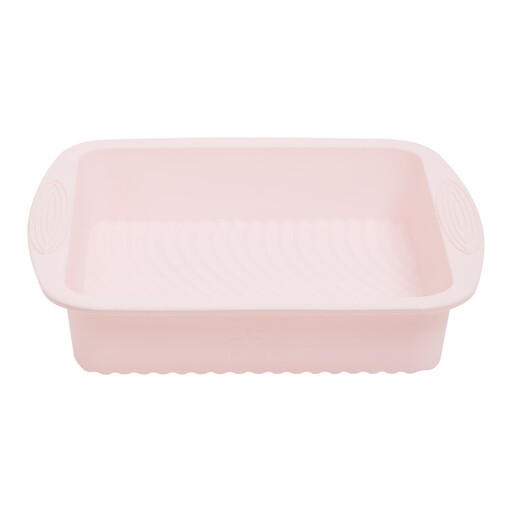
Why This Fits Their Persona: A suitable choice for bakers who want a defined decorative shape for celebrations, gifts and regular cupcake recipes.
Its six-cup design gives a clearly stated output, while the instructions recommend using a baking sheet for stability and cooling fully before release.
Made from food-grade platinum silicone with a stated 230°C maximum and six heart-shaped cups for uniform portions.
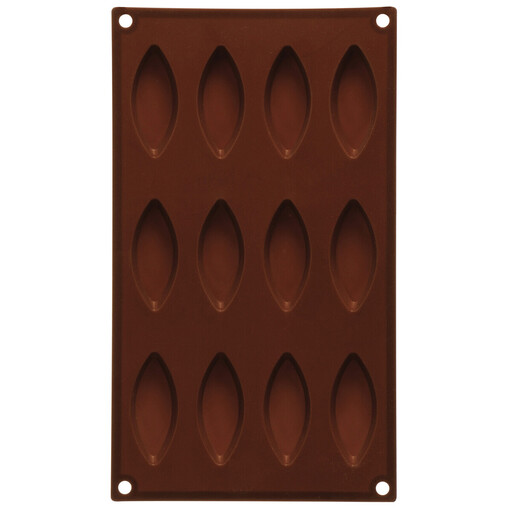
Why This Fits Their Persona: Designed for frequent dessert makers who need one mould for chocolates, sweets, jellies and chilled creations.
The listing identifies microwave, freezer and dishwasher suitability, helping buyers compare practical use rather than relying on appearance alone.
It has 12 cavities, flexible silicone for release, a 230°C heat rating and suitability for repeated baking, freezing and washing.
For child-friendly party baking, the Essentials by Premier Silicone 9 Trains Red Cake Mould and 12 Gingerbread Men Cake/Chocolate Mould offer themed alternatives. Both are described as suitable for cakes and chocolates, with dishwasher, microwave and freezer compatibility. For butterfly-shaped desserts, the Premier Housewares 804982 Butterfly Cake Moulds provide two food-grade silicone moulds in different colours and are listed as oven, microwave, freezer and dishwasher safe.
We have compiled a complete, real-time list of products that fully satisfy these strict selection criteria and UK safety regulations.
Some are, but microwave suitability must be stated in the individual product listing. Silicone cake moulds designed for microwave use should still be placed on a stable, microwave-safe plate and used within the specified temperature and handling instructions.
Their usable life depends on frequency of use, storage and cleaning. Avoiding sharp utensils, excessive heat and abrasive products helps preserve the surface. Replace a mould if it becomes torn, badly distorted or develops a persistent smell that washing does not remove.
Not always. Flexible, smooth and non-stick cake moulds can release many recipes without greasing, particularly after complete cooling. However, recipes containing low-fat batter or intricate shapes may benefit from a light coating. Follow the recipe and product care instructions for the most consistent result.