
24/7 Customer Support

Free returns

Same-day & Next-day Delivery

Quality Guaranteed

Unlock Your Welcome Offers: FREE Delivery | Up to 80% OFF | Free 30-day JoyPlus trial
Download the APP
Whether you are preparing birthday treats, weekend bakes or party food for children, silicone cake moulds can make shaping and releasing homemade creations easier. However, not every mould offers the same capacity, temperature range or handling support.
The most useful choice depends on what you bake, how often you use it and whether you need extra accessories such as cake pop sticks or a cake decorating kit. This guide explains the key specifications to check before buying, along with practical recommendations for different baking habits.
Flexible silicone helps release cakes, chocolates and shaped treats, but a very soft mould can become difficult to carry when filled with batter. This is particularly inconvenient when moving it from the worktop to the oven.
Look for integrated handles, a stable tray underneath or a design that can sit securely on a baking sheet. Always place flexible silicone baking moulds on a firm, level surface before filling.
Temperature claims can vary between listings, and some products are suitable for an oven or microwave but not a hob or naked flame. Check the manufacturer’s stated maximum temperature and follow the lower figure if product information differs.
For everyday UK baking, oven-safe silicone moulds rated to 230°C cover many cake and dessert recipes. Do not exceed the stated limit, and remember that a mould’s oven rating does not automatically make it suitable for direct heat.
A multi-cavity mould may look convenient, but a small six-cavity design will not produce enough treats for a larger party in one batch. Equally, a larger cake pop mould may take up more storage space than expected.
Check the number and size of cavities, along with what is included. Cake pop moulds supplied with cake pop sticks may offer better value than buying compatible accessories separately, particularly for children’s parties or school bake sales.
Look for clear information covering:
Microwave-safe baking moulds can be useful for quick sponge recipes, melted chocolate or reheating, but follow the recipe and appliance instructions. Silicone should never be placed directly over a gas ring or other open heat source.
A non-stick cake mould should allow a cooled bake to be released with gentle flexing rather than forceful scraping. This can reduce the need for metal utensils, which may damage the surface.
Food-grade silicone is a useful specification to look for, while flexible construction is particularly helpful for detailed shapes. Not all moulds have the same finish, so a light coating of baking spray or oil may still be appropriate for delicate recipes.
Dishwasher compatibility can save time, but check the individual product instructions. Where hand washing is recommended, use mild detergent and avoid abrasive pads. Let the mould dry fully before folding or storing.
Keep silicone away from sharp knives and utensils. Storing a mould flat can help it retain its shape, especially when it has a long rectangular form or multiple small cavities.
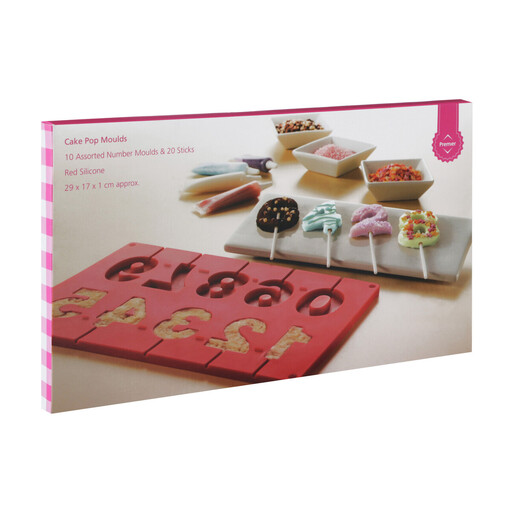
Why This Fits Their Persona: A manageable starting point for beginners, families and occasional bakers who want to make up to 10 shaped cake pops without committing to a larger set.
The stated capacity and included 20 polypropylene sticks make the contents clear, while the 230°C heat guidance sets a practical limit.
Non-stick silicone; suitable for oven, microwave, fridge and freezer use according to the product description.
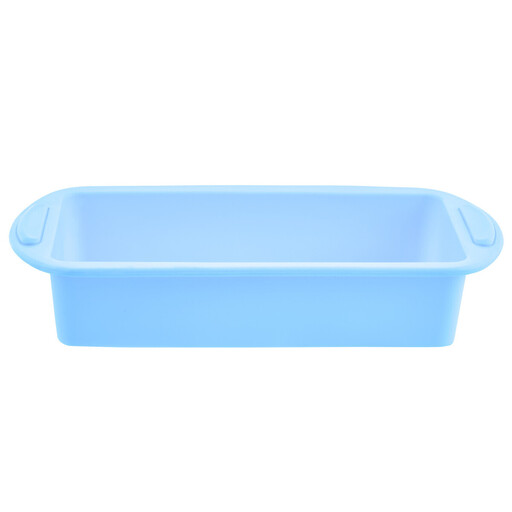
Why This Fits Their Persona: Suitable for regular home bakers making loaf cakes, breads or pound cakes who value straightforward handling and a neat rectangular result.
Integrated handles address the handling problem, while the guidance to place it on a baking sheet improves stability when filled.
100% food-grade platinum silicone; rectangular 31 cm by 17 cm format with a stated maximum of 230°C.
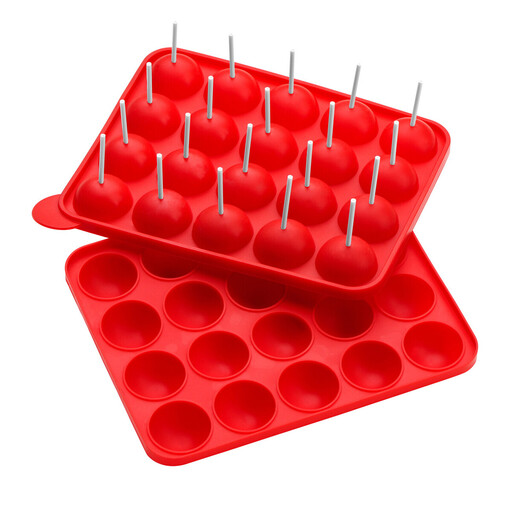
Why This Fits Their Persona: Designed for larger gatherings, party hosts and bakers who need to prepare up to 20 cake pops in one batch.
The cavity count and 40 included sticks are specified, helping avoid buying a large-looking mould with limited serving capacity.
Non-stick silicone; suitable for oven and microwave use, plus fridge and freezer storage, with a stated limit of 230°C.
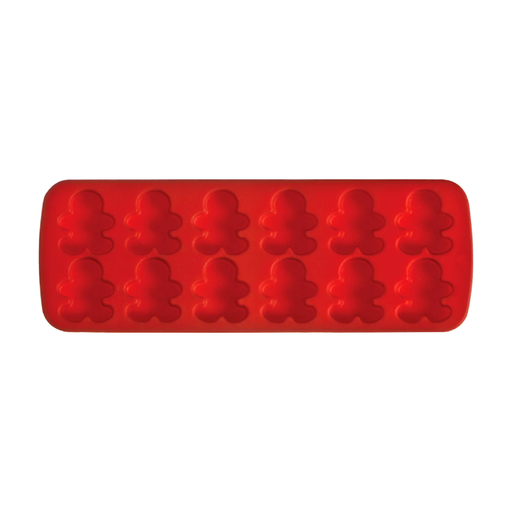
Why This Fits Their Persona: A practical option for themed parties, seasonal baking and families making small gingerbread-shaped cakes or chocolate treats.
Its 12-cavity format makes the intended output clear, while the flexible silicone supports removal of detailed shapes without sharp tools.
Suitable for cakes and chocolate moulds; dishwasher, microwave and freezer safe according to the product description.
For consistent results, follow these practical steps:
A silicone mould is not a substitute for correct oven settings. Fan-assisted ovens may require a lower temperature than conventional recipes, so follow the recipe instructions for your appliance.
Once you have selected suitable silicone cake moulds, a few accessories can expand what you make. A cake decorating kit with stainless steel piping tips can help add buttercream details, borders and lettering. Extra cake pop sticks are useful if you make multiple batches or want to reserve the supplied sticks for serving.
For chocolate work, choose moulds with shapes that release cleanly and avoid filling cavities while the mixture is excessively hot. If your main interest is shaped biscuits, a gingerbread men mould provides a more consistent outline than cutting each piece by hand.
We have compiled a complete, real-time list of products that fully satisfy these strict selection criteria and UK safety regulations.
Some are, but compatibility must be stated by the manufacturer. Check the product instructions and avoid using any mould with metal accessories in a microwave. Microwave-safe does not mean suitable for a hob or naked flame.
Lifespan depends on frequency of use, cleaning and storage. Avoid sharp objects, abrasive cleaners and excessive temperatures. Replace a mould if it develops cuts, tears, severe staining or loses its shape.
Flexible non-stick silicone often allows straightforward release, but greasing can still help with recipes containing little fat or intricate details. Follow the recipe and allow cakes to cool before removing them.