
24/7 Customer Support

Free returns

Same-day & Next-day Delivery

Quality Guaranteed

Unlock Your Welcome Offers: FREE Delivery | Up to 80% OFF | Free 30-day JoyPlus trial
Download the APP
Silicone cake moulds can make themed baking easier, but not every flexible mould delivers the same results. A low-priced option may look appealing online yet prove awkward to fill, difficult to support in the oven or too shallow for the recipe you have in mind.
Whether you are preparing birthday treats, cake pops, chocolates, jellies or frozen desserts, check the practical details before buying. The right silicone baking mould should match your recipe, equipment, storage space and cleaning routine rather than relying on colourful packaging or broad claims.
Flexible silicone helps with releasing cakes and chocolates, but a very soft mould can bend when filled. This may cause batter to spill or create uneven shapes. For larger cakes and liquid mixtures, place the mould on a rigid baking tray before filling it. This provides support when transferring it to the oven or freezer.
“Silicone” alone does not confirm the safe temperature range. Check the product specification for a stated maximum temperature and whether the mould is suitable for ovens, microwaves or freezers. Several products in this guide are listed as heat resistant up to 230°C, while some cake pop listings state up to 240°C. Do not exceed the temperature printed in the product information.
A mould suitable for the oven may also be useful for chilled desserts, but this should be clearly stated. Look for freezer-safe moulds if you plan to prepare jellies, ice cream treats or chocolate decorations in advance.
Non-stick silicone can reduce sticking, but results also depend on the recipe, cavity detail and cooling time. Greasy mixtures, caramel and very intricate designs may still need careful handling. Allow baked items to cool before flexing the mould, and avoid knives or metal tools that can damage the surface.
Look for a clearly stated material description such as food-grade silicone or durable silicone intended for baking. Product listings should also identify whether the mould is suitable for food preparation. Avoid products with unclear material information, especially when buying for children’s parties or family baking.
Silicone is useful because it is flexible, lightweight and suitable for repeated use when handled correctly. However, it can absorb strong smells or become marked by heavily coloured mixtures. Washing promptly and following the care instructions can help maintain the mould.
For everyday baking, compare the mould’s maximum temperature with your recipes and oven settings. A specification of 230°C covers many standard cake, biscuit and chocolate recipes, but it does not mean the mould is suitable for direct heat, a hob or an open flame.
Check whether the product is also:
Dimensions affect both the quantity you can make and whether the mould fits your oven, freezer drawer or cupboard. Cake pop moulds may list the number of shapes produced per batch and may include matching sticks. A 12-cavity chocolate mould is convenient for small treats, while a large loaf mould is more suitable for everyday bread and cakes.
Also check the depth. Shallow novelty cake moulds are useful for small decorative portions, whereas a deeper mould may be needed for a substantial cake. Stackable designs can be helpful in smaller UK kitchens.
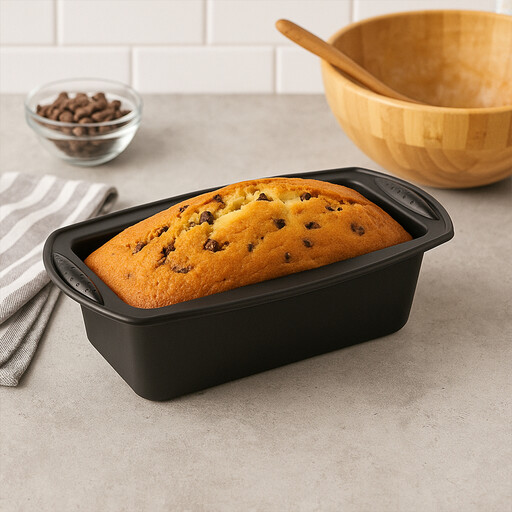
Why This Fits Their Persona: A practical starting point for households wanting one reusable mould for loaf cakes, bread and everyday baking without committing to a large themed set.
Its listed 2 lb loaf format gives a clearer capacity reference than an unspecified “large” mould, and it is designed to be used on a stable surface.
Flexible silicone; listed as heat resistant up to 230°C, microwave safe, freezer safe and dishwasher safe.
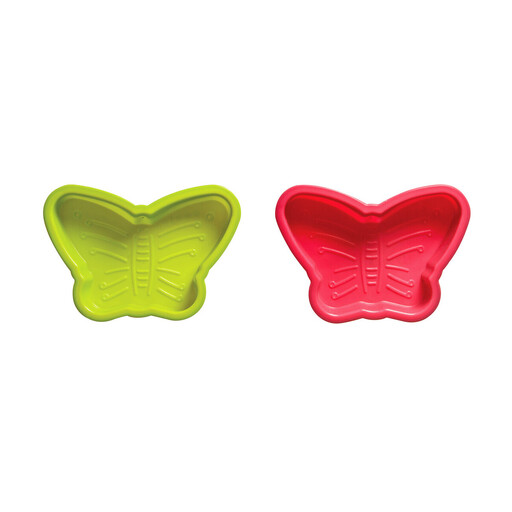
Why This Fits Their Persona: Suitable for bakers who want decorative presentation, repeat-use flexibility and two coordinated shapes for parties, afternoon tea or family celebrations.
The set lists its material, dimensions and 230°C heat resistance, helping buyers compare it with vague novelty mould descriptions.
Made from listed food-grade silicone; two butterfly moulds are microwave, freezer and dishwasher safe.
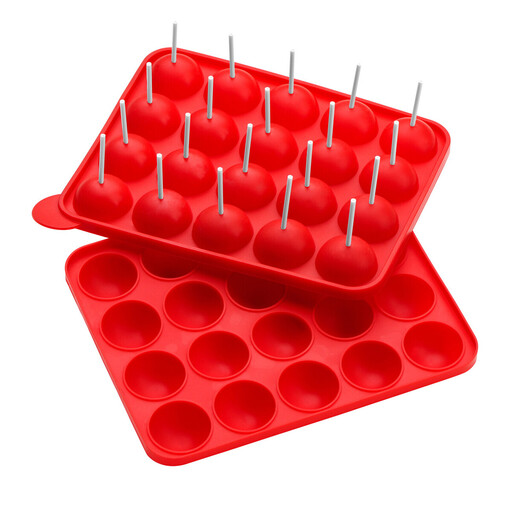
Why This Fits Their Persona: A suitable batch-making option for school events, children’s parties, bake sales and hosts who need several cake pops at once.
The stated 20-cavity capacity and included 40 polypropylene sticks make the serving quantity clear before purchase.
Non-stick silicone; listed as suitable for oven, microwave, fridge and freezer use, with a larger batch capacity.
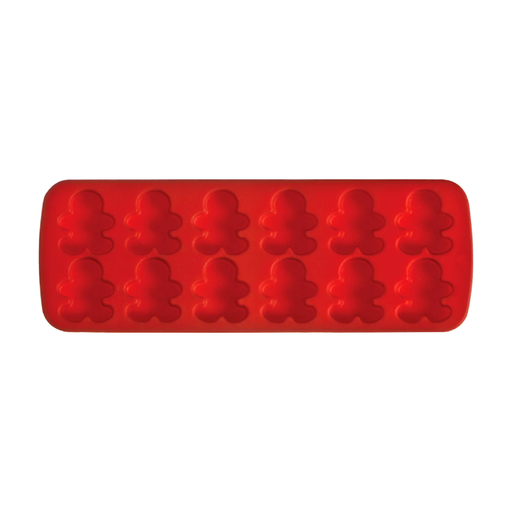
Why This Fits Their Persona: The repeated gingerbread shape works for family baking, festive tables, party favours and decorating activities with children under adult supervision.
Its 12-cavity layout and stated dimensions make the output more predictable than a novelty mould with no cavity count.
Suitable for cakes and chocolates; listed as heat resistant up to 230°C, microwave safe, freezer safe and dishwasher safe.
We have compiled a complete, real-time list of products that fully satisfy these strict selection criteria and UK safety regulations.
Many are, but suitability depends on the individual product. Check for an explicit oven-safe statement and maximum temperature, such as 230°C or 240°C. Place the mould on a baking tray for stability and do not use it on a hob or open flame unless specifically permitted.
Non-stick silicone moulds may release cakes without extensive greasing, but light greasing can be useful for delicate mixtures, deep details or the first use. Follow the recipe and allow the bake to cool before removing it. Flex the mould gently rather than pulling the cake from one edge.
There is no universal lifespan. Care, temperature exposure, storage and utensil choice all affect durability. A mould can remain useful through repeated use when it is not overheated, cut or scrubbed with abrasive products. Replace it if it develops tears, permanent damage or changes that affect food preparation.
Some can. Look for listings that specifically state microwave and freezer compatibility. Silicone chocolate moulds and freezer-safe moulds are useful for jellies, chocolates, ice treats and decorative desserts, but liquid mixtures should still be filled on a stable tray before chilling or freezing.