
24/7 Customer Support

Free returns

Same-day & Next-day Delivery

Quality Guaranteed

Unlock Your Welcome Offers: FREE Delivery | Up to 80% OFF | Free 30-day JoyPlus trial
Download the APP
By Joybuy Product Recommendation Officer
Silicone cake moulds can make themed baking, chocolate making and family treats easier, but the wrong design may become frustrating after only a few uses. Flexible material is not automatically durable, and a colourful mould may not be suitable for every baking method.
Before buying, UK home bakers should look beyond claims such as “non-stick” or “professional quality”. Check the temperature limit, shape stability, cleaning instructions and whether the mould suits your intended recipes. The following guide explains the practical details that matter, followed by Our Top Recommendations for 2026 for different baking habits.
Silicone baking moulds are flexible by design. That helps with releasing cakes, but a thin or unusually soft mould can bend when filled with batter. This creates spillages when transferring it to the oven.
For larger shapes, place the mould on a firm baking tray before filling. Moulds with integrated handles can also be easier to carry, although handles do not replace a stable tray.
A non-stick surface can reduce sticking, but results also depend on the recipe, cooling time and the detail of the shape. Very intricate shaped cake moulds may still need a light coating of oil or baking spray, particularly when used for dense mixtures, chocolate or sticky desserts.
Avoid cutting inside the mould with knives or metal utensils. Scratches and small tears can affect release and shorten the useful life of reusable baking moulds.
A mould described as oven-safe is not necessarily suitable for a hob, grill or open flame. Always follow the product’s stated limit. Several options in this guide are suitable for ovens and microwaves, while others also support chilled preparation in a fridge or freezer.
“Dishwasher-safe” can simplify cleaning, but repeated hot cycles may affect colour or finish over time. Where the instructions recommend handwashing, mild detergent and a soft cloth are sensible choices.
Look for a clear maximum temperature in Celsius. The products featured here list limits between 230°C and 240°C, depending on the model. Do not exceed the stated temperature, and do not use silicone moulds directly on a hob or open flame unless the manufacturer specifically permits it.
For microwave-safe bakeware, check that the complete product—not just an included accessory—is microwave suitable. Cake pop sticks, for example, may be made from polypropylene and should be used according to their instructions.
Food-grade silicone is commonly selected for its flexibility and easy release. However, flexibility should be balanced with enough structure to hold batter securely. Check the mould’s dimensions and cavity depth as well as the material description.
A large rectangular mould measuring approximately 31 x 17cm may suit loaf cakes and breads, while smaller novelty cavities are more appropriate for individual treats. Consider available oven and cupboard space before ordering.
Dishwasher-safe cake moulds can be convenient for busy households, but handwashing may help preserve colour and surface condition. Let the mould cool before flexing it, and avoid abrasive sponges.
For freezer-safe moulds and chocolate moulds, flexible silicone can help release solidified treats. Place a floppy mould on a tray before filling it with liquid chocolate, jelly or batter. Store larger moulds flat where possible, and keep them away from sharp objects.
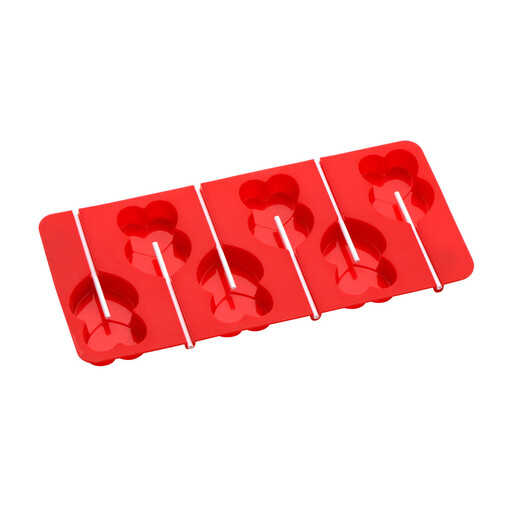
Why This Fits Their Persona: A compact option for occasional party baking, children’s activities and small batches of shaped treats.
Its stated 230°C heat resistance and non-stick silicone construction provide clear usage information rather than relying only on decorative styling.
Makes up to six cake pops and includes 12 polypropylene sticks; suitable for oven, microwave, fridge and freezer use.
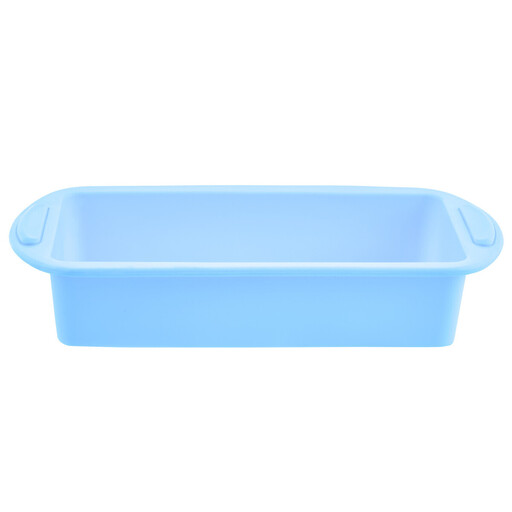
Why This Fits Their Persona: Suitable for regular bakers who want one adaptable mould for loaf cakes, breads and pound cakes.
The product guidance specifies a 230°C maximum, tray support and cooling before release, helping buyers use flexible silicone correctly.
Food-grade platinum silicone, integrated handles and a rectangular 31 x 17cm format.
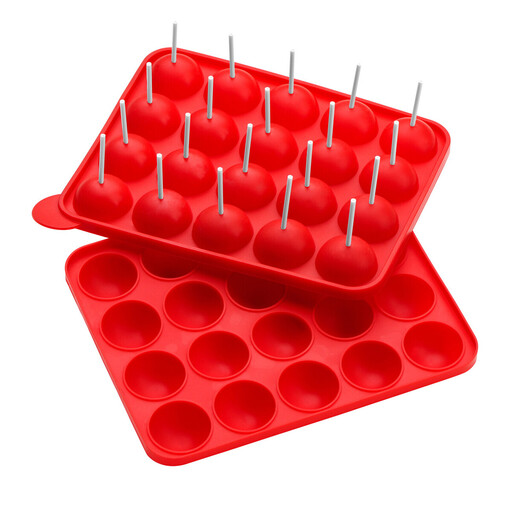
Why This Fits Their Persona: Designed for party hosts, school events and households preparing larger quantities of individual treats.
The stated capacity and included accessories make it easier to judge output before purchase, rather than estimating from product photographs.
Makes up to 20 cake pops and includes 40 sticks; listed as suitable for oven, microwave, fridge and freezer use.
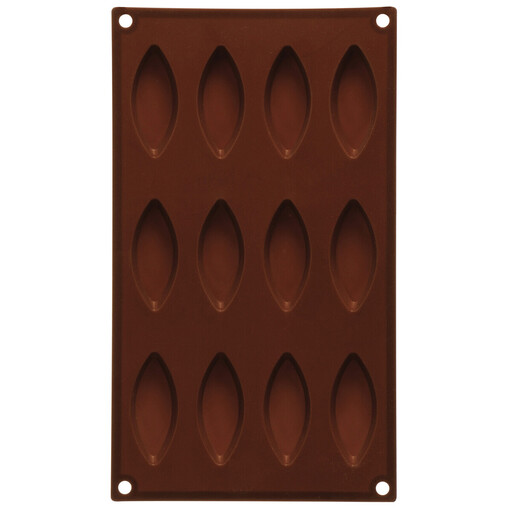
Why This Fits Their Persona: A practical choice for homemade chocolates, sweets, jellies and decorative treats for celebrations or gifting.
Its listed microwave and freezer compatibility supports both melting and chilled preparation, while the smooth interior is designed for easier release.
Features 12 cavities and is listed as heat-resistant to 230°C, dishwasher-safe, microwave-safe and freezer-safe.
We have compiled a complete, real-time list of products that fully satisfy these strict selection criteria and UK safety regulations.
Many are, but the temperature limit varies by product. The moulds listed above specify limits around 230°C, with some product information stating up to 240°C. Check the individual instructions, place the mould on a baking tray and do not use it on a hob or open flame.
Lifespan depends on frequency of use, temperature exposure, cleaning and storage. Avoid sharp utensils, abrasive cleaners and unnecessary overheating. Replace a mould if it develops tears, deep scratches, persistent odours or loses its ability to hold its shape safely.
A non-stick silicone mould may release many recipes without greasing, but a light coating can help with dense batter, sticky mixtures and highly detailed designs. Cooling fully before demoulding is also important. Check the recipe and product guidance for the most suitable approach.