
24/7 Customer Support

Free returns

Same-day & Next-day Delivery

Quality Guaranteed

Unlock Your Welcome Offers: FREE Delivery | Up to 80% OFF | Free 30-day JoyPlus trial
Download the APP
By Joybuy Product Recommendation Officer
Silicone cake moulds can make homemade treats easier, but the wrong design may create more hassle than it saves. Flexible silicone is useful for releasing delicate bakes, chocolates and frozen desserts, yet not every mould offers the same capacity, stability or cleaning options.
Before buying, UK shoppers should look beyond colourful designs and low prices. Check the temperature rating, supported appliances, cavity size and included accessories. These details affect whether a mould works for a Sunday bake, children’s party, chocolate-making session or larger celebration.
A soft mould may release cakes easily, but it can be difficult to carry when filled with liquid batter. A long rectangular mould or a tray with several cavities should sit on a stable baking sheet before going into the oven. Without support, batter can spill or bake unevenly.
Look for integrated handles, a manageable footprint or clear instructions to place the mould on a tray. This is particularly important for rectangular loaf cake moulds and multi-cavity cake pop trays.
“Oven-safe” does not mean suitable for direct heat. The product instructions should clearly state the maximum temperature and whether the mould is safe for a microwave, freezer or dishwasher.
For example, the products featured here specify heat resistance up to 230°C, while one cake pop listing also refers to heat resistance up to 240°C. Always follow the temperature printed on the individual product packaging or page, and never use silicone bakeware on a hob, under a grill or over an open flame unless the instructions specifically allow it.
A mould can look generous in a product image but have small cavities. Consider how many portions you need and whether you want to bake, chill or decorate in batches. A six-cavity novelty tray may suit a family activity, while a 20-cavity option is more practical for party preparation.
Also check whether sticks are included. Cake pop moulds with sticks can reduce the need to purchase compatible accessories separately, but confirm the quantity before ordering.
Look for food-grade silicone or a clearly stated silicone construction. Flexible walls should allow cakes, chocolates and jellies to be removed without forcing them out with a knife. A non-stick interior can help with release, although lightly greasing the mould may still be sensible for some recipes.
Avoid metal utensils and abrasive cleaners, which can damage the surface. Silicone moulds should be stored away from sharp objects and, where possible, kept flat or supported to help retain their shape.
For regular baking, check the maximum heat rating against your recipes. The referenced moulds are rated up to 230°C or 240°C, depending on the product. This covers many standard oven recipes, but not every cooking method.
A microwave-safe baking mould can be useful for melting chocolate or preparing quick sponge portions. A freezer-safe design suits chilled desserts and make-ahead treats. If easy clean-up matters, choose dishwasher-safe silicone moulds, but follow the manufacturer’s care instructions because not every item has the same cleaning guidance.
Match the shape to the occasion:
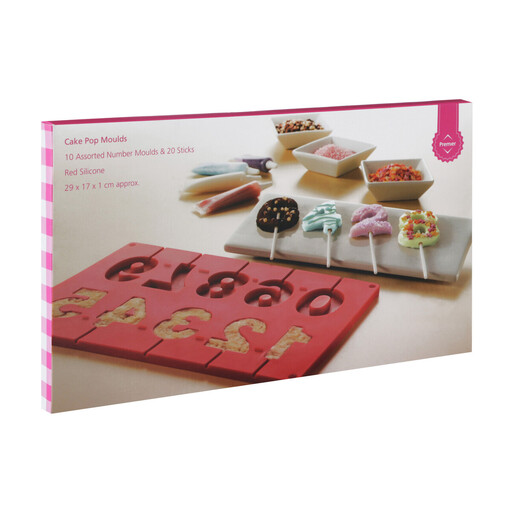
Why This Fits Their Persona: A practical starting point for families and occasional bakers who want individual treats without committing to a larger tray.
The included 20 polypropylene sticks make the set easier to use than a mould sold without serving accessories. It also has a stated non-stick silicone construction.
Makes up to 10 cake pops, is suitable for oven and microwave use and can be stored in the fridge or freezer.
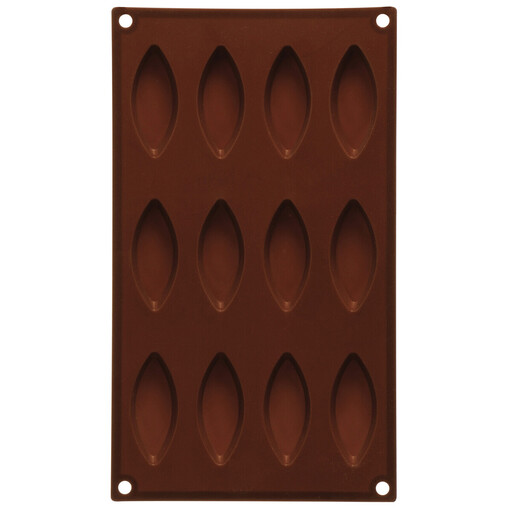
Why This Fits Their Persona: Suits shoppers who want a reusable mould for decorative chocolates, sweets and chilled desserts rather than only one type of bake.
Its stated heat, microwave and freezer compatibility makes the tray suitable for melting, setting and chilling rather than limiting it to oven baking.
Offers 12 cavities, a flexible silicone construction and stated dishwasher-safe cleaning.
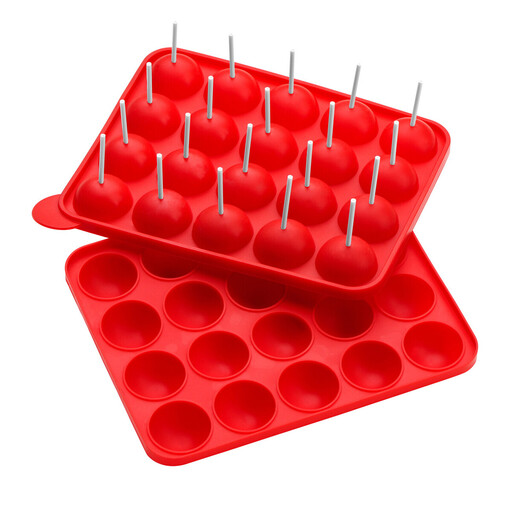
Why This Fits Their Persona: Designed for hosts, school events and larger family baking sessions where making several portions in one preparation matters.
The capacity is stated clearly: up to 20 cake pops, with 40 sticks supplied. This helps buyers plan quantities before a party or gathering.
Non-stick silicone is listed as oven and microwave safe, with fridge and freezer storage also supported.
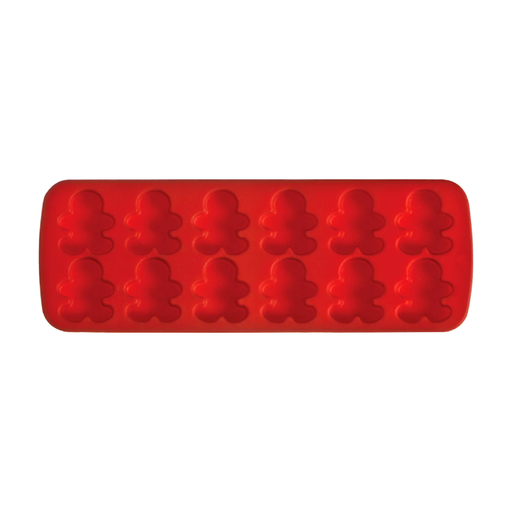
Why This Fits Their Persona: The repeated gingerbread shape suits themed baking, rainy-day activities and party tables where matching treats are useful.
The product description states its suitability for cakes and chocolates, so it can be used beyond one seasonal recipe.
Includes 12 cavities and is listed as heat-resistant to 230°C, dishwasher safe, microwave safe and freezer safe.
We have compiled a complete, real-time list of products that fully satisfy these strict selection criteria and UK safety regulations.
Many are suitable for conventional ovens when used within their stated temperature limit. Check the individual rating, place the mould on a stable tray and do not use it on a hob, grill or open flame unless expressly permitted.
Non-stick silicone can support easier release, but greasing may still help with recipes containing little fat, detailed shapes or sticky ingredients. Follow the recipe and product care instructions, then allow the bake to cool before removing it.
Their useful lifespan depends on heat exposure, cleaning and storage. Avoiding sharp utensils, abrasive products and temperatures above the stated limit can help preserve the mould’s flexibility and surface. Replace a mould if it becomes torn, badly distorted or visibly damaged.