
24/7 Customer Support

Free returns

Same-day & Next-day Delivery

Quality Guaranteed

Unlock Your Welcome Offers: FREE Delivery | Up to 80% OFF | Free 30-day JoyPlus trial
Download the APP
Silicone cake moulds can make themed baking easier, but the wrong design may leave you with misshapen cakes, difficult cleaning and storage problems. Whether you are preparing treats for a children’s party, making chocolate decorations or batch-baking cake pops, it is worth checking the product specifications rather than relying on colourful packaging alone.
The main buying pitfalls include:
Look for food-grade silicone or clearly stated non-stick silicone. The material should remain flexible enough to release baked goods while being sturdy enough to handle when filled.
Temperature limits are equally important. Several moulds in this selection are listed as heat resistant up to 230°C, while some cake pop mould listings specify up to 240°C. Always follow the temperature printed on the product packaging or care instructions, particularly where product information differs.
Oven-safe silicone moulds should not automatically be used on a hob or over an open flame. Microwave-safe cake moulds are useful for quick sponge recipes or melting chocolate, but metal accessories such as cake pop sticks should not be placed in the microwave unless specifically stated to be microwave-safe.
The best size depends on how you bake:
Check the external dimensions as well as the number of cavities. A long 12-cavity mould may fit differently in a UK oven than a compact tray, and the usable cavity size affects baking time and portion size.
Reusable cake moulds should be easy to clean without specialist products. Dishwasher-safe options can save time, although handwashing may help preserve bright colours and reduce wear. Avoid metal utensils and abrasive sponges, which can mark silicone.
For cake pops, count the included cake pop sticks before buying. A mould that produces 10 or 20 pieces but includes the matching number of sticks is more convenient for serving and decorating. If you plan to freeze prepared treats, check that the mould is explicitly described as freezer-safe rather than assuming all silicone products are suitable.
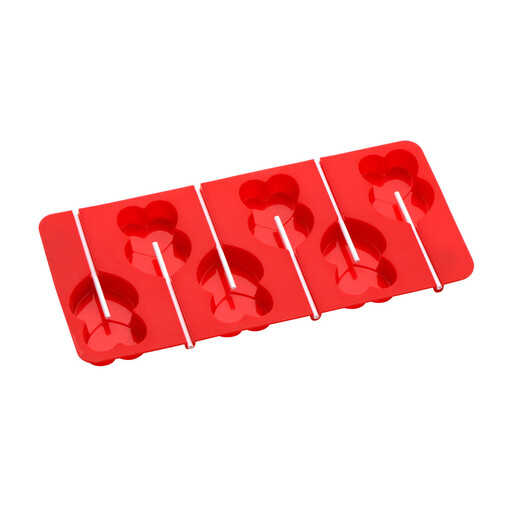
Why This Fits Their Persona: A manageable option for first-time cake pop makers, occasional weekend baking and small celebrations. It makes up to six heart-shaped cake pops and includes 12 polypropylene sticks.
The stated six-piece capacity is clear, helping avoid buying a small mould while expecting party-sized output. Its instructions also specify a maximum temperature and warn against sharp tools.
Non-stick silicone; oven, microwave, fridge and freezer suitable; 12 sticks included.
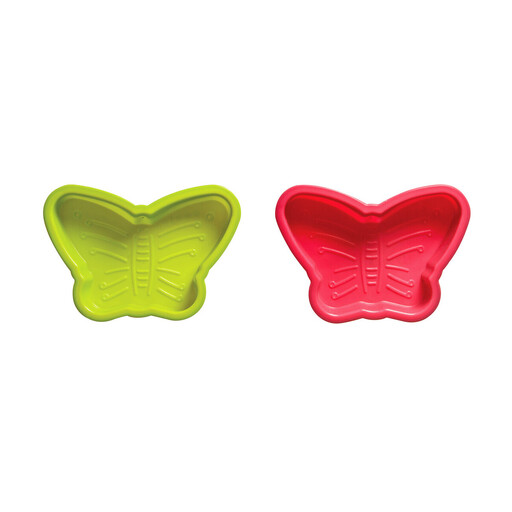
Why This Fits Their Persona: Suitable for bakers who want reusable themed moulds that can move between everyday cakes, party desserts, chocolates and frozen treats.
The two-piece set gives a defined quantity and dimensions, while the stated appliance compatibility reduces guesswork when switching from baking to chilling.
100% food-grade silicone; oven-safe to 230°C; microwave-, freezer- and dishwasher-safe; stackable design.
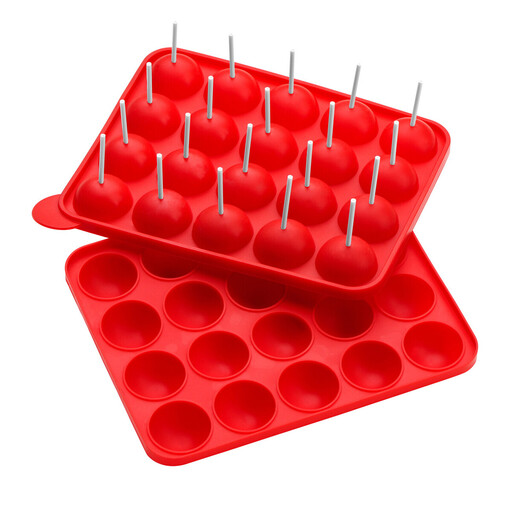
Why This Fits Their Persona: Designed for party planners, larger families and anyone who needs a substantial number of cake pops in fewer baking rounds.
The 20-cavity format makes its intended use clear, avoiding the inconvenience of repeating a small batch for larger events. Forty sticks are supplied for serving or decorating.
Non-stick silicone; suitable for oven, microwave, fridge and freezer storage; 40 polypropylene sticks included.
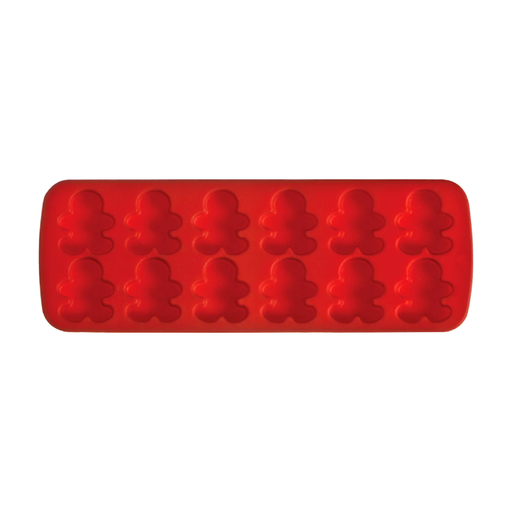
Why This Fits Their Persona: A flexible choice for family baking sessions, themed parties and cooks who want one mould for cakes, chocolates and chilled desserts.
Its 12-cavity format is clearly stated, and the mould is listed as suitable for baking, microwaving, freezing and dishwasher cleaning.
12 gingerbread-shaped cavities; heat resistant to 230°C; dishwasher-, microwave- and freezer-safe.
We have compiled a complete, real-time list of products that fully satisfy these strict selection criteria and UK safety regulations.
They can be, provided the product is labelled oven-safe and you remain within its stated temperature limit. The moulds above specify heat resistance up to 230°C, while some listings provide a different maximum figure. Check the individual instructions and do not use silicone moulds on a hob, grill or open flame unless the manufacturer expressly permits it.
Non-stick silicone can support easy release, so heavy greasing is often unnecessary. A light coating may still help with particularly sticky recipes, especially when using chocolate or low-fat batter. The cavity should be clean and dry before filling, and metal utensils should be avoided.
Their usable life depends on temperature exposure, cleaning and storage. Avoid exceeding the stated heat limit, abrasive cleaners and sharp objects. Keeping the mould away from direct heat and storing it without heavy creasing can help preserve its flexibility and shape.