
24/7 Customer Support

Free returns

Same-day & Next-day Delivery

Quality Guaranteed

Unlock Your Welcome Offers: FREE Delivery | Up to 80% OFF | Free 30-day JoyPlus trial
Download the APP
Buying SIM-free mobile phones gives you more control than signing a long contract. You can choose a handset separately from your network plan, keep your existing number and switch providers when a better deal appears. However, a low upfront price or impressive specification sheet does not always mean a practical purchase.
This guide highlights the common buying traps, the specifications that matter in everyday UK use and a selection of unlocked smartphones for different needs.
SIM-free normally means the phone is not tied to a specific network contract. It does not guarantee identical performance on every UK network. Before ordering, check:
European Economic Area versions can also be useful because they may include Google Mobile Services and regional software support. Always check the product listing and your network’s compatibility information before buying.
Some budget smartphones advertise very large RAM figures by combining physical RAM with virtual memory expansion. For example, a listing may state 16GB RAM as 4GB physical RAM plus 12GB virtual RAM. Virtual RAM uses internal storage and should not be treated as identical to physical RAM.
For ordinary calls, messaging, browsing and streaming, processor capability and software optimisation can matter more than a headline RAM figure. Also check the storage type and capacity. 128GB is a practical starting point for many Android phones, while mobile phones with expandable storage offer additional flexibility.
Many newer smartphones are supplied with a USB cable but no charging adaptor. This is clearly stated for models such as the Samsung Galaxy A17 5G. Check the required output before reusing an existing plug.
Fast charging is also not universal. A phone may support USB Power Delivery, a proprietary charging system or only standard 10W charging. Use a compatible, certified adaptor and cable rather than assuming any plug will deliver the advertised speed.
Choose 5G mobile phones if your area, network plan and usage justify the additional capability. 5G can support faster downloads and smoother streaming, but coverage varies by location. A 4G handset remains suitable for calls, messaging, navigation and most everyday online activity.
For travellers, business users and households managing two numbers, dual SIM phones can separate work and personal calls or combine a UK SIM with a travel SIM. Confirm whether both slots support the same network features and whether adding a microSD card occupies one of the SIM positions.
Battery capacity is measured in mAh, but capacity alone does not determine how long a phone lasts. Screen size, refresh rate, processor efficiency, signal strength and camera use all affect consumption.
As a general guide, a 5,000mAh battery is common in Android phones and can suit a full day of mixed use, subject to conditions. Larger batteries in rugged smartphones can add weight and bulk, so they are most useful for outdoor work, travel or long periods away from a socket.
Consider the following together:
An IP54 rating generally indicates limited protection from dust and splashes, while higher ratings offer different levels of protection. Read the manufacturer’s conditions carefully: water resistance is not permission to use every phone underwater or while charging.
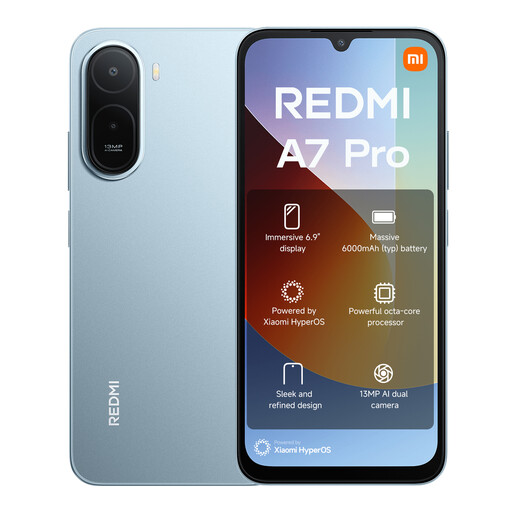
Why This Fits Their Persona: This 4G Android phone offers 4GB RAM and 128GB storage, making it a straightforward option for calls, messaging, apps and everyday browsing without paying for 5G hardware.
Its listing identifies an official EEA version with Google Mobile Services, helping buyers avoid uncertainty around Play Store access and regional software compatibility.
128GB internal storage; Google Play Store and Google Pay compatibility are specified in the listing.
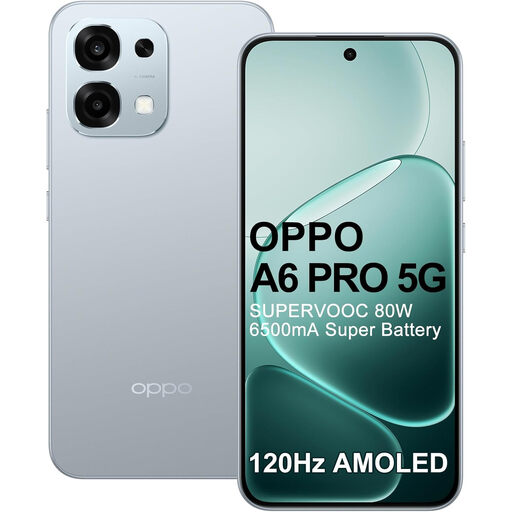
Why This Fits Their Persona: It suits shoppers wanting a high-resolution AMOLED display, generous storage and modern connectivity for streaming, photography and frequent travel.
The listing specifies 256GB storage, dual nano SIM support, eSIM support, NFC and a 6.57-inch AMOLED display, rather than relying on a single headline feature.
5G connectivity; 6,500mAh battery; 80W SUPERVOOC charging; IP69 protection rating.
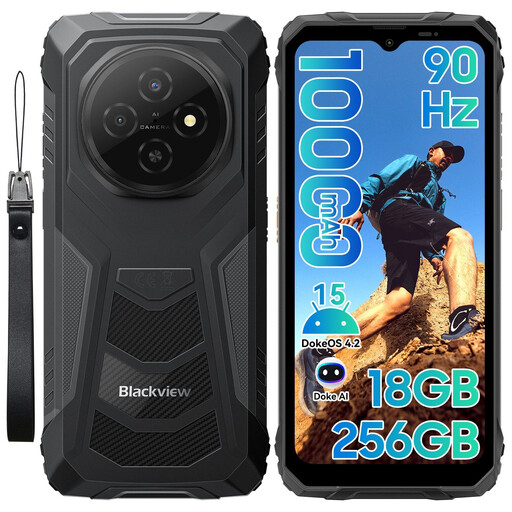
Why This Fits Their Persona: Its large battery and rugged construction are suited to couriers, mechanics, outdoor workers and customers who regularly work away from convenient charging points.
The listing gives specific IP68/IP69K and MIL-STD-810H information, allowing buyers to compare protection standards instead of relying on the vague word “rugged”.
10,000mAh battery; 18W charging; NFC; dual SIM; 256GB storage with stated TF card support.
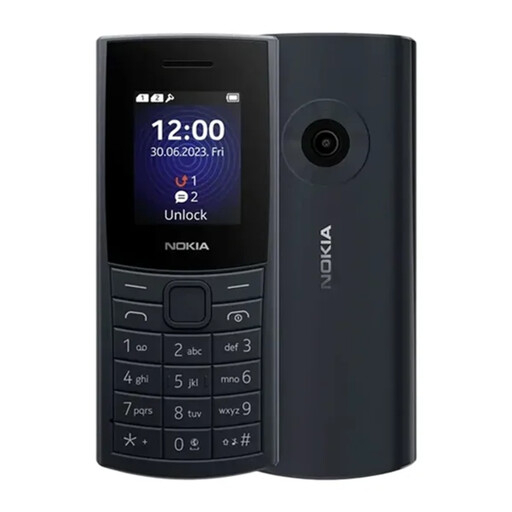
Why This Fits Their Persona: This compact keypad phone is suitable for seniors, digital detox users, travellers and anyone wanting a reliable backup without touchscreen distractions.
It uses 4G LTE and dual nano SIM support rather than depending on older network technology, while the IP52 rating is clearly limited to dust and light splashes.
Physical keypad; removable 1,450mAh battery; 4G; FM radio; microSD support up to 32GB.
We have compiled a complete, real-time list of products that fully satisfy these strict selection criteria and UK safety regulations.
Usually, an unlocked phone can be used with a compatible SIM from a UK network. Check the handset’s supported bands, SIM format and VoLTE compatibility before purchasing. A physical SIM may need to be cut or replaced if your existing card is not nano-sized.
The handset itself does not determine your monthly cost. You can pair it with a SIM-only plan, prepaid SIM or roaming plan and change that service independently. Compare data allowances, call minutes, contract length and roaming terms rather than looking only at the phone’s purchase price.
Lifespan depends on battery condition, physical care, software support and storage requirements. Check the manufacturer’s stated update policy, use a suitable charger and protect the screen and charging port. Feature phones can remain useful for longer when your needs are limited to calls and texts, while Android users may need more storage and software support over time.