What matters when choosing?
Start with how you load one portion, then check grind adjustment for the drinks you actually make. A small bean container, dosing cup or automatic stop answers a different question from how much ground coffee remains inside the grinder.
| Concern |
What to check |
Who this matters to |
| Small-dose workflow |
Check how one weighed portion is loaded and collected, and whether any retention claim applies to the exact model. |
If I switch beans between cups, I want less carry-over into the next brew. Around 40% of consumers would put that small-dose workflow first. |
| Espresso adjustment |
Confirm a stated espresso-capable range and whether its adjustment is stepped or stepless. |
When I dial in espresso, I need enough control to make small grind changes. For around 30% of consumers, espresso adjustment is the primary concern. |
| Mixed-brew range |
Match the stated settings to your brewing methods; for separate burr sets, check which set comes with the chosen configuration. |
If I alternate between espresso and a coarser brew, I need both methods covered by the grinder I buy. Mixed-brew flexibility comes first for around 30% of consumers. |
Joybuy product choices
These choices cover hopper-style dispensing, portable electric grinding and manual portioning. Compare how each handles your usual dose rather than assuming that portion-sized capacity or dosing controls mean low retention.
 No image available
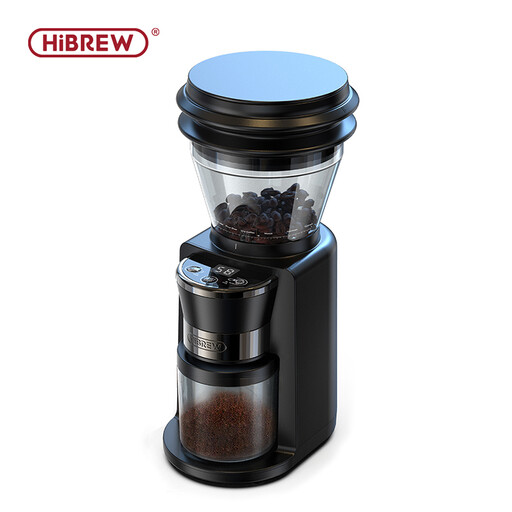
HiBREW G3 Electric Coffee Grinder
Consider this hopper-style model if you want electric grinding with a bean container rather than loading each portion into an empty grinder. Its name specifies 34 settings, a 210 g bean container, a 100 g ground-coffee container and a 48 mm conical burr. Confirm the plug and voltage of the unit offered before ordering.
View on Joybuy
 No image available
TIMEMORE Portable Electric Burr Grinder (Black)
This portable electric option may suit someone who wants to grind a portion away from their usual kitchen setup. The product name specifies 30 settings, auto-stop and clog protection, and describes a range from espresso to French press. Auto-stop alone does not establish low retention.
View on Joybuy
 No image available
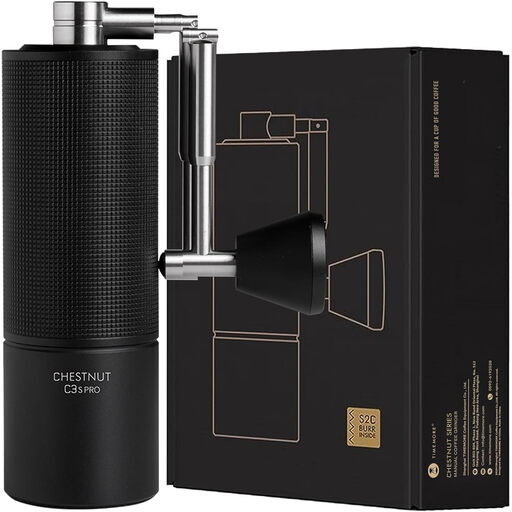
TIMEMORE Chestnut C3S Pro Manual Grinder (Black)
If you prefer to grind by hand, the stated 25 g bean-container capacity gives you a portion-sized loading limit. The C3S Pro has a foldable handle and a conical stainless-steel burr; grinding each portion requires turning the handle.
View on Joybuy
 No image available
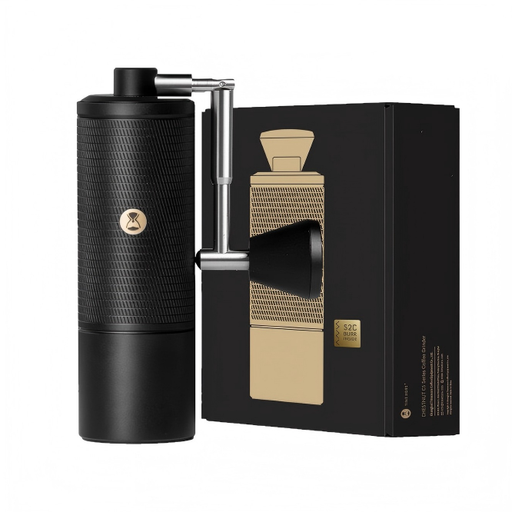
TIMEMORE C5 Pro Manual Coffee Grinder
This is another manual option if you are content to turn a handle for each portion. If fine, repeatable changes are important for espresso, confirm the C5 Pro’s adjustment controls against your brewing setup before choosing it.
View on Joybuy
 No image available
Sage the Smart Grinder™ Pro BCG820BSSUK
Consider this electric model if selectable grind settings matter more to you than a dedicated single-dose path. Its name specifies 60 settings and a conical burr; settings alone do not tell you how much coffee remains after a small portion. Confirm the supplied unit’s plug and voltage before ordering.
View on Joybuy
Common questions
How can I grind just one small portion?
Weigh the beans before loading them, then choose a workflow you are comfortable repeating. Niche Coffee sells the Zero and Duo as single-dose grinders, while Baratza specifies an auto-stop Single Dose Mode for the Encore ESP Pro; with a hopper model, check how you will load and collect each portion.
Do I need an espresso-capable grinder if I mainly make filter coffee?
Only if espresso is also part of your plans. Baratza assigns Encore ESP settings 1–20 to espresso and 21–40 to coarser brewing, so check the exact model’s stated range against the methods you expect to use.
Are flat burrs automatically a better choice than conical burrs?
No: burr shape alone does not establish which grinder will suit your portions or drinks. Compare the exact models’ dosing workflow, adjustment range and included burr configuration rather than treating a manufacturer’s general description of burr types as a result for every grinder.
What should I check when ordering an electrical grinder for use in Great Britain?
Confirm the actual unit’s plug and rated voltage, along with the seller’s GB-market safety information. Niche Coffee, for example, lists a G-type, 220–240 V UK configuration of the Zero; do not assume another regional version has the same electrical specification.
What if a new grinder is faulty or does not match its listing?
Keep the listing and order details, then contact the selling trader about the specific fault or discrepancy. Section 9 of the Consumer Rights Act 2015 requires goods supplied under a contract to be of satisfactory quality; a fault or misdescription is a different issue from simply changing your mind.


