Multi-tray picnic cooks
If one tray will not hold your beetroot wedges, look at the exact oven’s fan mode, shelf positions and usable tray space together. A capacity figure alone will not tell you how your trays fit.


If you are choosing a built-in oven mainly for picnic batches of beetroot wedges, start with a single model whose specified fan mode and usable shelf space suit the trays you plan to roast. A double oven is worth considering when you regularly need a separate cavity for another dish; whichever format you choose, check cabinet fit and connection requirements before ordering.
If one tray will not hold your beetroot wedges, look at the exact oven’s fan mode, shelf positions and usable tray space together. A capacity figure alone will not tell you how your trays fit.
If the new oven must fit an existing kitchen, compare its installation drawing with the cabinet opening and check the required electrical connection. Electrical Safety First notes that ovens may use a plug or require hardwiring.
If roasting often leaves residue in your oven, check which cleaning system the exact model has and what wiping its instructions still require. Catalytic, steam-assisted and pyrolytic functions work differently.
For beetroot wedges, decide how many trays and separate dishes you need to cook before comparing cleaning functions and controls.
Choose when: One cavity can accommodate your planned batch, including any trays you want to use together.
Trade-off: You cannot set a second cavity to a different temperature for another picnic dish.
Choose when: You regularly want wedges cooking separately from another dish that needs its own cavity.
Trade-off: The taller format needs a suitable cabinet opening, and connection requirements must be checked for the exact model.
| Concern | What to check | Who this matters to |
|---|---|---|
| Roasting space and heat | Check the specified fan or hot-air mode, shelf positions and usable tray space. Which? assesses heat distribution in its oven testing; a fan symbol alone does not establish how evenly a particular model cooks. | If I am roasting wedges on several trays, I want enough room and a suitable cooking mode without relying on constant tray swapping. Around 36% of consumers put this batch-cooking need first. |
| Cabinet and connection | Compare the model’s installation drawing with the cabinet opening, then confirm its rated load and connection type. Electrical Safety First notes that plug and hardwired requirements differ between ovens. | When replacing a built-in oven, I need the new appliance to fit my kitchen and its available supply before its extra functions matter. For around 29% of consumers, installation compatibility is the primary concern. |
| Cleaning after roasting | Identify the exact cleaning system and read what the manual says to do after its cycle. AEG and Beko describe different model-specific approaches, including catalytic and steam-assisted cleaning. | If I roast vegetables regularly, I want to know how much residue I will still need to wipe away. Keeping that routine manageable comes first for around 21% of consumers. |
| Energy information and controls | Review the oven’s energy label and product information sheet, and check its instructions for the fan mode you intend to use. | If I am adapting recipes to an unfamiliar oven, I want clear settings and energy information I can compare before choosing. Around 14% of consumers make straightforward operation and energy information their main priority. |
Which? tests heat distribution because cooking results can vary between ovens. A fan setting by itself does not show how a particular model will handle your planned shelf arrangement.
Check the exact model’s stated multi-shelf use and shelf layout, then consult independent test results where available.
The visible width does not establish whether the appliance will fit the cabinet opening or clear the space behind it.
Compare the installation drawing, including the required niche and depth, with your kitchen measurements before ordering.
A cabinet that does not match the installation requirements may need alteration before fitting.
Electrical Safety First notes that some ovens use a standard plug while others require hardwiring. The Bosch MBA533BB3B and NEFF U1ACE2AG3B double-oven examples specify electrician connection.
Check the chosen model’s rated load and connection instructions against your existing supply; consult a qualified electrician where required or if compatibility is uncertain.
An unsuitable connection or circuit can mean electrical work is needed before the oven can be installed.
Cleaning systems have different processes. For example, AEG describes wiping away ash after a pyrolytic cycle, while Beko describes wiping residue softened by SimplySteam.
Read the exact model’s cleaning instructions and choose a function that suits how often you roast.
These brand examples illustrate functions to check on individual models, rather than features shared by every oven in a range.
Beko’s BBXIF243 is a built-in single fan-oven example for shoppers considering one cavity for a picnic batch.
NEFF describes CircoTherm as a hot-air option for cooking on multiple levels, with built-in single and double oven examples.
Bosch’s MBA533BB3B is a built-in double-oven example for preparing dishes in separate cavities.
AEG offers SurroundCook fan-oven examples with different cleaning functions on different models.
These built-in single and double ovens include electric and gas models. Consider a single cavity for the wedges alone, or a double oven if another picnic dish regularly needs separate cooking space; confirm each model’s fit and connection before choosing.
 No image available
Consider this built-in double oven if you regularly need a separate cavity while preparing beetroot wedges. Check that the required housing and electrical connection suit your kitchen.
 No image available
A single-cavity option to assess if you plan to roast a picnic batch without cooking another dish separately. Check the exact fan-mode instructions, shelf arrangement, cabinet opening and electrical requirements.
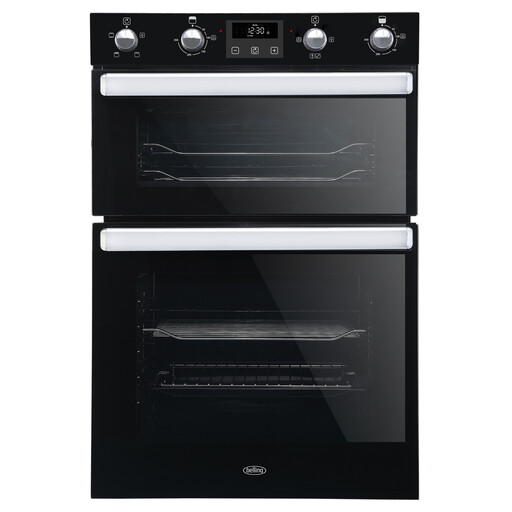 No image available
Consider the double-oven layout when wedges and another picnic dish need separate cavities. Confirm the installation dimensions and electrical connection for this model before deciding whether it fits.
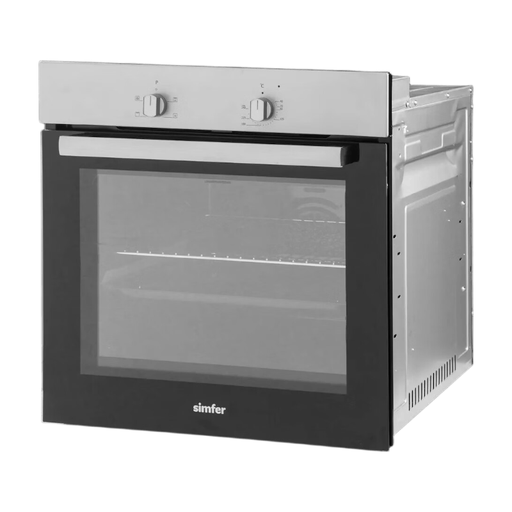 No image available
This single fan oven is an option to assess for a one-cavity picnic batch. Confirm how your trays fit, and compare the exact installation dimensions and connection requirements with your kitchen.
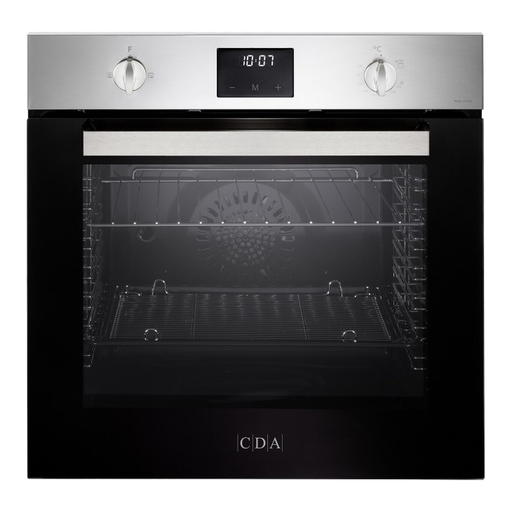 No image available
Consider this gas fan-oven option only if its installation suits your kitchen. Its title specifies a 70 L capacity; check usable tray space, gas connection requirements and the instructions for cooking on more than one shelf.
Check the energy label and product information sheet for each oven you are considering. GOV.UK’s energy-information guidance describes labels for products within its scope, but an energy class does not tell you whether a particular oven will roast wedges evenly.
That depends on the exact oven and your existing supply. Electrical Safety First notes that some ovens have a standard plug while others need hardwiring; the Bosch MBA533BB3B and NEFF U1ACE2AG3B double ovens specify electrician connection. Check the chosen model’s instructions and use a qualified electrician where required or if compatibility is uncertain.
No: use the guidance for the selected oven and the recipe rather than treating one adjustment as universal. AEG recommends a 20°C reduction in its own SurroundCook and True Fan Cooking guidance, which applies to that guidance rather than every fan setting.
No: check what the exact cleaning cycle leaves you to do. AEG describes wiping away ash after pyrolytic cleaning on a cited model, while Beko describes wiping food and grease softened by SimplySteam on equipped models.