Family batch bakers
If several trays of cheese scones need to bake together, look for a fan oven whose manufacturer documents cooking across multiple shelf levels. Check that its cavity suits the trays you plan to use.


Choose a single fan oven with a documented multi-level baking function if you regularly bake several trays of cheese scones in one cavity. A double oven is more useful when another part of the family meal needs a different cooking setting at the same time. Whichever format you choose, check cabinet fit, electrical connection and the recipe’s fan-oven temperature before ordering.
If several trays of cheese scones need to bake together, look for a fan oven whose manufacturer documents cooking across multiple shelf levels. Check that its cavity suits the trays you plan to use.
If you usually bake one tray or cook one main oven dish at a time, a single built-in oven may meet your needs without adding a second cavity. Cabinet fit and connection requirements still need checking.
If the scones and another dish need different settings at the same time, separate oven cavities may make the meal easier to schedule than a larger single cavity.
Decide whether the meal needs one cooking setting or two at once; then check multi-level baking, installation requirements and upkeep on the exact model.
Choose when: One cavity can accommodate your baking and meal schedule, particularly if you want to use several shelf levels together.
Trade-off: Food cooking in that cavity must share its setting; a larger cavity does not provide a second independently controlled oven.
Choose when: Scones and another dish regularly need different settings at the same time.
Trade-off: Check the space and electrical provision for the particular double oven rather than assuming it will replace a single oven directly.
| Concern | What to check | Who this matters to |
|---|---|---|
| Baking several trays | Check the exact model’s fan-cooking instructions and permitted shelf levels; follow its tray-position guidance. | If I want several trays of scones ready together, I need a setting intended for baking across the shelves. Around 33% of consumers put multi-tray baking first. |
| Different cooking settings | Check whether two cavities can run the dishes on the settings each needs, and whether their usable capacities suit the meal. | When another dish needs a different setting while the scones bake, I want separate cavities rather than a single shared temperature. Around 25% of consumers make that scheduling flexibility their main concern. |
| Fit and connection | Compare the installation drawing with the cabinet opening and confirm the model’s electrical requirements. | If I am replacing a built-in oven, I need to know it will fit and can be connected safely before weighing up extra features. For around 25% of consumers, installation compatibility comes first. |
| Cleaning and energy information | Compare cleaning methods, cavity capacity and the energy label or product information sheet for the models under consideration. | With frequent family baking, I may care most about removing residue and understanding the oven’s energy information. Around 17% of consumers prioritise those upkeep considerations. |
Cabinet openings and electrical connections vary by model, so a familiar size description is not enough to establish compatibility.
Compare the installation drawing and connection requirements with your kitchen before ordering. Electrical Safety First advises checking an oven’s power requirements; arrange a qualified electrician where the installation calls for one.
A mismatch may mean electrical or cabinetry work before the oven can be fitted.
A recipe written for conventional top-and-bottom heat may bake differently on a fan setting, affecting timing and browning.
Use a stated fan temperature where the recipe provides one. Otherwise, check the oven handbook and your first batch; Delia Online advises a 20°C reduction for a conventional recipe when the fan cannot be switched off.
A second cavity addresses simultaneous cooking on different settings. It does not replace the need to check how the cavity used for scones bakes.
If both dishes can share one setting or cook in sequence, compare single ovens with documented multi-level fan cooking before deciding that two cavities are necessary.
An energy label helps compare ovens on its stated basis; it does not describe every combination of preheating, programme and cooking time.
Read the label and product information sheet alongside cavity capacity and the cooking modes you expect to use.
The HHF113BR0B is a built-in single-oven example for cooks considering multi-level fan baking.
The B1DCC0AK3B is a single built-in oven for buyers considering several trays in one cavity.
The cited AEG models illustrate different choices: a larger single cavity or two cavities for separate dishes.
These built-in electric ovens include single-cavity choices for family baking and a double-oven choice for meals needing separate cooking settings. Check each model’s installation instructions and the baking functions that matter to you.
 No image available
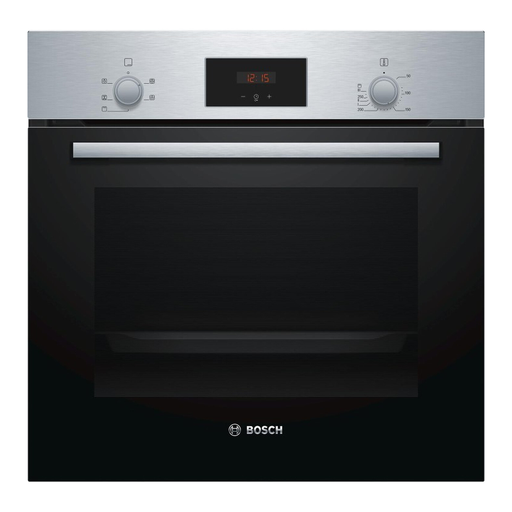
Consider this single oven if several trays need to bake in one cavity: Bosch Home UK states that its 3D Hotair function works across up to three levels. Check the installation instructions and electrical connection for the appliance you order, and watch the first batch when using a new oven.
 No image available
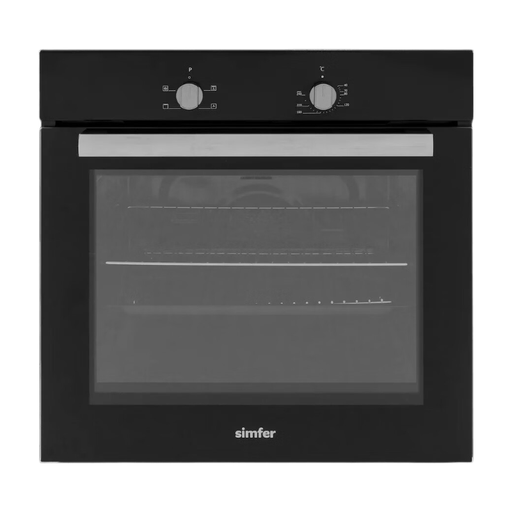
A single fan oven is worth considering when one cooking setting suits the family meal. If several trays must bake together, check the FO60B’s shelf-use instructions; confirm cabinet dimensions and electrical connection before ordering.
 No image available
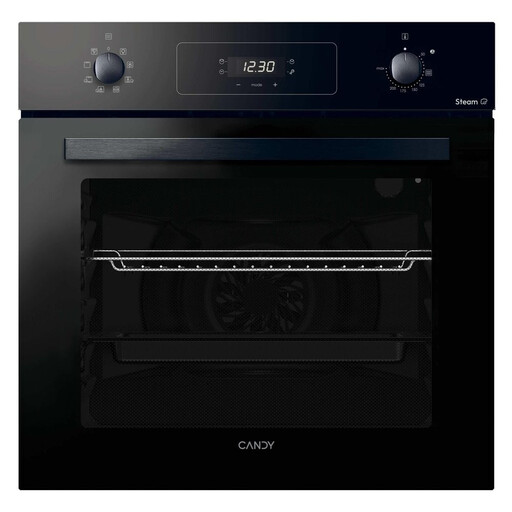
This 65 L single oven may suit a family bake that can share one cavity. If you plan to bake several trays at once, confirm the supported shelf positions and fan settings; check the precise electrical connection required for installation.
 No image available
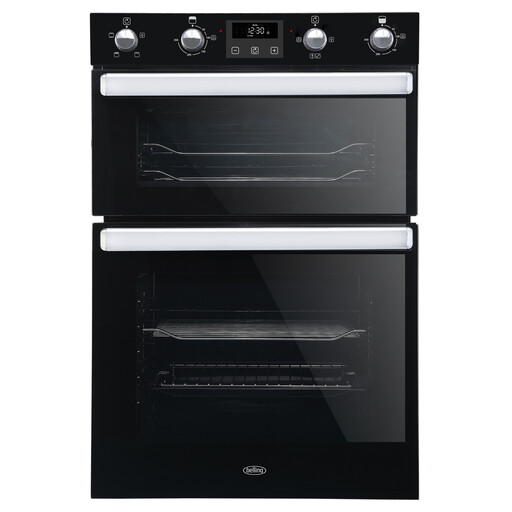
Consider the double-oven format if scones and another part of the meal regularly need separate settings. Check which cavity and function you would use for the scones, as well as the cabinet dimensions and electrical requirements.
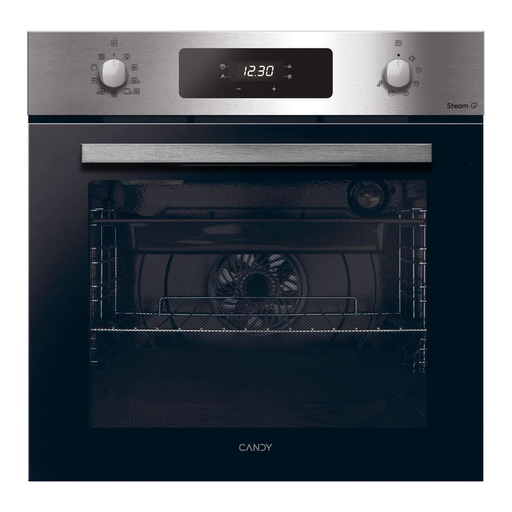 No image available
This single oven is relevant if cleaning baked-on residue is an important part of your choice. Check its instructions for baking across multiple levels if you make several trays, and confirm the cabinet fit and electrical requirements.
Yes, using a fan setting and temperature appropriate to the recipe and your oven. For a conventional-oven recipe when the fan cannot be switched off, Delia Online advises reducing the temperature by 20°C; consult the oven handbook and check your first batch, as results can vary.
No, not if one cavity can accommodate the trays and the rest of the meal can share its setting or cook at another time. A double oven becomes more relevant when two dishes need different settings simultaneously; for several trays in one cavity, check the single oven’s documented multi-level function.
No assumption about connection is safe without checking the exact model. NEFF specifies electrician connection for the B1DCC0AK3B, while AEG specifies hardwiring for the OU5PB40PK. Compare the installation instructions with your existing supply and arrange a qualified electrician where required.
No. It is a cleaning convenience, not a requirement for baking scones. If removing baked-on residue matters to you, compare the cleaning method alongside the oven’s cooking functions, fit and electrical requirements.