One-dish family cooks
If chicken enchiladas are the main oven dish, focus on a single cavity with room for your baking dish, a suitable fan mode and a timer. A second cooking zone may offer little practical value for this meal.


For one family-sized dish of chicken enchiladas, start with a built-in single fan oven whose shelf fits your dish and whose installation requirements suit your kitchen. Choose a double oven if you regularly cook sides or dessert at a different temperature or on a different schedule; either way, check the exact model’s heating, connection and cleaning features rather than relying on its stated capacity alone.
If chicken enchiladas are the main oven dish, focus on a single cavity with room for your baking dish, a suitable fan mode and a timer. A second cooking zone may offer little practical value for this meal.
If you often prepare sides or dessert alongside the enchiladas, consider whether they need a separate temperature zone. Alternatively, check the exact single-oven model’s stated multilevel cooking capability.
If the new oven must fit existing cabinetry, establish the required aperture and electrical connection before comparing cooking programmes. Measure the baking dish too: the appliance’s external size does not establish its usable shelf space.
Decide whether the meal needs one cavity or two, then check dish fit, heating and installation on the exact oven model.
| Concern | What to check | Who this matters to |
|---|---|---|
| Even cooking | Check the exact fan mode and, if you use several shelves, its stated multilevel capability. Consult independent heat-distribution tests where available. | I want the topping to brown without the edges scorching while the filling heats through. Around 30% of consumers put even cooking first. |
| Dish space and meal flexibility | Compare your dish with usable shelf dimensions; decide whether sides need a separately controlled cavity. | When sides need another temperature, I want space for them without crowding the enchiladas. For around 30% of consumers, dish space and meal flexibility are the primary need. |
| Cabinet and electrical fit | Match the installation diagram to the cabinet opening, then check connection type and electrical loading. | I am replacing an integrated oven and need it to fit the housing and available supply. Cabinet and electrical fit comes first for around 30% of consumers. |
| Cleaning and energy information | Identify the exact cleaning system and its care instructions; compare the oven’s energy label and product information. | After a saucy family meal, I would rather choose a cleaning routine I can manage and understand the energy information. Around 10% of consumers place these checks first. |
A fan mode does not establish how evenly a particular oven heats or how accurately it controls temperature. Which? includes heat distribution and temperature control in its built-in-oven assessments.
Look for independent results for the exact model where available, and check its stated fan and multilevel functions before weighing up extra programmes.
Cavity volume cannot tell you whether a wide enchilada dish fits on a shelf. Single and double built-in ovens also require different cabinet arrangements.
Measure the dish and cabinet opening, then compare both with the model’s usable cavity dimensions and installation diagram.
Connection requirements vary by model. Electrical Safety First advises checking an oven’s power requirements to avoid overloading unsuitable wiring.
Read the installation instructions before ordering and arrange a qualified electrician where the specified connection requires one.
A hardwired replacement may require electrical installation work.
Catalytic surfaces, water-assisted programmes and pyrolytic cycles call for different use and care. A cleaning label alone does not describe the routine after baked-on sauce and cheese.
Identify the system on the exact model and read its manual, including instructions for shelves and trays.
A reference point for spacious single fan ovens with model-specific airflow and cleaning features.
Relevant when comparing multilevel hot-air features with single or double built-in formats.
Relevant to households considering cooking across several shelves in a single oven.
A reference point for single built-in ovens combining fan cooking with a water-assisted cleaning feature.
Useful for comparing stated multilevel airflow and cavity arrangements on named models.
These built-in single and double ovens relate to the two main choices for a family enchilada meal. Compare the single-oven options for one main dish and the double-oven options if you regularly need a separate cooking cavity; confirm dish fit and installation requirements for each model.
 No image available
Consider the two-cavity format if sides need a separate cooking zone from the enchiladas.
Confirm that the main shelf fits your dish and that the cabinet accommodates this 90 cm double oven. Check the specified hardwired installation against your electrical supply.
 No image available
The double-oven layout is worth considering when another dish needs its own cavity.
Check the main shelf against your enchilada dish and confirm that your kitchen has suitable eye-level housing. The stated hardwired connection calls for an electrical-supply check.
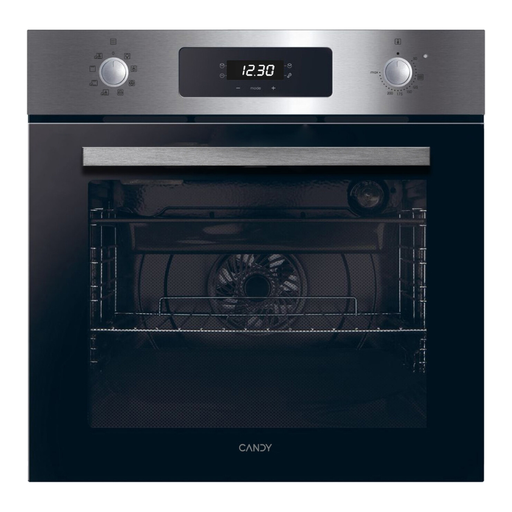 No image available
This single-cavity option suits a meal centred on one enchilada dish, provided the dish fits its shelf.
Its stated capacity is 70 L, but capacity does not establish shelf dimensions. Check the cabinet opening and the exact connection instructions before ordering.
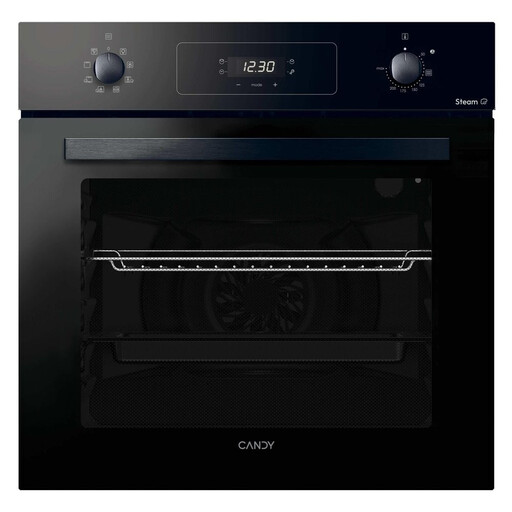 No image available
Consider this single-oven format if enchiladas are usually your main oven dish.
The stated 65 L capacity is a starting point, not a dish-fit measurement. Compare your dish with the usable shelf dimensions and confirm the required electrical connection.
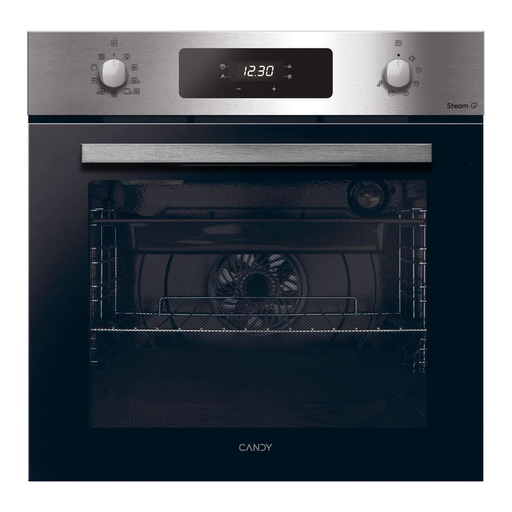 No image available
This single-oven format is relevant to a one-dish meal if a pyrolytic cleaning programme also suits your routine.
Check your dish against the usable shelf space and confirm the cabinet opening and electrical connection. Follow the exact manual’s instructions for removing shelves and trays before a cleaning cycle.
A single fan oven is a practical starting point when the enchiladas are the main oven dish and the baking dish fits its shelf. Consider a double oven if sides or dessert regularly need a separate temperature or timing, and measure its main cavity before choosing.
Measure both the cabinet opening and your enchilada dish, then compare them with the exact model’s installation diagram and usable shelf dimensions. Many built-in single ovens are around 60 cm wide and high, while double ovens are often taller, but the required clearances still depend on the model.
No: electrical connection is model-specific. Bosch and NEFF identify hardwired or no-plug connections for the cited models, while Electrical Safety First advises checking an oven’s power requirements and using a qualified electrician where needed.
No. Use the energy label and product information to compare ovens on their stated basis, then consider the cavity size and cooking functions you expect to use. The label alone cannot determine electricity use for your particular meal.