One-cavity family cooks
If you normally cook fish parcels and sides as one coordinated meal, focus on whether your dishes and trays fit the usable cavity and whether its fan functions and controls suit your cooking plan.


Choose a single fan oven if the fish parcels and sides fit one cavity and can follow one cooking schedule; choose a double oven if dishes regularly need separate temperatures or timings. Check cabinet fit and electrical requirements before settling on either format. Added-steam and multifunction features are worth considering for other cooking you plan to do, not as a promise of better fish parcels.
If you normally cook fish parcels and sides as one coordinated meal, focus on whether your dishes and trays fit the usable cavity and whether its fan functions and controls suit your cooking plan.
If fish, vegetables, potatoes or another course often need different settings or finishing times, two separately controlled cavities may matter more than the size of one cavity.
If routine cleaning and installation are as important to you as cooking functions, compare the exact model’s cleaning method, controls, energy information and connection requirements.
Decide whether the meal needs one cooking space or two before comparing optional functions. A stated cavity volume is a starting point, but your dishes, cabinet opening and electrical connection still have to fit the chosen model.
Choose it when: Fish parcels and sides can share one cavity and a workable cooking schedule.
Trade-off: You cannot give a side dish a separate oven temperature or programme at the same time.
Choose it when: Different dishes regularly need separate cooking spaces or timings.
Trade-off: Each cavity has its own usable space, and the appliance must fit the intended housing and electrical installation.
| Concern | What to check | Who this matters to |
|---|---|---|
| Usable cooking space | Compare cavity and shelf dimensions with your parcel dish and side-dish trays; check the cabinet cut-out as well as the stated volume. | I need the whole family meal to fit without assuming a litre figure tells me the tray layout. Around 42% of consumers put meal fit and usable space first. |
| Separate cooking schedules | Check each cavity’s functions and capacity, and whether both can operate together. | My sides or another course often need a different temperature or finishing time from the fish parcels. For around 33% of consumers, separate cooking spaces are the primary concern. |
| Everyday ownership | Compare the model’s cleaning instructions and energy information, then confirm its connection requirements with the installation instructions. | I want an oven I can maintain and install appropriately, rather than choosing by cooking features alone. Those ownership checks come first for around 25% of consumers. |
A cooking-function name does not establish how evenly every model performs. Which? reports substantial differences between ovens in its grill heat-coverage tests, though a grill result should not be mistaken for a fan-cooking result.
Look for independent tests of the functions you will use, and check the exact model’s manual for shelf-position guidance.
Stated capacity does not tell you whether your parcel dish and side trays will fit together, or whether the appliance fits its housing.
Measure the cabinet opening and your cookware, then compare them with the model’s installation drawing and usable shelf dimensions.
An incompatible opening or connection could mean altering the installation or choosing another oven.
Electrical Safety First notes that some ovens use a plug while others require hardwiring; an extension lead is not a substitute for checking the appliance’s power requirements.
Read the exact model’s installation instructions and ask a qualified electrician to assess the connection where required or where the existing circuit is uncertain.
Professional electrical assessment or installation may be needed, depending on the oven and existing wiring.
A class does not describe cavity size or energy use for a particular cooking cycle. The UK government’s oven energy-information guidance identifies usable volume and energy consumption among the information available for comparison.
Read the product information sheet and compare the corresponding cavities and fan-forced cycle figures, particularly when weighing a single oven against a double oven.
The BBXIF243 illustrates a full-size built-in single fan oven for meals planned around one cavity.
Compare the exact model if you are considering either a double-oven layout or a single oven with additional functions.
The GE7CP61FB illustrates a double-oven option for dishes that need separate cooking spaces.
These built-in single and double ovens offer different ways to plan fish parcels and sides. Start with the number of cooking spaces you need, then check cookware fit, housing dimensions and installation requirements for the model you choose.
 No image available
Consider a double-oven layout if fish parcels and sides regularly need separate cooking spaces. Check each cavity’s functions and usable tray dimensions, as well as the housing and electrical requirements, before choosing this model.
 No image available
The double-oven format is relevant when the meal needs two cooking spaces. Confirm the intended installation position, the capacity and functions of each cavity, and the electrical requirements against your kitchen plans.
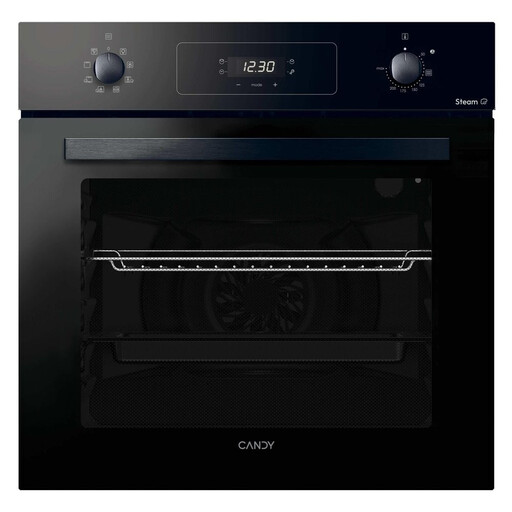 No image available
A single cavity is a practical format when the fish parcels and sides can follow one cooking plan. The stated capacity is 65L; compare your cookware with the usable shelf space and check the installation instructions for the required connection.
 No image available
Consider this single-oven format if your dishes can share one cavity. Check its cooking functions, timer availability and usable shelf space against your meal plan, then confirm housing and electrical fit.
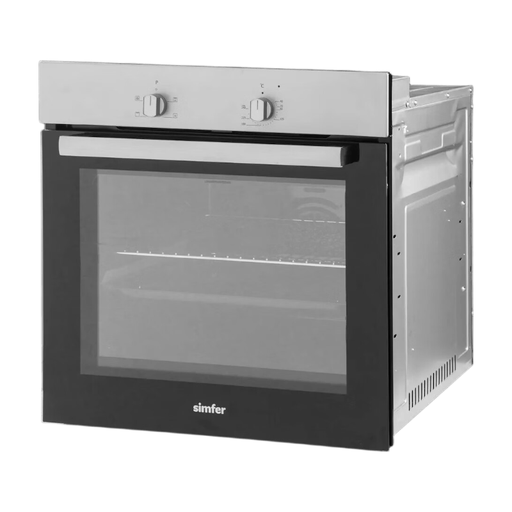 No image available
This single fan oven is an option when fish parcels and sides can use one cooking space. Measure your dishes and cabinet opening, and confirm the timer and electrical connection if either affects your choice.
Yes, this article uses convection oven to mean a domestic fan oven. Brands use different names for their fan-cooking functions, so check the exact model’s cooking modes rather than relying on the name alone.
Choose a single fan oven if the dishes fit together and can follow one cooking schedule; consider a double oven if they regularly need separate settings or timings. Measure your cookware and compare the usable space in each cavity before deciding.
That depends on the exact oven and your existing installation. Electrical Safety First says some ovens use a standard plug while others require hardwiring; check the model’s instructions and use a qualified electrician where required or if the circuit is uncertain.
Compare the relevant cavity’s energy class, usable volume and fan-forced energy consumption per cycle, using the product information sheet. Take care not to compare one cavity of a double oven with an entire single oven as though they were the same cooking space.
Follow the fish packaging and recipe instructions, and check that the fish is cooked through rather than relying on the oven setting alone. Parcel size and the accompanying ingredients can affect the cooking plan, so use the instructions that apply to the food you are preparing.