What matters when choosing
Decide whether your dinner usually needs one shared cooking environment or two separately controlled cavities. Then check whether the oven, cookware and installation can work together in your kitchen.
Single fan oven
Choose it when: The casserole and sides can cook at compatible settings, and one cavity offers enough usable shelf space.
Trade-off: Even on models with multi-level fan cooking, the dishes share one cooking environment; the manufacturer’s shelf guidance and your cookware determine what can go in together.
Double oven
Choose it when: You regularly want a casserole in one cavity while a side or dessert uses different settings in the other.
Trade-off: Check the size and cooking modes of each cavity separately, as well as the housing and electrical requirements for the exact oven.
| Concern |
What to check |
Who this matters to |
| Space for several dishes |
Measure the casserole dish and trays; compare their dimensions with the cavity, shelf spacing and supplied shelves. |
If my casserole occupies a deep shelf, I still need room to cook sides without making separate batches. Roughly 42% of consumers would put space for several dishes first. |
| Fan cooking and timing |
Check the available fan mode, timer controls and instructions for using the shelves together. |
When dinner has several components, I want to plan their timings around the recipe and the oven mode. Around 25% of consumers would make cooking control their main concern. |
| Cabinet and electrical fit |
Use the exact installation instructions to check housing dimensions, ventilation, electrical rating and connection type. |
If I am replacing a built-in oven, I need to know it can be fitted and connected safely before arranging dinner plans around it. About 25% of consumers would prioritise installation fit. |
| Cleaning after dinner |
Compare the exact model’s cleaning system with the maintenance steps in its manual. |
After cooking for guests, I want a cleaning routine I am willing to keep up. Roughly 8% of consumers would put easier clean-up first. |
Brands to consider
These brands illustrate different built-in fan-oven features and formats. Compare individual models rather than assuming that a feature or installation requirement applies to every oven from a brand.
Beko
The BBXIF243 illustrates Beko’s built-in single fan-oven range, with a stated 72 L cavity and AeroPerfect airflow feature.
- Beko describes its airflow feature as intended to minimise temperature fluctuations; the BBXIF243 also has a catalytic back wall.
- Its appliance dimensions are not cabinet cut-out dimensions. Check the BBXIF243 installation instructions and your cookware before relying on its stated capacity.
Hotpoint
Hotpoint’s built-in range includes single and double formats. The HO 455C B UK is a 71 L single-oven example.
- Hotpoint states that the HO 455C B UK supports cooking on up to three levels and lists catalytic cleaning for that model.
- Check the chosen oven’s modes and shelf guidance before planning several dishes together; claims for the HO 455C B UK do not describe every Hotpoint oven.
Neff
Neff offers built-in single and double ovens, including the B1DCC0AK3B single model and U1ACE2AG3B double model.
- Neff states that CircoTherm on the cited single model allows cooking on up to three levels; its cited double model provides cooking methods in a second cavity.
- The cited models specify electrical connection by an electrician. Confirm the requirements and available space for the exact model you choose.
Joybuy oven choices
These built-in single and double ovens offer starting points for different dinner-party plans. Compare the available cavity space and installation instructions for each model against your cookware and kitchen before choosing.
 No image available
Belling BEL BI903MFC 90 cm built-in double oven
Consider this double-oven format if your casserole and another dish need separate cooking environments. The listing identifies it as a built-in multifunction double oven in a 90 cm format; check the space available in each cavity, cabinet requirements and electrical instructions for this exact model.
View on Joybuy
 No image available
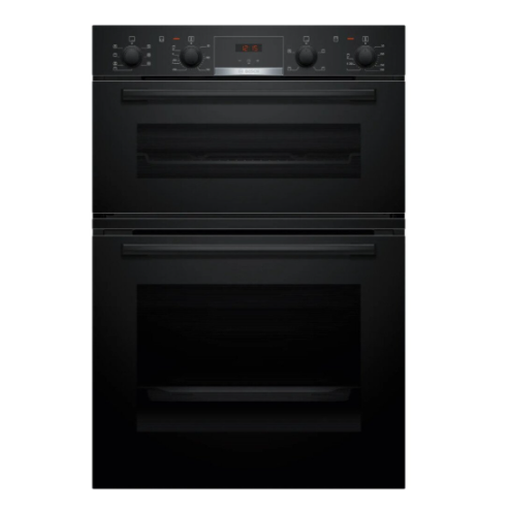
Bosch Series 4 MBA533BB3B electric double oven
A double oven is worth considering when a casserole and another course need different settings. Check the MBA533BB3B’s individual cavity dimensions and modes, along with its housing and electrical installation instructions, before planning both dishes around it.
View on Joybuy
No image available
Bosch Series 4 HQA574BS3B pyrolytic single oven
This single-oven format is relevant when the casserole and sides can share one cooking environment. The product name identifies pyrolytic cleaning; check the model’s shelf space, cleaning instructions and installation requirements to see whether it suits your routine.
View on Joybuy
 No image available
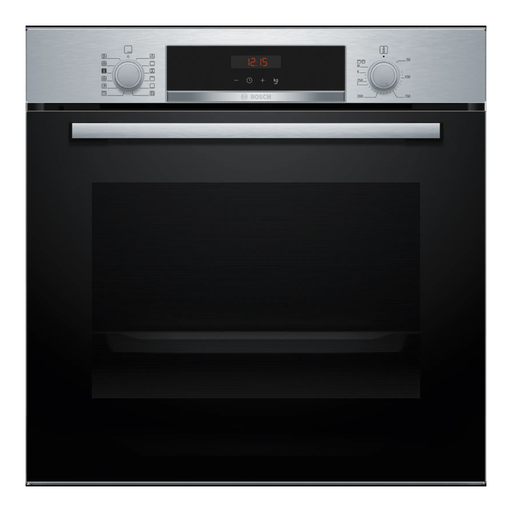
Bosch Series 2 HHF113BA0B built-in single electric oven
A built-in single oven can suit a meal whose dishes use compatible settings, provided your casserole dish and trays fit together. For the HHF113BA0B, check the usable shelf layout and the exact cabinet and electrical requirements before ordering.
View on Joybuy
 No image available
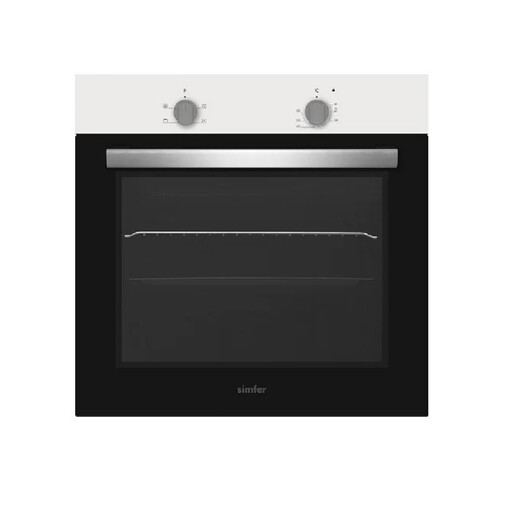
Simfer FO60W built-in electric single oven
Consider this single-oven format if your casserole and accompanying dishes can use the same cooking environment. Compare the FO60W’s internal space and shelf spacing with your cookware, and use its installation instructions to check cabinet fit and electrical connection.
View on Joybuy
Frequently asked questions
What fan-oven temperature should I use for a sausage casserole?
Use the setting in your casserole recipe and follow the oven’s instructions for its fan mode; there is no single temperature for every sausage dish. Good Food specifies 180°C fan for a sausage and squash traybake, but that setting does not establish the time or temperature for a wetter casserole. Check that the sausages are fully cooked before serving.
Is a large single fan oven enough for a dinner party?
It can be enough if the casserole and accompanying dishes fit on the shelves and can cook at compatible settings. Beko states a 72 L capacity for the BBXIF243, and Hotpoint states a 71 L capacity and cooking on up to three levels for the HO 455C B UK. Neither capacity figure confirms that your particular dish and trays will fit together.
When should I choose a double oven instead?
Choose a double oven when you regularly need separate cooking environments, such as a casserole in one cavity and a side or dessert at a different setting in the other. Check the cooking modes and usable space in both cavities, as well as whether the double-oven housing will fit your kitchen.
Will I need an electrician for a built-in fan oven?
Check the connection requirements for the exact oven and your existing electrical supply before arranging installation. Electrical Safety First advises checking oven power requirements, and the cited Neff single and double models specify connection by an electrician. Arrange a suitably qualified installer for the work your chosen model and kitchen require.


