Tart-focused home bakers
If the tart is the main oven task, focus on the cooking mode, the recipe’s fan setting and the oven’s shelf guidance before deciding whether a second cavity would serve a purpose.


Choose a single built-in fan oven if the chocolate tart is the main oven task and one cavity can accommodate the rest of the meal. A double oven is more useful when other dishes need a separate cavity or temperature, provided the taller appliance fits the cabinet and its electrical requirements can be met. For either choice, check whether the recipe specifies a fan-oven temperature and follow the chosen model’s shelf guidance.
If the tart is the main oven task, focus on the cooking mode, the recipe’s fan setting and the oven’s shelf guidance before deciding whether a second cavity would serve a purpose.
If the tart must cook alongside savoury dishes, decide whether they can share one cavity’s temperature and schedule or need separate cooking spaces.
If the oven must fit an existing built-in space, compare the exact installation drawing and electrical requirements with the cabinet and supply before committing to a single or double model.
Decide whether the tart and other dishes need separate temperatures before choosing a cavity format. Then check that the model can be installed in the available space.
Choose when: One cavity is enough for the tart and the rest of the meal.
Trade-off: It cannot cook another dish in an independently heated second cavity.
Choose when: The tart and other dishes need separate cavities or temperatures at the same time.
Trade-off: The Bosch and Neff double-oven examples are taller than the AEG single-oven example, so an existing single-oven aperture cannot be assumed to fit.
| Concern | What to check | Who this matters to |
|---|---|---|
| Fan baking | Check the exact cooking modes and shelf guidance, and whether the tart recipe gives a fan-oven temperature. | If the pastry case and filling are my main focus, I want to use the recipe at an appropriate fan setting rather than assume every oven needs the same adjustment. Around 46% of consumers would put tart-baking control first. |
| Meal coordination | Compare the cavity arrangement and whether the other dishes need different temperatures or can share a cooking schedule. | When the tart must accompany other dishes, I need to know whether one oven will create a timing conflict. Meal coordination would be the first concern for around 36% of consumers. |
| Fit and connection | Compare the cabinet aperture with the installation drawing and check the model’s electrical requirements. | If I am replacing a built-in oven, it has to fit and connect safely before its cooking features matter. Around 18% of consumers would make installation their primary concern. |
A recipe written for conventional heat may give a different instruction from one written for a fan oven; an unchecked adjustment can change how the pastry browns or the filling sets.
Check the recipe’s temperature format and use the chosen oven’s manual for its cooking mode and shelf position.
AEG lists built-in dimensions of 590 × 560 × 550 mm for its BSX23101XM single oven, while the Bosch MBA533BB3B and Neff U2ACH7AG7B double ovens have stated appliance dimensions of 888 × 594 × 550 mm. These measurements do not replace a model-specific cut-out drawing.
Measure the existing aperture and compare it with the exact installation instructions before ordering.
A mismatched aperture may require alterations to the cabinetry and installation plan.
Bosch specifies electrician connection for the MBA533BB3B. Electrical Safety First advises checking an oven’s power requirements against the electrical installation.
Check the selected model’s connection instructions and seek a qualified electrician’s advice if the existing arrangement is uncertain.
Aqua Clean, EasyClean and pyrolytic cleaning describe different model-specific functions; none is a reason to disregard the oven’s cleaning instructions.
Compare the functions on the exact models you are considering and follow their instructions for cooling, residues and cleaning cycles.
AEG’s BSX23101XM illustrates the single built-in oven route for a tart-led meal.
The MBA533BB3B illustrates a built-in double oven for cooking the tart alongside dishes that need another cavity.
The B3ACE4AG3B single oven and U2ACH7AG7B double oven illustrate different Neff formats with CircoTherm cooking.
These built-in single and double ovens relate to the tart-and-family-meal decision. Choose by the number of cooking spaces you need, then confirm the exact model’s cooking modes, cabinet cut-out and electrical instructions.
 No image available
Consider this double oven if the tart and other dishes need separate cooking spaces.
Bosch lists two cavities and 3D Hotair for the MBA533BB3B. Check the cabinet cut-out against its installation drawing; Bosch specifies electrician connection.
 No image available
Consider a double-oven format when the tart needs its own cooking space alongside other dishes.
Check the BEL BI903MFC’s cavity modes, required cabinet cut-out and electrical connection in the exact model instructions before ordering.
 No image available
A single oven is a route to consider when the tart and the rest of the meal do not need independently heated cavities.
Check the HHF113BA0B’s cooking modes, shelf guidance, cabinet cut-out and connection instructions against your recipe and kitchen.
 No image available
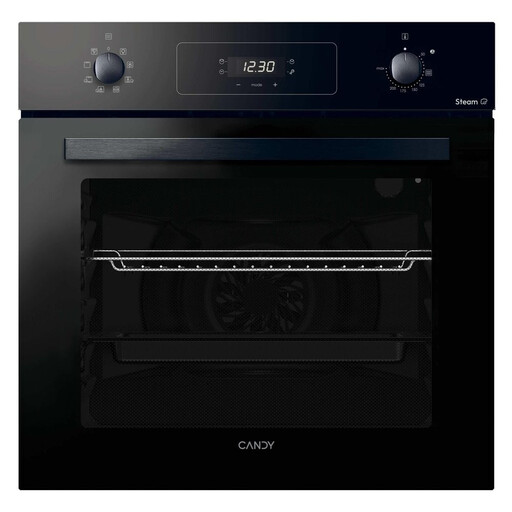
This 65 L single oven is worth considering if one cavity meets your family-meal plan.
Check its exact fan-cooking instructions and cabinet cut-out. Confirm the electrical connection in the model instructions before buying, as the available product descriptions differ on whether it is hardwired or can use a suitable plug.
 No image available
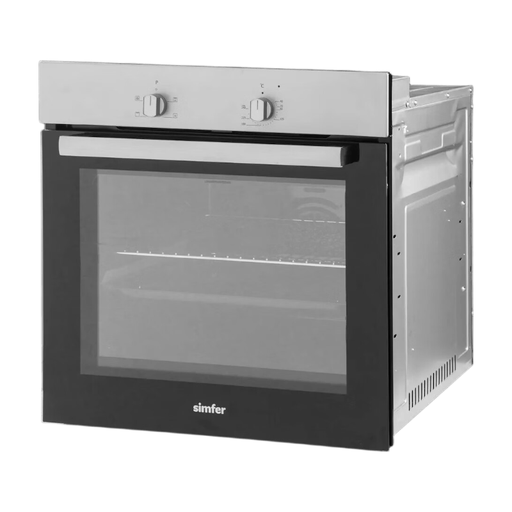
Consider this single fan oven when the tart-led meal can be cooked in one cavity.
Check the FO60S installation drawing and electrical instructions before ordering. In particular, confirm the required cut-out rather than relying on the product’s nominal size.
Yes, when you use a fan setting appropriate to the recipe and follow the oven’s shelf guidance. AEG describes its true-fan cooking mode as supporting even baking, but that does not mean every tart recipe should use the same temperature.
No: a single oven can suit a tart-led meal if one cavity accommodates your cooking schedule. A double oven becomes useful when other dishes need a separate cavity or temperature; its cabinet-space requirements also need checking.
Measure the cabinet aperture and compare it with the exact model’s installation drawing, not just its front-panel size. For context, AEG gives 590 × 560 × 550 mm as built-in dimensions for its BSX23101XM single oven, while Bosch lists 888 × 594 × 550 mm as appliance dimensions for its MBA533BB3B double oven.
Check the chosen appliance’s connection instructions and the existing electrical installation before arranging fitting. Bosch specifies electrician connection for the MBA533BB3B, and Electrical Safety First advises reviewing an oven’s power requirements; the applicable building-regulations route also depends on where the work takes place in the UK.
Let the oven cool and follow its model-specific cleaning instructions. AEG’s BSX23101XM lists Aqua Clean, while Neff’s U2ACH7AG7B lists EasyClean and pyrolytic cleaning; the functions are not interchangeable.