Family one-dish cooks
If the cottage pie is the centrepiece, start with the size of your casserole dish and the shelf space left for an occasional side tray. A single fan oven may be enough when both dishes can cook at a compatible temperature.


Choose a single fan oven if the lentil cottage pie is usually the main oven dish and any sides can share its cooking temperature. A double oven is worth considering when sides or dessert regularly need a separate cavity, but check the main cavity and cabinet opening: a double oven will not necessarily fit the space left by a single one. For either choice, confirm that your dish fits and check the selected model’s installation and electrical requirements before ordering.
If the cottage pie is the centrepiece, start with the size of your casserole dish and the shelf space left for an occasional side tray. A single fan oven may be enough when both dishes can cook at a compatible temperature.
If the pie often shares the menu with a side or dessert needing different timing or heat, separate cavities give you another way to schedule the meal. Check the usable space in each cavity rather than relying on combined capacity.
If an oven is already installed, the cabinet opening and electrical supply may narrow your options before cooking features do. Compare the exact model’s fitting and connection instructions with your kitchen.
Decide whether the pie and other dishes need separate temperatures. Then check that your casserole dish fits the cavity and that the oven fits your kitchen.
Consider it when: One family-size pie is the main oven dish, with side trays only when their cooking requirements are compatible.
Trade-off: Multiple shelves do not provide independently controlled temperatures. AEG UK lists a 72 L cavity for its BPX535061M single oven, but capacity alone cannot establish whether your dish and trays will fit.
Consider it when: The pie regularly needs to cook alongside another dish at a different temperature or on a different schedule.
Trade-off: Check both the fitting arrangement and each cavity’s size. AEG UK specifies a 45 L main cavity and a 720 × 600 × 550 mm built-in space for its DUE731110M built-under model; those figures do not describe every double oven.
| Concern | What to check | Who this matters to |
|---|---|---|
| Cooking space and evenness | Compare cavity dimensions and shelf positions with your casserole dish and any side tray. Check the exact fan or multilevel mode rather than treating litre capacity as a fit measurement. | If my pie takes up most of a shelf, I need room for the dish and dependable cooking when I add a tray. Roughly 42% of consumers would put cooking space and evenness first. |
| Separate dishes | Check whether you need two independently controlled cavities or can use multiple shelves at one temperature; compare the usable space in each cavity. | When a side or dessert needs different heat from the pie, I want to cook it without changing the pie’s setting. Separate scheduling would be the main concern for around 33% of consumers. |
| Installation and upkeep | Match the required cabinet opening and electrical connection to your kitchen, then check the selected cleaning method’s instructions. | Replacing an installed oven means I need a suitable fit and connection, as well as a cleaning routine I can manage. Around 25% of consumers would prioritise those practical requirements. |
Cabinet openings differ even when ovens look similar from the front. AEG UK specifies a 590 × 560 × 550 mm built-in space for the BPX535061M single oven and 720 × 600 × 550 mm for the DUE731110M built-under double oven.
Measure your existing opening and compare it with the installation specification for the exact oven you intend to buy.
A multilevel fan mode is useful to consider, but the dish, shelf position and cooking instructions still matter when a pie shares the oven with other trays.
Check the manual’s shelf and temperature guidance, then allow for adjustments when cooking your particular meal.
Connection arrangements vary by model. Bosch UK identifies a GB plug for the HHF133BS0B, while NEFF UK specifies electrician connection without a plug for the B4ACF1AN3B. Electrical Safety First advises checking an oven’s power requirements against the existing supply.
Read the selected model’s installation instructions before ordering and seek advice from a qualified electrician if you are unsure about the circuit or connection.
Pyrolytic cleaning, catalytic liners and cleaning coatings have different procedures and coverage. A feature described for one oven should not be assumed to work the same way on another.
Check the exact manual for preparation, wiping and ongoing care before choosing a cleaning system.
AEG UK provides examples of both a full-size single oven and a built-under double oven relevant to this choice.
Bosch UK’s HHF133BS0B is a single built-in oven to examine if multilevel fan cooking is important.
NEFF UK lists single ovens with CircoTherm multilevel cooking, with access and cleaning features varying by model.
These single and double electric ovens offer starting points for a family cottage pie. Compare each one with the space your dish needs and the installation arrangement in your kitchen; the Bosch MBA533BB3B double oven is specified for eye-level installation, not beneath a worktop.
 No image available
Consider two cavities if the pie and another dish need separate cooking space. This built-in model is specified for eye-level installation rather than beneath a worktop; check the required housing opening and electrical instructions before ordering.
 No image available
A single cavity is worth considering when the pie and any side tray can share a cooking temperature. This model calls for a hardwired installation; check its housing dimensions and your circuit before purchase.
 No image available
Consider the separate cavities when a pie and side dish need their own cooking space. Check the fitting dimensions, connection requirements and space for your casserole dish before choosing this built-in model.
 No image available
The single cavity and fan-assisted cooking make this a model to compare for a one-dish family meal. Check that your casserole fits the 65 L cavity and confirm the cabinet opening and connection method in the installation instructions.
 No image available
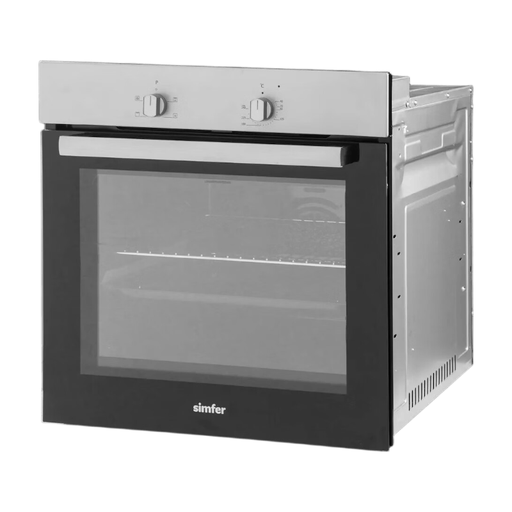
Consider this single fan oven when the pie is the main oven dish and accompanying trays have compatible cooking needs. Check your dish against the usable shelf space, and confirm the required cabinet opening and electrical connection before ordering.
No, not if the pie and any side trays fit a single oven and can cook at a compatible temperature. Choose a double oven when you regularly need separate cooking zones, while checking the main cavity and cabinet opening of the exact model.
Look for a documented multilevel fan mode if you expect to cook on more than one shelf. Bosch UK describes 3D Hotair and NEFF UK describes CircoTherm for cooking on up to three levels on the cited models; follow your chosen oven’s manual for shelf positions and temperatures rather than assuming every recipe cooks the same way.
Yes: plug and hardwired arrangements differ between ovens. Electrical Safety First advises reviewing power requirements to avoid overloading existing wiring, so compare the selected model’s installation instructions with your supply and consult a qualified electrician if unsure.
Check the energy label and product information sheet for the oven you are considering. UK government guidance says in-scope products must have an accurate energy label displayed at the point of sale, including on a website, and be accompanied by a product information sheet.
No. AEG UK describes pyrolytic cleaning on its BPX535061M single oven and catalytic cleaning on its DUE731110M built-under oven. Check the selected model’s manual to see which surfaces and tasks its cleaning system covers.