Multi-tray pastry hosts
If several trays must bake during one cooking session, check how many shelf levels the exact oven model is designed to use at once. Which? identifies fan cooking as particularly useful when more than one shelf is in use.


For several trays of pastry twists, look for a single fan oven whose exact-model specifications state multi-level cooking. A double oven makes more sense when other dishes need a separate cavity or temperature, but check each cavity’s functions, cabinet fit and electrical requirements before ordering. A conventional heating mode also gives you an option for baking one tray.
If several trays must bake during one cooking session, check how many shelf levels the exact oven model is designed to use at once. Which? identifies fan cooking as particularly useful when more than one shelf is in use.
If pastry twists share the menu with other dishes, two cavities may let you run different cooking tasks alongside each other. Which? notes the flexibility of double ovens; the cooking modes and usable space of each cavity still need checking.
If the oven must replace an appliance in an existing cabinet, measure the opening and check the model’s installation instructions. Electrical Safety First also advises reviewing power requirements before choosing an oven.
Decide whether pastry trays need to share one cavity or other dishes need their own. Then check the cooking functions and installation requirements of the exact model.
| Concern | What to check | Who this matters to |
|---|---|---|
| Even multi-tray baking | Look for an exact-model statement of multi-level fan cooking and the number of usable shelf levels. | When I have several trays of pastry twists to bake, I want to know whether they can cook across the stated shelf levels without constant rearranging; around 42% of consumers put multi-tray consistency first. |
| Separate cooking zones | Compare the cooking mode, usable space and shelf positions in each cavity of a double oven. | If another dish needs the oven while the twists bake, I need a separate cavity rather than more space in just one; roughly 33% of consumers prioritise that meal-planning flexibility. |
| Fit and installation | Match the appliance and required cabinet-opening dimensions, then check connection type and electrical load. | With an existing cabinet and electrical supply, I need an oven that can be installed safely before its extra functions matter; about 25% of consumers make fit and installation their primary concern. |
A fan setting can be useful for more than one shelf, as Which? explains, but it does not tell you how evenly a particular oven bakes across its cavity.
Check the exact model’s stated multi-level capability and, where available, independent assessments of heat distribution and temperature accuracy.
Built-in and built-under double ovens are intended for different cabinet positions. Their two cavities may also have different cooking functions.
Compare the manufacturer’s appliance and cabinet-opening dimensions with your kitchen, and confirm that the cavity intended for pastry has the cooking mode you need.
Connection requirements vary by model. Bosch and Neff specify electrician connection for the models discussed below, while Electrical Safety First advises checking an oven’s power requirements against the available supply.
Read the installation instructions before ordering and consult a qualified electrician where the model requires one or the supply is uncertain.
A connection that needs electrical work can add another task before the oven can be used.
An energy class alone does not describe every aspect of how an oven will suit a family baking session.
Read the exact model’s energy label and product information sheet alongside its cavity and installation details, using documentation applicable to your delivery location.
One reference point for a built-in double oven with a specified multi-level hot-air function is the Bosch MBA533BB3B.
The Neff B1GCC0AN0B is a single built-in oven to consider when a named multi-level hot-air system matters.
The AEG OU5PB40PK brings together a single fan-oven cavity, stated multi-level cooking and a cleaning function.
These built-in single and double ovens offer different ways to plan pastry baking for a family gathering. Check each model’s stated shelf-level use and installation instructions before relying on it for your kitchen.
 No image available
Consider this single-cavity oven if you want a stated 65 L capacity for planning a pastry batch. Before using more than one shelf at once, confirm the model’s permitted shelf-level arrangement; check the cabinet opening and electrical instructions too.
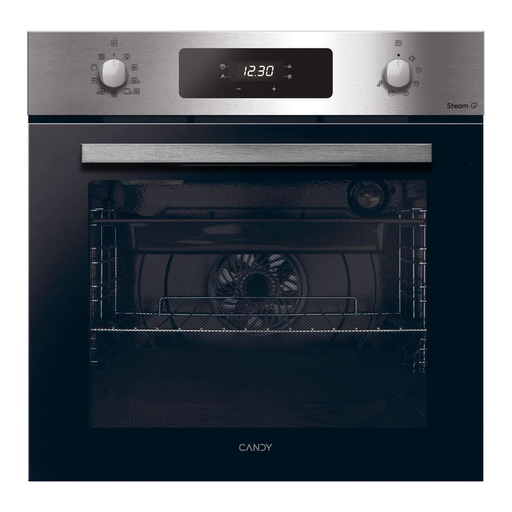 No image available
This single-oven option is worth considering if a pyrolytic cleaning function matters after baking. Confirm its simultaneous shelf-level use, required cabinet opening and electrical connection before choosing it for batch cooking.
 No image available
A double oven is relevant when pastry twists and another dish need separate cavities. Check which cavity has the required pastry-baking mode, whether it permits simultaneous shelf-level cooking, and how the appliance fits and connects in your kitchen.
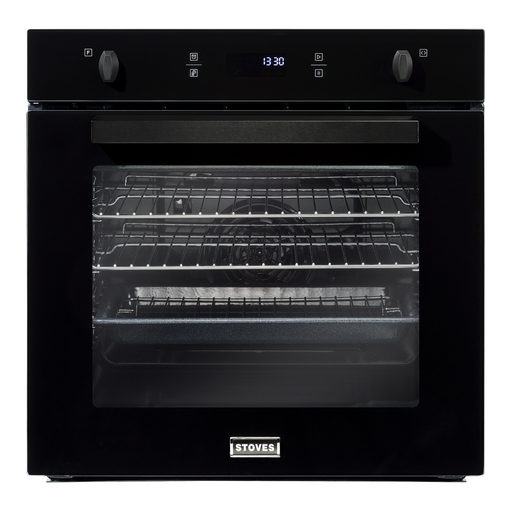 No image available
This 60 cm single-oven option may suit a kitchen planned around one baking cavity where pyrolytic cleaning is also a priority. Check cavity capacity, shelf-level use, cabinet-opening dimensions and electrical instructions for the exact model.
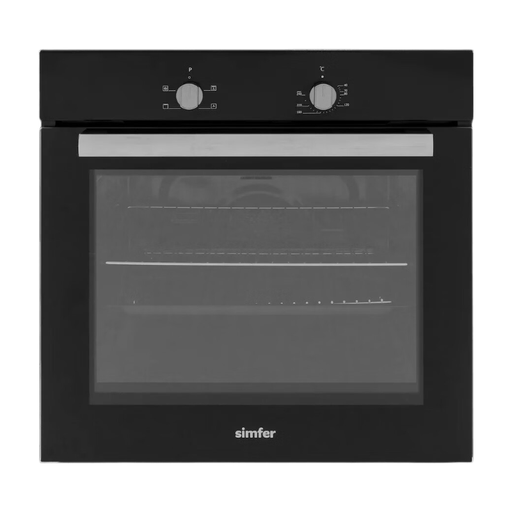 No image available
This single fan oven is an option if pastry baking will take place in one cavity. Confirm how many shelf levels the exact model can use together and check its electrical connection against your kitchen’s provision.
Yes, a fan setting is particularly useful when cooking on more than one shelf, according to Which?. For several trays of pastry twists, also confirm the exact oven’s stated multi-level capability rather than assuming all fan ovens bake alike.
Conventional top-and-bottom heat can be suitable for a single shelf of pastries. A multifunction oven gives you the option to choose that setting for one tray and fan cooking when you need several shelves.
Not automatically: its main advantage here is a separate cavity for another dish. Which? assesses heat distribution and temperature accuracy when testing ovens, so check those aspects of the model and the cooking mode in the cavity you plan to use for pastry.
Check the appliance and required cabinet-opening dimensions, connection type, electrical load and installation instructions for the exact oven. Electrical Safety First advises reviewing power requirements before choosing and consulting a qualified electrician if you are unsure about the supply.
It may reduce manual cleaning work if the chosen oven includes that function. AEG describes the cycle on its OU5PB40PK as turning dirt to ash for wiping away; follow the instructions for your own model and let the oven cool as directed before cleaning.