A built-in single fan or multifunction oven is a sensible starting point if you roast one or several nut loaves in a session and they can share a cooking setting. Consider a double oven when another dish regularly needs a different temperature or timing; in either case, check space for your tins, cabinet fit, cleaning method and the exact model’s electrical connection. A multi-level cooking claim alone does not establish how evenly an oven will roast.
Who is this choice for?
Frequent multi-tray batch cook
You want to roast nut loaf alongside other trays in one session. Shelf spacing, room for your tins and dependable heat matter more than a long list of modes. Bosch, Hotpoint and Neff describe multi-level cooking on particular models, but those claims do not establish identical results on every shelf.
One-cavity meal-prep cook
You usually roast one loaf, perhaps with a side dish, and want an oven that fits your existing housing. A single cavity may be enough if the food can cook at the same setting; a second cavity becomes more useful when dishes need separate settings.
Low-maintenance home cook
Regular roasting makes cleaning part of the decision. Compare the routine required by the exact model’s cleaning system, whether steam-assisted, catalytic or pyrolytic, rather than assuming a fan oven will be easy to clean.
What matters when choosing?
Decide whether your dishes need separate cooking settings before comparing cavity size and features. If you are replacing both an oven and a hob, a freestanding cooker is another format to consider, but it changes the appliance and space you need to accommodate.
Built-in single oven
Choose it when: Your nut loaves and other trays can cook in one cavity at a shared setting.
Accept that: One cavity cannot run two temperatures independently, and an advertised multi-level feature does not guarantee matching results across shelves.
Built-in double oven
Choose it when: You regularly need to roast a nut loaf while cooking another dish at a different setting.
Check first: The housing must suit the particular double-oven format, and cavity sizes and electrical requirements vary by model.
| Concern |
What to check |
Who this matters to |
| Even roasting |
Check the exact model’s fan or hot-air modes and shelf positions. Look for independent heat-distribution and temperature-control results where available. |
If I want repeatable results, I need to know whether a loaf will roast consistently rather than relying on a multi-level claim alone. Around 37% of consumers put even roasting first. |
| Space for a batch |
Measure your tins and trays against the usable shelf layout; decide whether dishes need separate settings. |
When several tins or dishes must cook in one session, I need enough practical space without adding a second cavity I will rarely use. For around 27% of consumers, capacity and parallel cooking are the primary concern. |
| Cleaning routine |
Identify the exact cleaning system and read what its programme or wipe-down routine involves. |
If I roast regularly, I want a cleaning routine I am willing to follow after residue builds up. Cleaning effort comes first for around 18% of consumers. |
| Fit and connection |
Compare the installation drawing with the cabinet and confirm the model’s rated load and connection instructions. |
Before choosing cooking features, I need an oven that fits the housing and suits the available electrical connection. Around 18% of consumers prioritise fit and installation considerations. |
Buying pitfalls
-
Assuming a 60 cm oven front guarantees a fit
Many built-in ovens use a nominal 60 cm format, but appliance dimensions and installation requirements vary by model.
Measure the opening and check the exact installation drawing, including its ventilation requirements, before ordering.
A mismatch can mean cabinet alteration or an installation that cannot go ahead as planned.
-
Treating a fan feature as proof of even roasting
Manufacturer airflow and multi-level descriptions identify features, not the roasting consistency of every oven. Which? reports variation in heat distribution among ovens it tests.
If consistent batches are your priority, look for independent results for the exact model as well as its cooking modes.
-
Checking the electrical connection after delivery
Connection instructions and rated loads vary. Neff specifies electrician connection and no plug for its B1GCC0AN0B, so a familiar built-in format does not establish how another model connects.
Check the chosen oven’s instructions and your household supply before arranging installation.
-
Choosing a cleaning feature you will not use
Steam-assisted, catalytic and pyrolytic cleaning involve different routines; the feature name alone does not tell you how much wiping or preparation you will do.
Read the exact model’s care instructions and choose a routine that fits how often you batch cook.
Brands to consider
Bosch
A reference point for comparing cooking modes and cleaning systems on individual built-in ovens.
- Bosch describes 3D Hotair cooking on up to three levels for its HQA574BB3B; that model is also listed with added steam and pyrolytic plus hydrolytic cleaning.
- Those features and claims belong to the HQA574BB3B, not every Bosch oven, and do not establish that steam is needed for nut loaf.
Hotpoint
Relevant when comparing named multi-level cooking features on built-in single ovens.
- Hotpoint says its HOI68CT0SXUK can cook on up to four levels without flavour transfer.
- That manufacturer claim is not an independent measure of how evenly the model roasts nut loaf.
Beko
Relevant for comparing fan cooking and routine cleaning on a particular built-in single oven.
- Beko describes AeroPerfect airflow, true fan cooking and SimplySteam cleaning on its CIFY81.
- Check the chosen variant’s capacity, fitting dimensions and installation instructions separately.
Neff
A reference for comparing a named hot-air system with installation requirements.
- Neff describes CircoTherm cooking on up to three levels for its B1GCC0AN0B.
- The B1GCC0AN0B is specified without a plug and with electrical connection by an electrician; check that requirement alongside its cooking features.
AEG
Relevant when comparing cavity size, cleaning features or whether two cooking spaces would help.
- AEG specifies a 72 L cavity and pyrolytic cleaning for its BPX535061M single oven; it also presents a separate double-oven format for cooking two dishes at once.
- A larger stated cavity or a second oven is useful only if it suits your tins, dishes and cooking settings.
Joybuy oven choices
These built-in single and double ovens offer different ways to plan a nut-loaf batch. Start with whether you need one cavity or separate cooking spaces, then check the chosen model’s installation requirements.
 No image available
Bosch Series 4 MBA533BB3B Electric Double Oven, Black
Consider its two cooking spaces if another dish needs a setting separate from your nut loaf. Check that your kitchen has suitable double-oven housing and confirm the electrical requirements before ordering.
Joybuy
 No image available
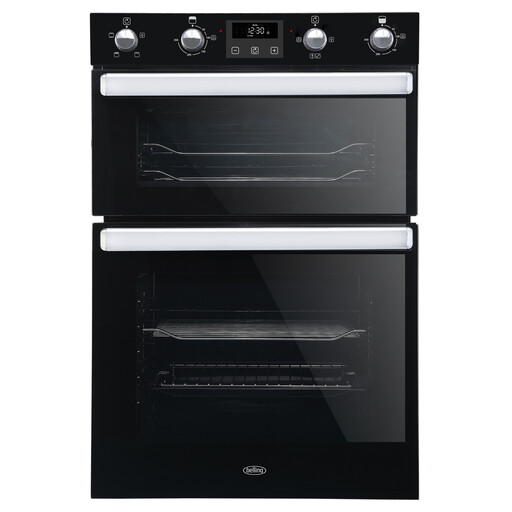
Belling BEL BI902FP Built-In Double Electric Oven, Black
A double-oven option if your batch often includes a dish needing a different setting. The product name states an A energy rating; check the housing dimensions and electrical connection for this model.
Joybuy
 No image available
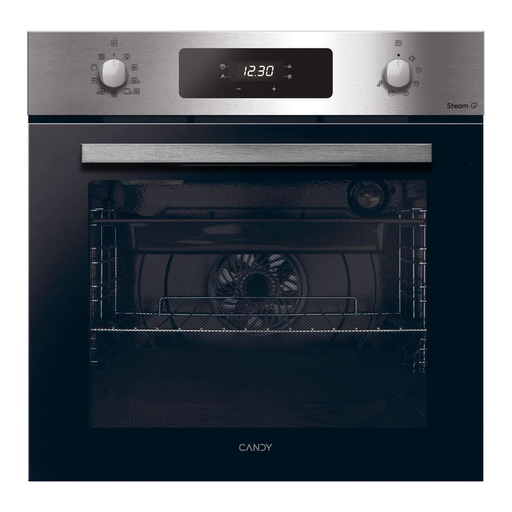
Candy F CM955XRL/CN Built-In Single Oven, Stainless Steel
A single-cavity option if your batch can share one cooking setting. Its product name specifies pyrolytic cleaning and an A energy rating; check the installation drawing and connection instructions for your kitchen.
Joybuy
 No image available
Bosch Series 2 HHF113BA0B Built-In Single Oven, Black
A single-oven choice for batches that do not need separate cooking temperatures. Check its shelf arrangement against your tins, and confirm cabinet fit, connection instructions and the cleaning routine before buying.
Joybuy
 No image available
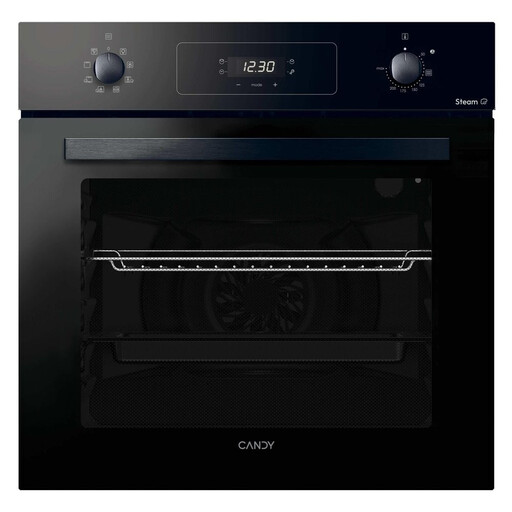
Candy FIDCN605 65 L Built-In Single Oven, Black
Consider this single cavity when your loaf and any accompanying trays can use one setting. The product name states a 65 L capacity and A+ energy rating; measure your tins and confirm the model’s cabinet and electrical requirements.
Joybuy
Common questions
Will a 60 cm built-in oven fit my existing housing?
Not necessarily: check the exact oven’s installation drawing against the cabinet opening. AEG notes that many built-in ovens are designed around a 60 cm cabinet format, but model dimensions and installation requirements vary.
Can I plug in a replacement electric oven?
Only if the exact model’s instructions and your electrical connection allow it. Check the rated load and plug or hardwire requirements before purchase; some built-in ovens, including Neff’s B1GCC0AN0B, specify electrician connection and are supplied without a plug.
Does an energy label tell me what a batch will use?
No: use the label as one comparison point, not a prediction for your particular batch. Consider cavity size, cooking functions and how you plan to use the shelves alongside the labelled information.
Which cleaning system suits regular nut-loaf roasting?
Choose a system whose routine you will use. Beko describes steam-assisted cleaning that softens residue for wiping on its CIFY81, while AEG describes a pyrolytic cycle for its BPX535061M; check the chosen model’s instructions for the steps involved.


