For one or two trays of picnic puff pastry parcels, start with a built-in single oven that fits your kitchen, then assess its shelf layout and evidence of heat distribution and temperature accuracy. A double oven is worth considering when you regularly need a separate cavity for another dish or cooking temperature; either choice still requires a check of the cabinet space and electrical connection.
Who is the oven for?
Batch picnic bakers
If you make several trays to share, look closely at shelf space and evidence of how the oven heats across levels. Neff says selected CircoTherm models can bake on up to three levels, while Hotpoint makes a four-level claim for its Active Multiflow range; neither claim establishes how every model will brown your parcels.
Occasional one-tray bakers
If a picnic batch usually fits on one tray, start with an oven that fits the available cabinet space and has a suitable connection. Which? assesses temperature-control accuracy in its built-in oven tests, making model-specific performance worth checking before paying for extra features.
Low-maintenance kitchen upgraders
If frequent baking makes cleaning a priority, compare the cleaning system on the exact model. Pyrolytic, hydrolytic and other cleaning arrangements vary within manufacturers’ ranges.
What matters when choosing?
Built-in single oven
Choose it when: Your parcels usually take one or two trays and you do not need another dish cooking separately.
Trade-off: One cavity offers less separation when dishes need different temperatures or timings; a fan or hot-air label alone does not establish even baking.
Built-in double oven
Choose it when: Picnic preparation regularly overlaps with another dish needing its own cavity.
Trade-off: It needs a taller installation space, and the two cavities may have different cooking functions; two cavities do not guarantee more even pastry baking.
| Concern |
What to check |
Who this matters to |
| Even baking and tray capacity |
Check shelf positions and tray space, plus independent heat-distribution and temperature-control information where available. |
When I am making several trays to share, I need space for the batch without assuming every shelf will brown alike. Around 45% of consumers put batch capacity and even baking first. |
| Kitchen fit and connection |
Compare the installation cut-out with your cabinet and check the exact model’s electrical connection instructions. |
Before replacing an oven, I need to know that it will fit and can be connected appropriately. For around 33% of consumers, installation compatibility comes first. |
| Cleaning and energy information |
Identify the model’s cleaning system and compare its energy label and product information sheet. |
If I bake frequently, the cleaning routine and the oven’s stated energy information affect my choice. Around 22% of consumers prioritise these considerations. |
Checks before ordering
-
Assuming every fan oven browns pastry evenly
A fan setting describes a cooking mode, not the result you will get across a tray or several shelves. Which? tests heat distribution and control accuracy when assessing built-in ovens.
Look for independent results for the model where available, then check its shelf layout and cooking modes.
-
Ordering before checking the cabinet and connection
A built-in oven must suit its installation space and electrical supply. Electrical Safety First notes that some ovens use a standard plug while others require hardwiring into a dedicated circuit.
Use the model’s installation instructions to check dimensions and connection requirements; consult a qualified electrician if the electrical requirements are unclear.
-
Assuming a brand name tells you how cleaning works
Cleaning systems differ between models, including within the same manufacturer’s range.
Check the named oven’s cleaning function and its operating instructions before choosing it for frequent baking.
-
Comparing ovens by energy class alone
An energy class does not show all the product-specific information useful for a comparison.
Read the energy label alongside the product information sheet for each shortlisted model.
Brands to consider for built-in ovens
Neff
Built-in single and double ovens, including models with CircoTherm hot-air cooking.
- Neff says its B1ACE4AG3B can bake on up to three levels; its U1ACE2AG3B is a double oven with separate cavities.
- Check the exact model’s dimensions, cleaning system and electrical installation requirements rather than applying one model’s features to the range.
Bosch
Built-in ovens with model-specific combinations of hot-air, cleaning and steam-related functions.
- Bosch lists 4D Hotair for its HBG6764S1 and an added-steam function for its HRS574BS0B.
- Those features do not establish that all Bosch ovens brown puff pastry more evenly or make it crisper than other models.
Hotpoint
Built-in single ovens, including the Active Multiflow range for buyers considering multi-level cooking.
- Hotpoint says Active Multiflow supports cooking on up to four levels.
- Confirm the chosen model’s functions, dimensions and installation requirements; a range-wide airflow claim is not an independent pastry-baking result.
Built-in ovens on Joybuy
These single and double built-in ovens cover a one-cavity picnic batch and the option of a separate cavity when another dish needs cooking. Compare each model’s installation instructions and baking information against your kitchen and tray layout.
 No image available
Belling BEL BI903MFC 90 cm built-in double oven
Consider the double-oven format if parcels and another dish need separate cavities. Check the cabinet cut-out and electrical installation instructions before ordering; two cavities alone do not establish even pastry browning.
View on Joybuy
 No image available
Bosch HHF113BA0B Series 2 built-in single electric oven
The single-cavity format is worth considering when picnic parcels are the main dish. Check the model’s shelf arrangement, cabinet cut-out and electrical instructions, and seek model-specific baking results if even browning is a priority.
View on Joybuy
 No image available
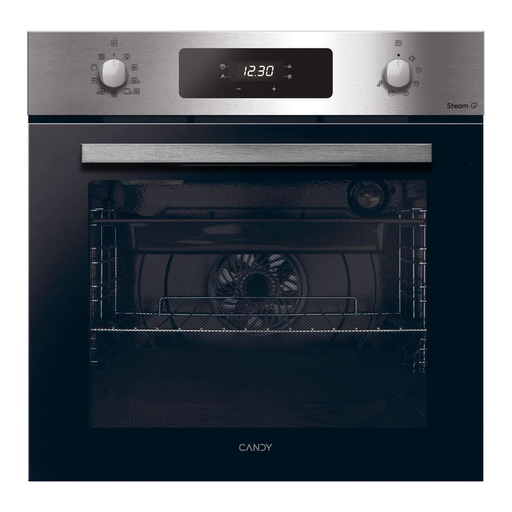
Candy F CM955XRL/CN built-in single oven with pyrolytic cleaning
This single oven combines the one-cavity format with a pyrolytic cleaning feature for consumers who bake frequently. Check the cleaning instructions, cabinet cut-out and electrical connection requirements for this model.
View on Joybuy
 No image available
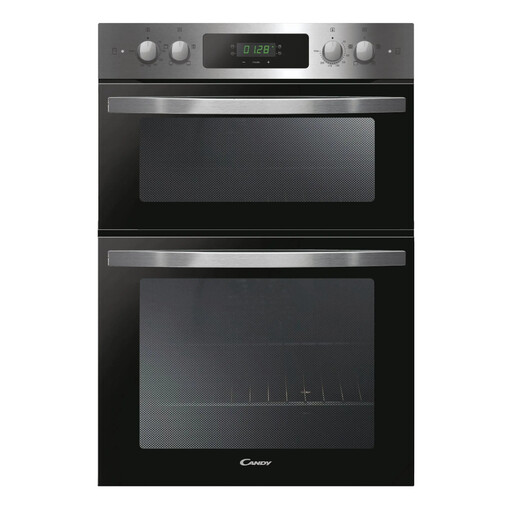
Candy FCI9D405X built-in electric double oven
Consider its double-oven layout when another dish needs a separate cavity during picnic preparation. Confirm the exact cut-out and connection requirements, and check each cavity’s cooking functions rather than assuming they are alike.
View on Joybuy
 No image available
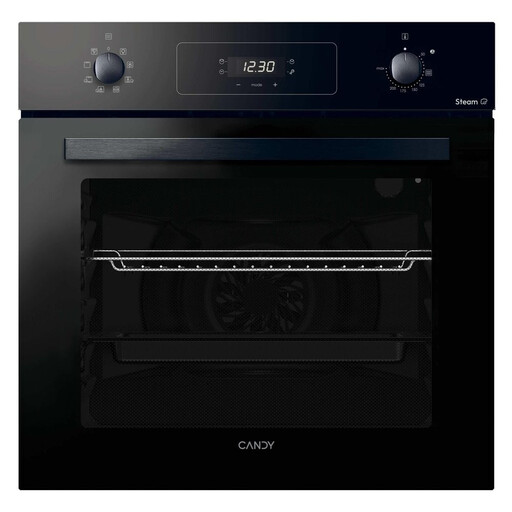
Candy FIDCN605 65 L built-in single electric oven
Its single-cavity format is relevant to a picnic batch that does not require a second dish to cook separately. The stated capacity is 65 L; consult the model’s installation instructions to establish the cabinet cut-out and correct electrical connection before buying.
View on Joybuy
Frequently asked questions
Do I need an electrician for a built-in oven?
It depends on the exact oven and your kitchen’s electrical setup. Electrical Safety First says some ovens use a standard plug while others need hardwiring into a dedicated circuit; check the installation instructions and consult a qualified electrician if you are unsure.
Is a double oven necessary for one picnic pastry batch?
A separate cavity is generally more relevant if you also need to cook another dish at a different temperature or time. For parcels alone, assess whether a single oven has enough usable tray space; a double oven also needs a taller installation space.
Will a steam function automatically make puff pastry parcels crispier?
No steam-function label establishes that result for every recipe. Bosch describes a crisp-outside effect for baked food using the added-steam function on its HRS574BS0B, but that model-specific brand claim is not proof of how your pastry parcels will turn out.
What energy information should I compare?
Compare the energy label and product information sheet for each exact oven model, rather than relying on an energy-class filter alone. Read them alongside the oven’s capacity and the functions you expect to use.


