Family-roast planners
You want a workable place for the parsnips, roast and at least one side. Shelf positions and the space your usual trays actually take up matter more than a capacity figure alone.


Choose a built-in single oven if your parsnips, roast and other dishes can fit into one cavity and cook at compatible temperatures. A double oven is worth considering when you regularly need separate temperatures or cooking schedules, provided your kitchen has room for it. Check tray fit, installation requirements and the exact cooking modes before paying for cleaning or access features you may seldom use.
You want a workable place for the parsnips, roast and at least one side. Shelf positions and the space your usual trays actually take up matter more than a capacity figure alone.
You often prepare dishes at different temperatures or with different finishing times. A second cavity may make the meal easier to schedule if your kitchen can accommodate a double oven.
You want to make cleaning after roasting easier, or you need better access to trays in a tight kitchen. Compare the cleaning system or door design on the exact model rather than assuming it appears across a brand’s range.
Plan a typical family meal before choosing the format: the number of temperatures you need determines whether a second cavity is useful, while tray fit and installation still need checking on either route.
Choose when: Your roast, parsnips and sides can share one cavity and compatible cooking temperatures.
Trade-off: You cannot independently cook another dish at a different temperature in that cavity.
Choose when: Separate dishes regularly need different temperatures or cooking schedules.
Trade-off: Two cavities require more vertical installation space; check the exact model’s electrical connection too.
| Concern | What to check | Who this matters to |
|---|---|---|
| Tray space and meal planning | Compare cabinet dimensions, shelf positions and your usual roasting tins. Check whether dishes sharing a cavity can use compatible temperatures. | I need the parsnips and roast to fit into a workable meal plan without buying a second cavity I rarely use. Around 36% of consumers put this tray-space and meal-planning need first. |
| Roasting across shelves | Check the exact model’s fan or hot-air modes and its manual’s guidance for cooking on more than one level. | When several trays cook together, I want to know how to arrange them without assuming they will brown identically. For roughly 29% of consumers, cooking across shelves is the primary concern. |
| Fit and electrical connection | Read the installation diagram and connection requirements for the exact model; check its energy information when comparing models. | Before choosing cooking features, I need an oven that fits the kitchen and can be connected appropriately. About 21% of consumers put installation and running information first. |
| Cleaning and access | Compare the exact cleaning method and door design, then read the manual for use and care instructions. | After a roast, I would rather address awkward tray access or baked-on residue than pay for an unrelated feature. Around 14% of consumers make cleaning or access their main concern. |
A cavity’s stated capacity cannot tell you whether your roasting tin, parsnip tray and preferred shelf arrangement work together. A second cavity is most useful when dishes need separate temperatures or schedules.
Measure the cabinet and your cookware, review the installation diagram and plan one representative meal before deciding between single and double ovens.
Electrical Safety First notes that some ovens use a standard plug while others require hardwiring into a dedicated circuit. An unsuitable existing connection can delay installation.
Check the exact model’s connection and electrical-load requirements before ordering. Use a qualified electrician where the appliance requires one or you are unsure about the installation.
Cleaning systems and retracting doors solve different problems; neither is needed solely to roast parsnips.
If wiping residue is the issue, compare cleaning methods. If an open oven door obstructs access to trays, check whether the exact model has a door design that addresses that problem.
Relevant when comparing a built-in single oven for a shared-temperature meal with a double oven for separate dishes.
Relevant when comparing built-in fan ovens with model-specific airflow or cleaning features.
Relevant when access to roasting trays around an open oven door is a priority.
Relevant when comparing a single oven with additional cooking or cleaning functions against a simpler roasting setup.
These choices include built-in single ovens for meals that can share a cavity and double ovens for dishes needing separate cooking spaces. Check each model’s housing requirements and whether your usual trays fit before choosing.
 No image available
Consider this single oven when the dishes in your family roast can share one cooking space and compatible temperatures.
Check your roasting tins against the cavity and shelf layout, and confirm the electrical connection required for your kitchen.
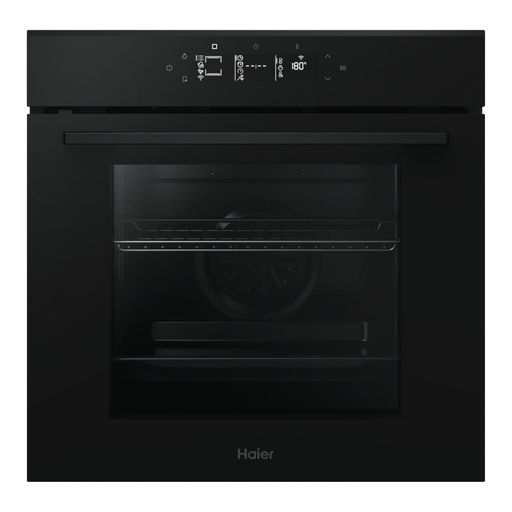 No image available
This is a single-cavity option to consider when your roast and vegetables can cook at compatible temperatures.
Confirm that your trays fit, and check the exact model’s maximum temperature, cleaning functions and electrical installation requirements before deciding.
 No image available
Its double-oven format is relevant if the parsnips and another dish regularly need separate cooking spaces.
Check that the 90 cm format suits your housing, confirm the supplied finish and arrange the electrical connection specified for the model.
 No image available
Consider this single oven for a family meal whose dishes can share a cavity and compatible cooking temperatures.
Its stated capacity is 65 L; check usable tray space, shelf guidance and electrical connection requirements for your installation.
 No image available
This double oven is relevant when a roast and its accompaniments regularly need separate cooking spaces or temperatures.
Check that your kitchen has suitable eye-level housing rather than planning an under-worktop installation, and confirm its electrical connection requirements.
A single oven can be enough if your trays fit and the dishes can share a cooking temperature. Oven-buying guidance suggests that extra cooking space becomes more useful for larger households or frequent hosts; check your own cookware and meal timings rather than deciding by household size alone.
No particular fan mode is required simply because you are roasting parsnips, but it is worth comparing cooking modes if you plan to use several shelves. Bosch describes multi-level cooking for its HHF113BR0B, while Beko makes airflow claims for AeroPerfect-equipped ovens; neither claim guarantees identical browning for every tray arrangement.
Check the exact oven’s connection requirements before deciding how it will be installed. Electrical Safety First notes that some ovens have a standard plug while others need hardwiring into a dedicated circuit; Bosch specifies electrician connection for its MBA578BS7B double oven.
Choose the cleaning method for the task you want to make easier, rather than treating cleaning features as interchangeable. AEG specifies pyrolytic cleaning on its GA5PB50FAB; check the exact oven’s manual for the cleaning process, applicable surfaces and care instructions.