Family-batch pastry bakers
If spinach pastries are the main dish, start with the usable space for your trays and the exact oven’s fan and shelf arrangement. A stated litre capacity alone will not tell you whether your trays fit.


Choose a roomy built-in single fan oven if one cavity can hold your planned pastry trays and the rest of the meal does not need a separate oven temperature. A double oven is more useful when pastries, sides or grilling regularly need separate cavities, provided the taller housing and electrical connection suit your kitchen. Treat easier cleaning as a separate choice: it does not establish how well an oven bakes or whether it will fit.
If spinach pastries are the main dish, start with the usable space for your trays and the exact oven’s fan and shelf arrangement. A stated litre capacity alone will not tell you whether your trays fit.
If pastries often bake alongside vegetables or another dish needing a different temperature, separate cavities may make the meal easier to coordinate. Which? notes that double ovens allow multiple dishes to cook at once.
If pastry spills or other cooking residue make cleaning a priority, compare the exact model’s cleaning method. Keep that decision separate from the space and cooking functions you need.
Choose it when: One main cavity can accommodate the pastry batch and the rest of the meal can follow the same cooking schedule.
Trade-off: It cannot give a side dish an independently controlled second oven temperature.
Choose it when: You regularly need pastries baking while another dish cooks or a separate grill is in use.
Trade-off: Check that the kitchen has suitable taller housing and an appropriate electrical connection before committing to this format.
| Concern | What to check | Who this matters to |
|---|---|---|
| Even baking and batch space | Measure your trays against usable shelf space; compare the exact model’s fan functions and shelf layout. | When I bake enough spinach pastries for the family, I want the trays to fit and the pastries to brown consistently. Around 42% of consumers put batch space and even baking first. |
| Separate cooking zones | Check each cavity’s cooking functions and whether the kitchen can accommodate a built-in double oven. | If sides need a different temperature while the pastries bake, I want to cook both without waiting for one cavity to become free. For around 33% of consumers, coordinating dishes in separate cavities is the primary need. |
| Cleaning and installation | Compare the cleaning method, cabinet cut-out and electrical connection requirements for the exact model. | I want manageable clean-up, but an oven also has to fit the available cabinet and supply. Cleaning and installation practicality come first for around 25% of consumers. |
Capacity does not establish whether your tray shape fits, which shelves you can use together or how evenly the exact oven heats. Which? assesses factors including heat distribution and temperature control when testing built-in ovens.
Measure your trays and housing, then compare shelf layouts and independent results for the exact model where available.
A built-in double oven needs suitable housing. The Bosch MBA533BB3B, for example, is listed as 888 mm high; Electrical Safety First also advises checking an oven’s power requirements and using a qualified electrician for fitting.
Give the fitter or electrician the exact model number, installation dimensions and electrical requirements before ordering.
Depending on the existing kitchen, fitting may also involve cabinet alterations or electrical work.
A cleaning programme can reduce some manual work, but it does not remove the need to follow the model’s instructions for safe use and maintenance.
Compare cleaning methods separately from baking functions, and follow the manufacturer’s instructions for each cleaning cycle.
The CIFY71 is a reference point for a 60 cm built-in single fan oven with a stated 66 L cavity.
The MBA533BB3B illustrates the built-in double-oven route for a meal involving pastries and another dish.
The BPX535061M single oven and GE7CP61FB double oven illustrate different cavity and cleaning choices within AEG’s range.
The B1GCC0AN0B is a 60 × 60 cm built-in single oven for shoppers considering multi-level hot-air baking.
These built-in single and double ovens relate to two ways of preparing a family pastry meal: baking a batch in one cavity, or using a second cavity for another dish or grilling. Confirm tray space, housing dimensions and electrical requirements for the model you choose.
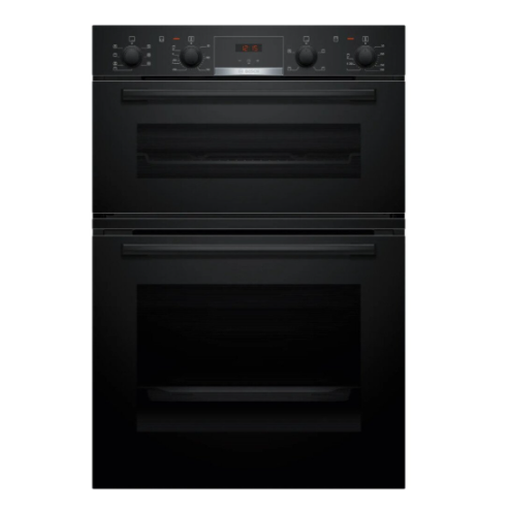 No image available
Consider this built-in double oven if pastries and another dish regularly need separate cooking cavities.
Joybuy lists a 71 L main oven with 3D Hotair. Check the installation dimensions and electrical connection with your fitter before ordering.
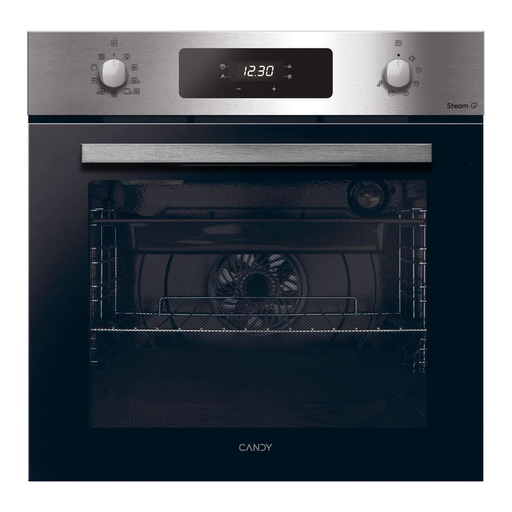 No image available
Consider this built-in single oven if one cavity suits the meal and cleaning after spills matters to you.
Its title specifies pyrolytic cleaning. Follow the model’s instructions for preparing and running a cleaning cycle, and confirm the cabinet cut-out and electrical connection before buying.
 No image available
Consider this double-oven format when baking pastries alongside a side dish or using a separate grill is part of the family meal.
The listed height information conflicts. Confirm the exact appliance dimensions, housing fit and electrical connection before ordering.
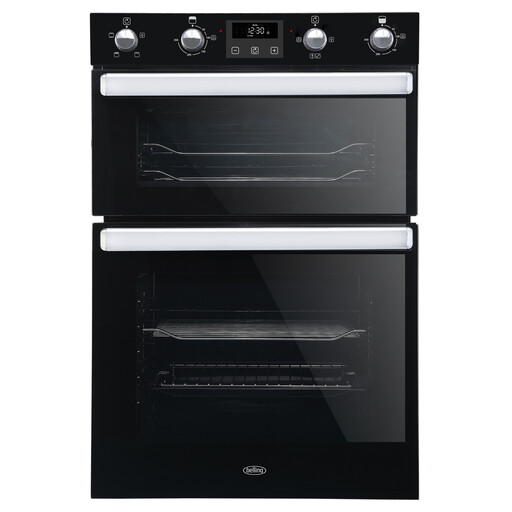 No image available
Consider this built-in double oven if you want a separate cavity while preparing pastries and the rest of the meal.
Check the cooking and cleaning functions of each cavity individually, along with the exact housing dimensions and electrical connection requirements.
 No image available
Consider this single-cavity oven if one pastry batch is the main oven task and you do not need a second temperature-controlled cavity.
Before choosing it, check your tray and cabinet dimensions and confirm the electrical connection with your installer.
A fan or hot-air function is worth considering when you want heat circulated around trays, especially across more than one shelf. It does not mean every fan oven bakes identically: compare the exact model’s shelf arrangement and independent heat-distribution results where available.
A double oven is useful when pastries and sides regularly need separate cooking zones, or when you want to grill while another dish bakes. If one cavity handles your usual meal, a large single oven may meet the need without changing to taller double-oven housing.
Check the exact model’s appliance and cabinet dimensions, clearances and electrical requirements before ordering. Electrical Safety First advises reviewing power requirements and having an oven fitted by a qualified electrician; ask an installer what the specific work in your home requires.
Choose a cleaning method according to the residue you expect and the maintenance you are willing to do. AEG says the pyrolytic programme on its BPX535061M turns residue into ash; check the exact model’s method and follow its instructions, as cleaning features vary between ovens.