Family-meal multitaskers
You plan to bake dessert while preparing a roast, vegetables or other dishes. Whether those dishes need separate temperatures matters more to your choice than a specialist baking feature.


A single oven with a fan setting can handle the treacle sponge: a recipe reproduced by Recipe Finder from BBC Good Food uses 180°C conventional or 160°C fan, without steam. Consider a double oven if you regularly need to cook dessert alongside dishes at different settings, but check that your cabinet and electrical supply can accommodate it.
You plan to bake dessert while preparing a roast, vegetables or other dishes. Whether those dishes need separate temperatures matters more to your choice than a specialist baking feature.
You want to follow a fan-oven sponge recipe and may also use optional steam assistance for other baking. Consider how often you would use that extra mode.
Your existing cabinet and electrical connection limit which models you can install. Check those requirements before comparing cooking functions.
Decide whether the rest of the meal needs a separate cooking cavity, then check that your chosen oven fits the kitchen and supports the baking method you intend to use.
| Concern | What to check | Who this matters to |
|---|---|---|
| Sponge baking | Check for the setting your recipe calls for and room for its dish. The treacle sponge recipe reproduced by Recipe Finder from BBC Good Food specifies 180°C conventional or 160°C fan and a 1.5-litre dish. | I want to follow my sponge recipe without relying on a specialist programme; around 36% of consumers put dependable sponge baking first. |
| Cooking the whole meal | Decide whether dishes need separate temperatures or can share one setting and shelf space. John Lewis & Partners identifies simultaneous cooking as a reason to consider a double oven. | When dessert and savoury dishes need the oven together, separate cooking space matters most; roughly 29% of consumers prioritise cooking the meal at the same time. |
| Installation fit | Compare the cabinet aperture with the exact model’s installation dimensions, then check its connection requirements and electrical load. Electrical Safety First advises checking power requirements and using a qualified electrician. | I am replacing a built-in oven and need it to fit the cabinet and supply before considering extra functions; about 21% of consumers make installation compatibility their primary concern. |
| Cleaning and extra functions | Compare the exact cleaning system and consider whether you would use features such as added steam. Cleaning approaches differ between the Bosch, Neff and AEG models discussed below. | If I use the oven regularly, I care about cleaning it and choosing functions I will use; around 14% of consumers place maintenance and useful features first. |
Single and double built-in ovens can need substantially different housing heights. Neff lists its U1DCC0AK3B double oven at 888 mm high.
Measure the cabinet aperture and compare it with the installation instructions for the exact model, rather than relying on the old oven’s front panel.
A double oven gives you separate cooking space, but a single oven may be enough when the sponge is your only oven dish or you can schedule dishes around it.
Plan which foods need the oven at the same time and whether their settings conflict before committing to a taller double-oven housing.
The treacle sponge recipe reproduced by Recipe Finder from BBC Good Food gives conventional and fan settings, not a steam setting. A manufacturer’s added-steam feature serves a broader baking choice, not a requirement for this pudding.
Consider steam assistance if you also expect to use it for other baking; otherwise focus on the cooking setting, capacity and installation fit you need.
The reviewed Bosch and Neff models include electrician-connection requirements. Electrical Safety First advises checking an oven’s power requirements and having it fitted by a qualified electrician.
Check the exact model’s connection instructions and ask a qualified electrician to assess an existing supply if its suitability is unclear.
The installation may involve arranging an electrician or circuit work before the oven can be used.
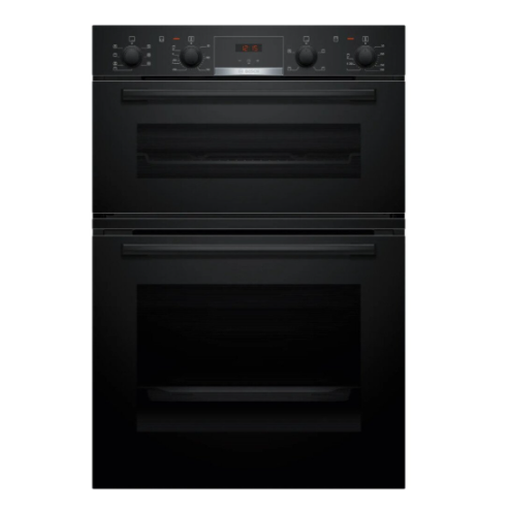
The Series 4 HQA534BB3B is a built-in single-oven example for comparing hot-air cooking with an optional added-steam function.
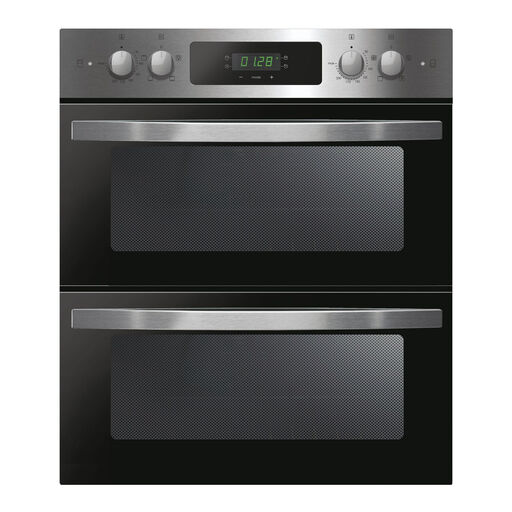
The reviewed N 50 B3ACE4AN3B single oven and N 30 U1DCC0AK3B double oven illustrate the choice between one cooking cavity and two.
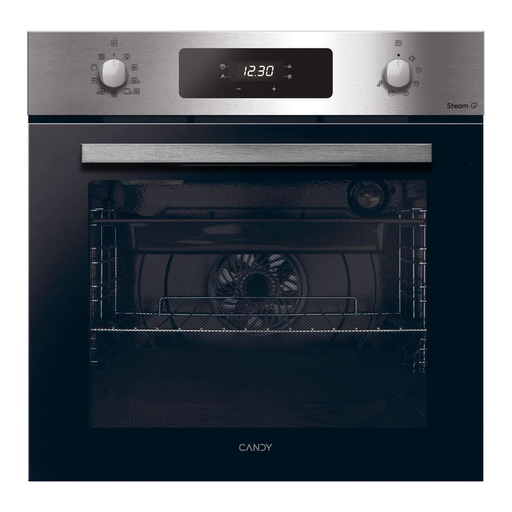
The 5000 SurroundCook GA5CB50FAB is a built-in single-oven example for buyers considering an optional steam-assisted baking mode.
These single and double built-in ovens offer different ways to plan a sponge alongside a family meal. Choose between one cavity and two according to your cooking schedule, then check the installation instructions for the exact model.
 No image available
Consider this double oven when dessert and the rest of the meal need separate cooking spaces. Confirm the cabinet aperture, ventilation and electrical circuit against its installation instructions.
 No image available
The double-oven format is worth considering if you regularly cook dessert alongside other dishes. Check the cabinet fit and electrical requirements for this model before choosing it.
 No image available
A single oven suits a meal plan in which the sponge can cook on its own or dishes can share one setting. It does not provide separate temperature zones; check the cabinet and electrical connection before ordering.
 No image available
Consider this built-under double oven if separate cooking spaces suit your family-meal plans. Confirm the cabinet dimensions, electrical requirements and cooking modes for each cavity against the exact model instructions.
 No image available
This single oven is a choice when you can schedule dishes around one cooking cavity and want pyrolytic cleaning. Check the required cabinet cut-out and electrical connection for this model.
No. A treacle sponge recipe reproduced by Recipe Finder from BBC Good Food uses 180°C conventional or 160°C fan in a 1.5-litre dish, without a steam setting. Consider added steam for other baking you plan to do, rather than treating it as necessary for this pudding.
One cavity can be enough if the sponge is the only oven dish or you can schedule other dishes around it. If dessert and savoury food regularly need different settings at the same time, a double oven offers separate cavities; check that your kitchen can accommodate its housing.
Measure the cabinet aperture and compare it with the installation dimensions for the exact oven you want. Front width alone is not enough: Neff lists its U1DCC0AK3B double oven at 888 mm high, so check the available height as well as the connection requirements.
Check the appliance’s connection instructions and use a qualified electrician where the model requires one or the existing supply needs assessment. Electrical Safety First advises qualified installation and power-requirement checks. GOV.UK’s Approved Document P concerns electrical safety in dwellings in England; check the applicable requirements locally if your kitchen is in Scotland, Wales or Northern Ireland.
Choose by the cleaning system on the exact model, rather than assuming the systems work alike. The reviewed Bosch HQA534BB3B lists a rear-wall CleanCoating, while the reviewed AEG GA5CB50FAB lists catalytic partial and Aqua Clean features. Follow the appliance’s cleaning instructions and let it cool before cleaning.