Family-meal batch cooks
You need room for a large shepherd's pie and may want to cook vegetables or another dish alongside it. Compare the size of your baking dish with the usable cavity and shelf space, not just the stated capacity.


A spacious single fan oven is a sensible choice when one shepherd's pie is the main dish and you can cook sides at the same temperature or in sequence. A double oven is more useful when you regularly need separate temperatures at the same time, but its cavities, cabinet fit and electrical connection all need checking before you buy.
You need room for a large shepherd's pie and may want to cook vegetables or another dish alongside it. Compare the size of your baking dish with the usable cavity and shelf space, not just the stated capacity.
You often cook sides, dessert or another dish at a different temperature. A second cavity may be worth considering if rearranging one oven's cooking schedule is a regular problem.
Your choice must suit the existing cabinet and electrical provision. Check the exact installation drawing and connection requirements before treating a familiar size label as a fit guarantee.
Decide whether your meal needs one temperature zone or two; then check cooking performance, installation requirements and cleaning for the exact oven.
Choose it when: One large pie is the main oven dish and sides can share its temperature or be cooked in sequence.
Trade-off: A single cavity cannot provide a separate temperature for another dish at the same time.
Choose it when: You regularly need to cook the pie and another dish at different temperatures simultaneously.
Trade-off: Check both cavity sizes and the model's housing and electrical requirements; a second cavity does not make either cavity large enough for your baking dish.
| Concern | What to check | Who this matters to |
|---|---|---|
| Capacity and cooking zones | Compare your pie dish with the usable cavity and shelves. For a double oven, check each cavity separately. | If the pie fills much of the oven, I need to know where the sides will go. Around 33% of consumers put capacity or separate cooking zones first. |
| Even cooking | Check the exact fan modes and independent assessments of heat distribution and control accuracy. | When I want an evenly browned topping while using another shelf, reliable cooking matters more to me than a long programme list. Around 27% of consumers prioritise even cooking. |
| Fit and electrical connection | Compare the installation drawing with your cabinet; check rated power and connection instructions against the existing supply. | If I am replacing an oven, I need the new model to fit and connect safely before its cooking features matter. For around 20% of consumers, fit and electrical compatibility come first. |
| Cleaning | Identify which surfaces the cleaning system covers and what the manual requires for routine care. | After frequent family meals, I want to understand how I will deal with spills and grease. Around 20% of consumers chiefly want to limit cleaning effort. |
A built-in oven does not include a hob. It will not replace an all-in-one cooker if you also need to replace the hob.
Decide whether the replacement needs a hob before narrowing your search to built-in or built-under ovens.
Appliance dimensions and required housing dimensions are different checks, and they vary by model.
Measure the opening and available depth, then compare them with the exact installation drawing, including ventilation clearances.
A cabinet that does not suit the oven may need alteration before installation can proceed.
Electrical Safety First advises checking an oven's power requirements to avoid overloading wiring. Connection requirements can differ between models.
Check the rated load and whether the oven needs a fixed connection; ask a qualified electrician to assess the existing supply where required.
An unsuitable connection can delay installation while the electrical provision is addressed.
Extra programmes do not establish how evenly a particular oven heats or how accurately its controls hold a temperature.
For shortlisted models, look at independent assessments of heat distribution, temperature accuracy and cleaning alongside capacity and fit. Which? describes testing oven controls at different settings.
The BBXIF243 illustrates a built-in single fan oven for a family meal.
The DUE731110M illustrates a built-under double oven for dishes needing separate cavities.
The MBA533BB3B illustrates a built-in double oven with a documented multi-level hot-air feature.
Its single-oven range offers differing combinations of cooking and cleaning features.
These built-in single and double ovens offer different ways to plan a family shepherd's pie meal. Check each model's cavity, cooking modes and installation instructions against the dishes and kitchen you have; a single oven's size alone does not confirm fan cooking.
 No image available
Consider this double oven if the pie and another dish regularly need separate cooking spaces. Joybuy describes a 71L main cavity, while Bosch describes 3D Hotair for multi-level cooking on this model. Check both cavity sizes, the required housing and the electrician connection before ordering.
 No image available
A single-cavity option to consider when sides can cook with the pie or in sequence. Check the exact cooking modes if you want multi-shelf fan cooking, and compare the installation drawing and electrical connection instructions with your kitchen.
 No image available
Two cavities make this a candidate when the pie and a side need different temperatures. The product title identifies a 90cm built-in model; check the housing opening, ventilation and electrical requirements in its installation instructions, and confirm the supplied finish.
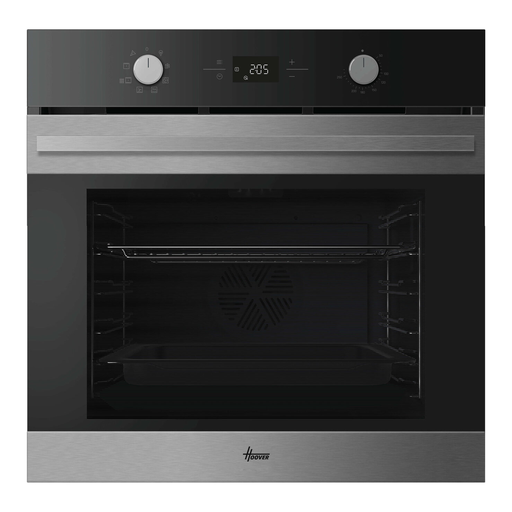 No image available
The 78L single cavity is worth comparing with your pie dish if one oven space suits your meal. Confirm the cooking modes before choosing it specifically for fan cooking, and check the cabinet cut-out, ventilation and electrical connection instructions.
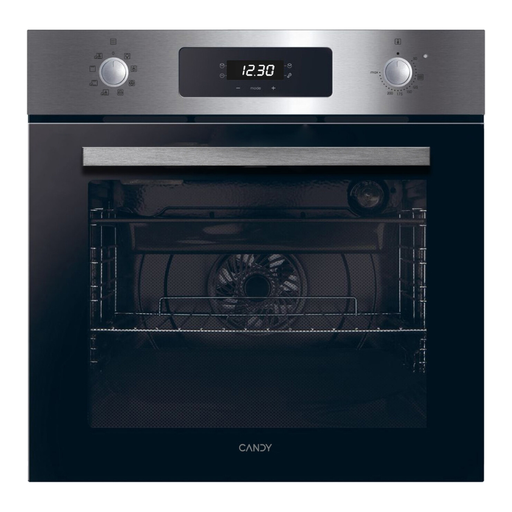 No image available
This 70L single oven is a candidate when you can plan sides around the main pie. If fan cooking is important, confirm the exact modes; also check the cut-out, ventilation and required electrical connection before buying.
A single oven can be enough if the pie fits comfortably and sides can cook at the same temperature or in sequence. If you regularly need another temperature at the same time, compare double ovens and check the usable size of each cavity.
No, a fan oven is not the only way to cook shepherd's pie. A documented fan mode is worth considering if you plan to use several shelves; check the exact model's modes and independent heat-distribution assessments where available.
Check the exact model's cabinet and ventilation requirements, rated power and connection instructions against your kitchen. Electrical Safety First advises checking power requirements to avoid overloading wiring; use a qualified electrician where the connection requires one.
Do not assume it will. Cleaning systems differ by model and may cover particular surfaces or require further wiping; check the manual for the surfaces covered and the routine care needed after spills.