
24/7 Customer Support

Free returns

Same-day & Next-day Delivery

Quality Guaranteed

Unlock Your Welcome Offers: FREE Delivery | Up to 80% OFF | Free 30-day JoyPlus trial
Download the APP
Whether you're kitting out a student flat, preparing a cosy bed for your child or refreshing a guest room, choosing the right single duvet can feel surprisingly complex. With terms like 'tog ratings', 'hollowfibre' and 'microfibre' to navigate, it's easy to feel a bit lost. The goal is simple: a comfortable, restful night's sleep. This guide is designed to cut through the clutter, offering straightforward advice to help you find a practical and comfortable single duvet that suits your needs and budget.
We'll walk through the key features to consider, from warmth levels to materials and then share some of our top recommendations for 2026.
Before you start browsing, understanding a few key terms will make your decision much easier. Here are the three most important factors to consider when selecting your bedding.
The 'tog' rating simply measures a duvet's thermal insulation. The higher the tog, the warmer the duvet will be. In the UK, a few standard ratings cover all seasons:
Duvet fillings generally fall into two categories: natural (like feather and down) and synthetic (like hollowfibre or microfibre). Synthetic options have become increasingly popular for several reasons:
The standard UK size for a single duvet is 135x200cm. This is designed to fit a standard single mattress (90x190cm) with enough overhang for comfort. When you've chosen your duvet, you'll need a single duvet cover set to protect it and add a touch of style. Look for sets with practical features like zip closures and internal corner ties, which prevent the duvet from bunching up inside the cover.
Based on materials, features and overall value, here are a few standout options to consider.
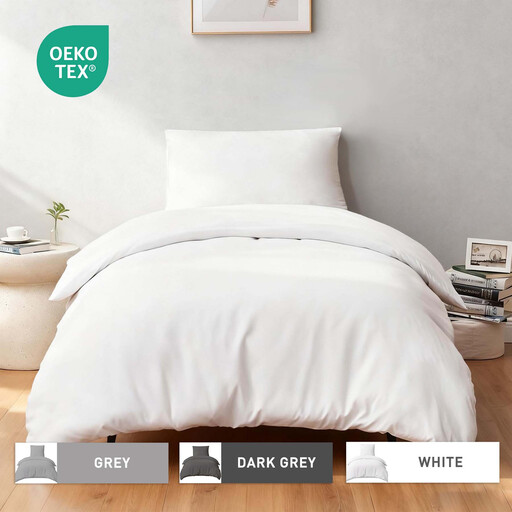
Why It Stands Out: This isn't a duvet, but an essential companion to one. This single bedding set includes a duvet cover and a matching pillowcase, both made from a soft, double-brushed microfibre fabric. Its key feature is the thoughtful design: a hidden zipper closure makes inserting the duvet simple and four interior corner ties ensure it stays securely in place all night.
View the LeBonsoir Duvet Cover Set
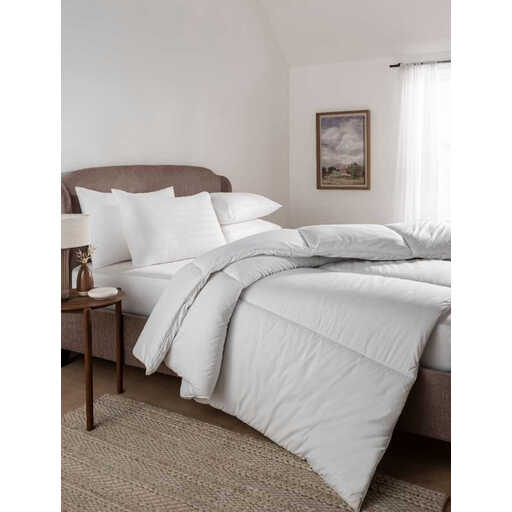
Why It Stands Out: This duvet strikes a balance between a lightweight summer quilt and a heavier winter one. The 7.5 tog rating makes it a versatile choice, particularly for warmer sleepers or modern, well-insulated homes. The filling is a premium hollowfibre designed to feel as soft and light as down, but without the potential allergens.
Explore the NightComfort 7.5 Tog Duvet
Why It Stands Out: As a classic 10.5 tog single duvet, this is the go-to option for year-round comfort in the UK climate. It offers a cosy-but-not-stifling level of warmth that works for most seasons. It shares the same high-quality construction as its 7.5 tog counterpart, including the soft-touch microfibre cover and the hypoallergenic hollowfibre filling.
Discover the NightComfort 10.5 Tog Duvet
While these recommendations cover some of the most popular needs, everyone's sleep preferences are different. You might be looking for a different tog rating, a specific pattern or a different material.
If you're searching for more choice, browse our full collection of soft duvet options to find the perfect match for your bedroom.
1. What is the standard single duvet size in the UK? The standard size for a single duvet in the UK is 135cm x 200cm. This is designed to fit a standard single mattress (90cm x 190cm) with a comfortable overhang. Always check the dimensions on your chosen single duvet cover set to ensure a perfect fit.
2. What is the difference between a hypoallergenic and an anti-allergy duvet? While the terms are often used interchangeably, there can be a subtle difference. A hypoallergenic single duvet is made from materials that are inherently less likely to trigger allergies, such as microfibre. An anti allergy duvet is often actively treated to inhibit the growth of dust mites and bacteria, offering an additional layer of protection. The NightComfort duvets highlighted above are treated for both anti-allergy and anti-mite properties.
3. How often should I wash my duvet? It is generally recommended to wash your duvet two to four times a year. However, using a duvet cover, which should be washed weekly with your other bedding, is the best way to keep the duvet itself fresh and clean for longer. Always follow the care instructions on the label; most microfibre duvets are machine washable, which greatly simplifies maintenance.