
24/7 Customer Support

Free returns

Same-day & Next-day Delivery

Quality Guaranteed

Unlock Your Welcome Offers: FREE Delivery | Up to 80% OFF | Free 30-day JoyPlus trial
Download the APP
Buying a single malt Scotch whisky 70cl bottle can be surprisingly difficult. Labels often highlight a famous region, a long age statement or elaborate cask terminology, while the details that affect your drinking experience may be less prominent.
A sensible purchase starts with three questions: what flavour profile do you enjoy, how much alcohol are you buying and does the product information clearly match your expectations? This guide explains the main pitfalls and highlights suitable options for different types of whisky drinker.
A 10-year-old whisky and a 12-year-old whisky can have very different profiles, but age alone does not determine whether you will enjoy either bottle. Maturation time affects texture, oak influence and flavour development; it does not guarantee a particular level of sweetness, smoke or complexity.
If you prefer lighter, fruit-led whisky, a younger expression may be more suitable. If you enjoy oak, dried fruit and a fuller texture, an older bottle may be worth considering. Always compare the tasting notes and cask information rather than choosing by age alone.
Regional labels are useful starting points, but they are not flavour rules. Islay single malt whisky is often associated with peat, smoke and coastal notes, yet not every Islay expression has the same intensity. Speyside single malt whisky commonly features fruit, honey, vanilla or sherry influences, but individual distilleries and casks create significant variation.
Similarly, Highland single malt whisky covers a broad geographical area and can range from light and floral to rich and gently smoky. Region helps you narrow the search, but the cask type, maturation and stated tasting profile are more useful for making the final decision.
Most 70cl single malts contain around 28 UK units at 40% ABV. A higher-strength bottle contains more alcohol: for example, the Berry Bros. & Rudd Classic Speyside 16yo is listed at 48.2% ABV and 33.7 units per bottle.
Check the ABV before ordering, particularly if the bottle is intended as a gift. A 70cl bottle usually provides approximately 28 x 25ml measures at 40% ABV. Drink responsibly and remember that UK Chief Medical Officers advise adults not to regularly exceed 14 units per week.
For a whisky to be labelled single malt Scotch whisky, it must be made at one distillery using malted barley and meet Scotch whisky production and maturation requirements. Scotch whisky must be matured in Scotland for at least three years. A bottle described as “blended Scotch” is a different category, combining malt and grain whiskies.
Cask details provide a practical indication of flavour:
For example, Tamnavulin Double Cask is described as using American oak followed by selected sherry casks, while Old Pulteney 12 Years Old is listed as matured in ex-bourbon casks.
Confirm that the listing states 70cl or 700ml, the alcohol percentage and the storage guidance. Whisky should generally be stored upright in a cool, dry place away from direct sunlight. After opening, keep the closure tight. Refrigeration is not normally required.
All products containing alcohol on this page are intended for adults aged 18 or over in the UK. Alcohol should be avoided during pregnancy and it is never suitable to drink and drive.
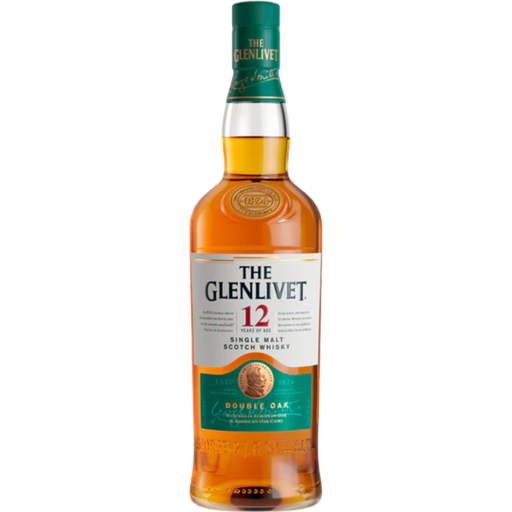
Why This Fits Their Persona: A 40% ABV Speyside bottle with a 12-year age statement offers a straightforward starting point for adults exploring Scottish single malt whisky at home.
The listing clearly states the region, 70cl quantity, 40% ABV and storage guidance, avoiding vague descriptions that make comparison difficult.
Speyside origin; 12-year age statement; standard 40% ABV and 28 units per bottle.
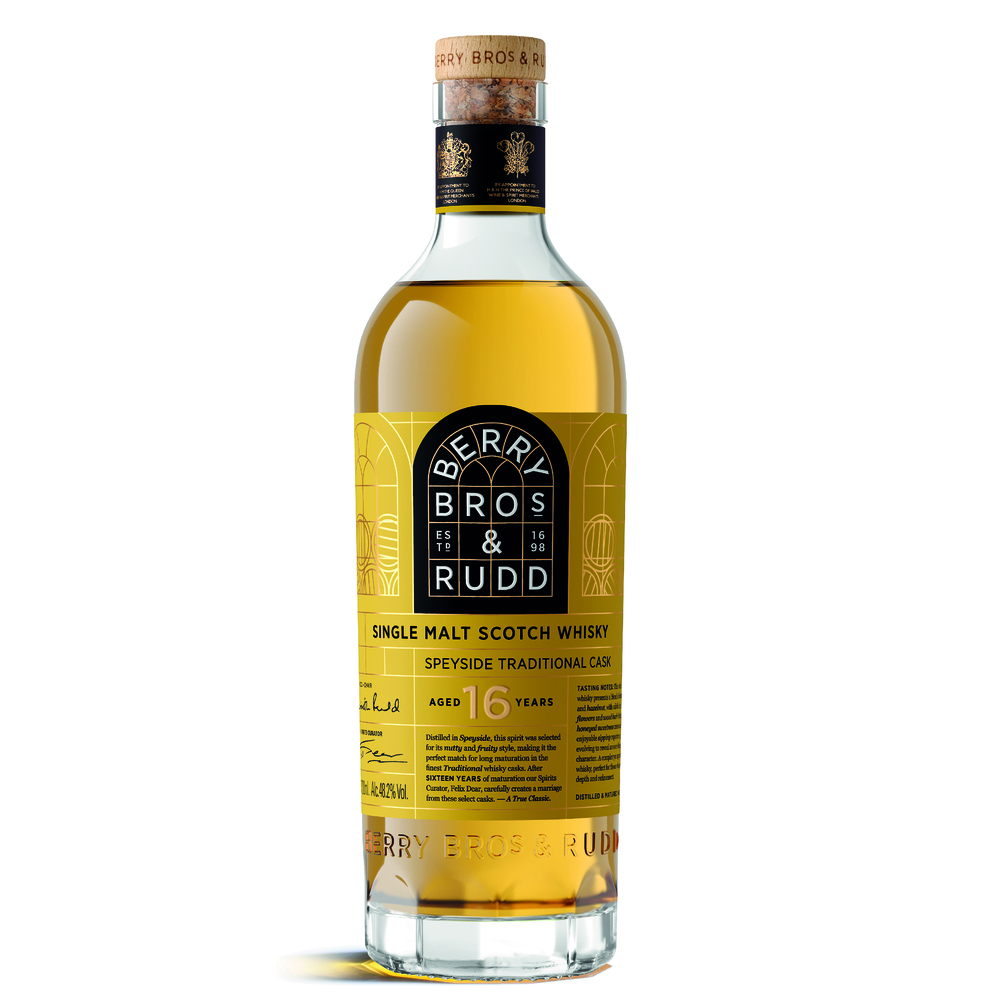
Why This Fits Their Persona: Suitable for drinkers seeking a higher-strength, mature Speyside expression for neat sipping or adding a small amount of water.
Its 16-year age statement and 48.2% ABV are stated plainly, making the higher alcohol content visible rather than easy to overlook.
16-year maturation; 48.2% ABV; 33.7 UK units per 70cl bottle.

Why This Fits Their Persona: Intended for adults who specifically seek a peated Scotch whisky with smoke, coastal salinity and a distinctive Islay profile.
The product name identifies both the Islay origin and 10-year maturation, so shoppers are less likely to mistake a smoky style for a gentle, unpeated malt.
Islay region; 10-year age statement; 40% ABV and 28 UK units per bottle.
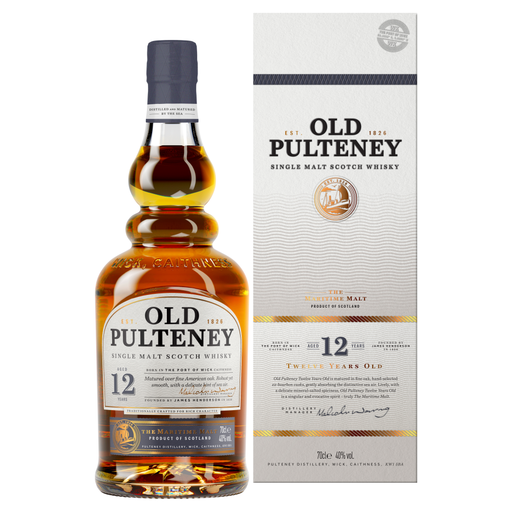
Why This Fits Their Persona: A 12-year coastal single malt with ex-bourbon maturation offers a clear gift profile for someone who enjoys citrus, vanilla, honey and subtle briny notes.
The listing provides the region, cask type, ABV and unit information, helping gift buyers choose by flavour rather than relying only on packaging.
12-year maturation; ex-bourbon cask information; 40% ABV and 28 UK units.
We have compiled a complete, real-time list of products that fully satisfy these strict selection criteria and UK safety regulations.
Yes. 70cl is the common retail bottle size for Scotch whisky in the UK. It is large enough for home serving or gifting, while a 25ml measure provides a simple way to estimate consumption and alcohol units.
No. Smoke comes mainly from the use of peated malt and the production style, not from the “single malt” classification itself. Islay expressions are often associated with peat, while many Speyside and Highland bottles focus on fruit, honey, vanilla or oak. Check the tasting description before ordering.
Keep it upright, tightly closed and away from heat and direct sunlight. Unlike wine, whisky does not generally need to be refrigerated. If only a small amount remains, increased air in the bottle can gradually affect the aroma, so drinking it within a reasonable period helps preserve its character.