
24/7 Customer Support

Free returns

Same-day & Next-day Delivery

Quality Guaranteed

Unlock Your Welcome Offers: FREE Delivery | Up to 80% OFF | Free 30-day JoyPlus trial
Download the APP
Buying single malt Scotch whisky can look straightforward until you compare regions, maturation, alcohol strength, bottle size and multipack pricing. Marketing language often focuses on heritage or “smoothness”, while the details that affect your enjoyment may be less prominent.
Whether you are choosing a whisky gift, building a collection or exploring Scotch whisky for the first time, three common traps are worth avoiding.
An aged single malt whisky may offer developed oak, fruit or spice notes, but age alone does not determine whether you will enjoy the bottle. A younger whisky can be lively and approachable, while a mature expression may be richer, drier or more oak-forward.
Check the stated age, cask type and flavour description together. If there is no age statement, focus on the production details and tasting profile rather than assuming the bottle is older.
Regions provide useful starting points, but there is variation between distilleries. A Speyside single malt whisky is often associated with fruit, honey and gentle sweetness, while an Islay single malt whisky may be peated or smoky. However, not every Islay bottle has the same intensity, and Highland single malt whisky can range from light and floral to robust and coastal.
Use the region as a guide, then verify the cask and tasting notes.
A decorative bottle or gift box can increase appeal without adding whisky. For everyday value, compare the net quantity, alcohol percentage and price per bottle. A standard 70cl single malt whisky contains 700ml, while a pack of 2 whisky bottles may be useful for gifting or sharing but is not automatically better value.
Also check whether the listing clearly states the number of bottles included. “Pack of 2” should mean two complete bottles, not two miniature samples.
The cask has a major influence on the finished profile:
Cask terms should be read alongside the maturation statement. “Finished in” usually indicates a later period in a secondary cask, rather than full maturation in that cask.
Most bottles in this selection are between 40% and 46.3% ABV. A 70cl bottle at 40% ABV contains approximately 28 UK alcohol units; higher-strength bottles contain more. Talisker Skye, for example, is listed at 45.8% ABV, while Bunnahabhain is listed at 46.3% ABV.
In the UK, products are restricted to adults aged 18 and over. Store whisky upright in a cool, dry place away from direct sunlight. Once opened, keep the closure tight. Whisky does not generally spoil like perishable food, but prolonged exposure to air can gradually alter its aroma and flavour.
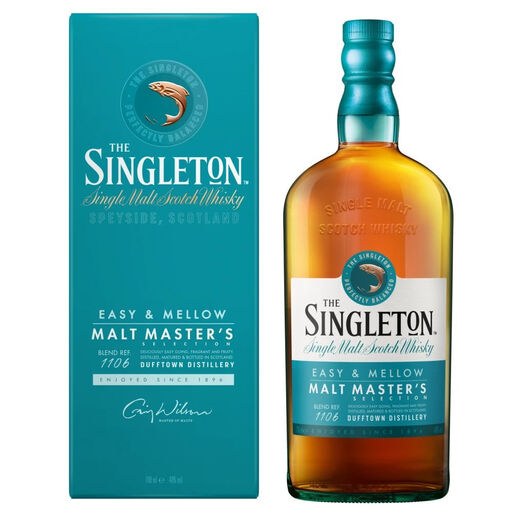
Why This Fits Their Persona: Its 40% ABV and Speyside profile of honey, vanilla, pear and gentle wood notes provide an approachable starting point for relaxed sipping at home.
The listing identifies the 70cl quantity, 40% ABV and malted barley ingredients, helping shoppers compare the bottle on practical specifications rather than packaging alone.
Speyside origin; familiar fruit and vanilla notes; available as an individual bottle or pack of 2.
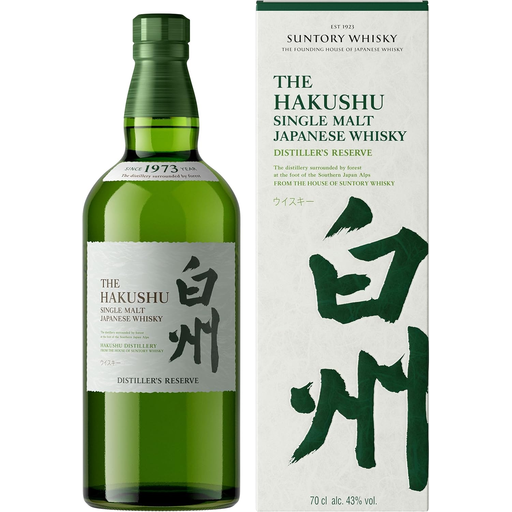
Why This Fits Their Persona: A considered choice for collectors or gift buyers seeking Japanese single malt whisky with a lighter, herbal and fruit-led character.
It is clearly identified as Japanese whisky rather than Scotch, with country of origin, 70cl capacity and 43% ABV stated for straightforward comparison.
Green fruit and herbal tasting notes; 43% ABV; suitable for neat serves, water or a highball.
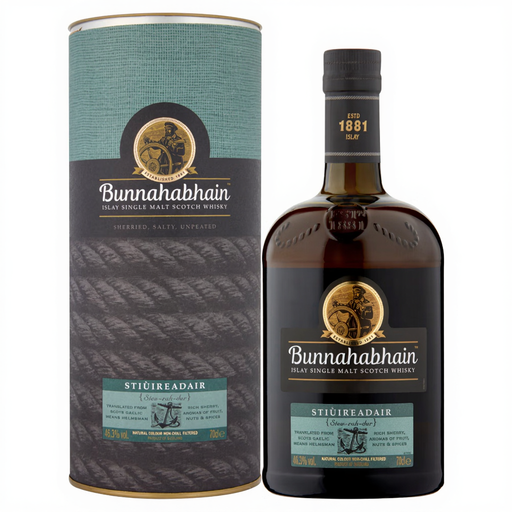
Why This Fits Their Persona: The listed 46.3% ABV suits drinkers who want a fuller-strength Islay bottle for slow sipping and comparing with other peated whisky styles.
The ABV, net quantity, ingredients, origin and storage guidance are provided, so the stronger style is not hidden behind vague smoky whisky descriptions.
46.3% ABV; Islay origin; 70cl bottle; useful for drinkers comparing higher-strength expressions.
We have compiled a complete, real-time list of products that fully satisfy these strict selection criteria and UK safety regulations.
For a whisky gift, consider the recipient’s preferred flavour intensity rather than relying only on price or presentation. A honeyed Dalwhinnie Winter’s Gold may suit someone who prefers softer, sweeter notes, while a Laphroaig 10 Year Old is more appropriate for a confirmed fan of peated whisky.
A pack of 2 whisky bottles can work well for couples, hosts or collectors who want one bottle for keeping and one for sharing. Before ordering, confirm that both bottles are the same expression if consistency matters and check the total alcohol units.
No. Smoke comes mainly from the use of peat during malting and from the distillery’s style. Many Speyside and Lowland expressions are fruit-led, honeyed or vanilla-forward. Islay single malt whisky is more commonly associated with peat and coastal smoke, but intensity differs between bottles.
Start with a small neat pour at room temperature. If the alcohol feels prominent, add a few drops of water and allow the aroma to open. Ice can reduce intensity and chill the drink, while a highball or cocktail may suit lighter styles. Follow any serving guidance on the product label.
No fixed drinking deadline applies to an opened bottle, but air exposure can gradually affect flavour. Keep it upright, tightly sealed and away from heat and sunlight. Bottles with only a small amount remaining may change more quickly because there is more air in the bottle. Always drink responsibly and never drink before driving.